North America
CanadaCanada, a land of breathtaking landscapes and rich cultural diversity, invites you to experience its vibrant cities and the serene beauty of its national parks. From the cosmopolitan charm of Toronto and the historic streets of Quebec City to the stunning vistas of Banff and Jasper, Canada offers a tapestry of experiences that celebrate both nature and urban life. Discover the warm hospitality of its people, indulge in delicious culinary delights, and immerse yourself in the lively arts scene that pulses through each province. Whether you seek adventure in the great outdoors or wish to explore enticing festivals and local traditions, Canada beckons with open arms, promising unforgettable moments for every traveler in search of inspiration and adventure.



Comprehensive Travel Guide to Canada
General Information
- Capital City: Ottawa
- Largest City: Toronto
- Population: 38,794,813
- Currency: Canadian Dollar (CAD)
- Time Zones: Ranges from UTC-3:30 (Newfoundland Time) to UTC-8 (Pacific Time)
- Official Languages: English and French
- Dialing Code: +1
- Driving Side: Right
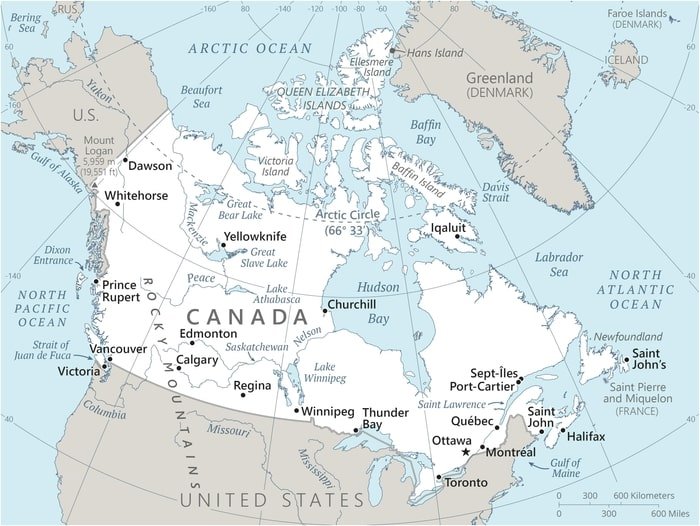
Canada, the second-largest country in the world, offers a captivating blend of cosmopolitan cities, stunning natural landscapes, and diverse cultural experiences. From the majestic Rocky Mountains to vibrant urban centers like Vancouver and Montreal, Canada has something for every traveler.
Language and Communication
- Primary Languages: English and French
- English is widely spoken across the country.
- French is predominantly spoken in Quebec and parts of New Brunswick.
- Helpful Phrases:
- Hello: Hello (English) / Bonjour (French)
- Thank you: Thank you (English) / Merci (French)
- Where is…?: Where is…? (English) / Où est…? (French)
- Tip: Knowing basic French phrases can enhance your experience in French-speaking regions.
Emergency Numbers
- Emergency Services: 911 (Police, Fire, Ambulance)
Currency and Money
- Currency: Canadian Dollar (CAD)
- ATMs: Widely available in urban and rural areas.
- Credit Cards: Accepted almost everywhere, including taxis and small businesses.
- Tipping: 15–20% is customary in restaurants, bars, and for taxi services.
Electricity and Plugs
- Voltage: 120 V
- Frequency: 60 Hz
- Plug Types: A and B
- Adapter Needed: Yes, if your devices use a different plug type or voltage.
Safety and Health
Safety
- General Safety: Canada is one of the safest countries for travelers.
- Petty Crime: Rare but possible in busy tourist areas. Stay vigilant with personal belongings.
- Wildlife Precautions: In rural and national park areas, be cautious of wildlife like bears and moose.
Health
- Healthcare: High-quality healthcare, but non-residents may need to pay for services. Travel insurance is recommended.
- Vaccinations: Routine vaccinations are sufficient.
- Water: Tap water is safe to drink.
Transportation
Public Transport
- Urban Areas: Efficient public transit systems in cities like Toronto (TTC), Vancouver (TransLink), and Montreal (STM).
- Intercity Travel:
- Trains: VIA Rail connects major cities and regions.
- Buses: Greyhound and regional bus services offer affordable options.
- Taxis and Ride-Sharing: Widely available in cities; Uber and Lyft operate in most urban centers.
Driving
- Car Rentals: Available at airports and in major cities.
- Road Conditions: Excellent infrastructure, but winter driving can be hazardous due to snow and ice.
Activities and Attractions
Natural Attractions
- Niagara Falls (Ontario): One of the world's most famous waterfalls.
- Banff National Park (Alberta): Stunning mountain scenery and outdoor activities.
- Cabot Trail (Nova Scotia): A scenic drive with breathtaking coastal views.
- Northern Lights: Visible in northern regions like Yukon and Northwest Territories.
Urban Highlights
- Toronto CN Tower: An iconic landmark with a revolving restaurant.
- Old Montreal: A historic district with cobblestone streets and French charm.
- Vancouver’s Stanley Park: A mix of urban parkland and waterfront views.
- Quebec City: A UNESCO World Heritage Site with a European feel.
Adventure and Activities
- Skiing and Snowboarding: Whistler Blackcomb, Mont-Tremblant, and Banff.
- Hiking: The Rockies, Cape Breton Highlands, and Gros Morne National Park.
- Kayaking and Canoeing: Algonquin Park and Thousand Islands.
Food and Cuisine
Must-Try Dishes
- Poutine: Fries topped with cheese curds and gravy.
- Maple Syrup: Enjoyed on pancakes or as candy.
- Butter Tarts: A quintessential Canadian dessert.
- Nanaimo Bars: A layered dessert bar.
- Fresh Seafood: Lobster in Nova Scotia, salmon in British Columbia.
Dining Tips
- Reservations are recommended for popular restaurants.
- Tipping is expected in most dining establishments.
Shopping and Souvenirs
- Maple Syrup Products: Syrup, candies, and cookies.
- Indigenous Crafts: Jewelry, carvings, and textiles.
- Ice Wine: A specialty from Ontario and British Columbia.
- Outdoor Gear: High-quality items from brands like Canada Goose and Arc’teryx.
Festivals and Events
- Calgary Stampede: A world-famous rodeo held every July.
- Montreal International Jazz Festival: The largest jazz festival in the world.
- Winterlude (Ottawa): A celebration of winter with ice sculptures and skating.
- Toronto International Film Festival (TIFF): A premier event in global cinema.
Suggested Itineraries
3-Day Itinerary
- Day 1: Explore Toronto’s CN Tower, Royal Ontario Museum, and waterfront.
- Day 2: Visit Niagara Falls and enjoy a wine tour in Niagara-on-the-Lake.
- Day 3: Take a day trip to Montreal or Ottawa.
7-Day Itinerary
- Day 1-2: Toronto and Niagara Falls.
- Day 3-4: Montreal and Quebec City for cultural exploration.
- Day 5-6: Banff and Lake Louise for outdoor adventures.
- Day 7: Vancouver for city sights and nearby nature.
Best Time to Visit
- Spring (April–June): Mild weather and fewer crowds.
- Summer (July–August): Best for outdoor activities and festivals.
- Fall (September–October): Stunning autumn foliage.
- Winter (November–March): Perfect for skiing, snowboarding, and winter festivals.
Connectivity
- Wi-Fi: Widely available in hotels, cafes, and public areas.
- SIM Cards: Easily purchased from providers like Rogers, Telus, and Bell.
- Apps to Download:
- Transit App: For navigating public transport in cities.
- WeatherCAN: Official Canadian weather updates.
Conclusion
Canada’s vast landscapes, welcoming people, and vibrant cities make it a top destination for travelers. Whether you’re hiking in the Rockies, exploring urban centers, or experiencing the Northern Lights, Canada promises an unforgettable journey.