Africa
CameroonNestled in the heart of Central Africa, Cameroon beckons with its diverse landscapes, from the lush rainforests of the south to the arid savannahs in the north, offering an extraordinary tapestry of culture and adventure that promises to captivate every traveler. This remarkable country is rich with vibrant traditions, mouthwatering cuisine, and a warm, welcoming spirit that resonates in every corner, whether you’re exploring the bustling markets of Douala or trekking the scenic trails of Mount Cameroon. With its unique blend of ethnic groups, languages, and breathtaking natural wonders, Cameroon invites you to delve into its enchanting rhythms, discover its hidden gems, and create unforgettable memories that celebrate the essence of Africa.



Comprehensive Travel Guide to Cameroon
General Information
- Capital City: Yaoundé
- Largest City: Douala
- Population: 30,966,105
- Currency: Central African CFA Franc (XAF)
- Time Zone: West Africa Time (WAT), UTC+1
- Official Languages: French and English
- Dialing Code: +237
- Driving Side: Right
Cameroon, often referred to as "Africa in Miniature," offers a blend of diverse cultures, landscapes, and wildlife. From tropical rainforests and savannas to volcanic mountains and pristine beaches, the country provides a rich array of experiences for travelers.
Language and Communication
- Primary Languages: French and English (regional balance may vary).
- Regional Dialects: Over 200 local languages including Fulfulde, Ewondo, and Duala.
- Helpful Phrases:
- Hello: Bonjour (French) / Hello (English)
- Thank you: Merci (French) / Thank you (English)
- How much? Combien ça coûte? (French) / How much? (English)
- Where is…? Où est…? (French) / Where is…? (English)
- Tip: French is more commonly spoken in most regions than English.
Emergency Numbers
- Police: 117
- Fire: 118
- Ambulance: 119
Currency and Money
- Currency: Central African CFA Franc (XAF)
- ATMs: Available in major cities like Douala and Yaoundé.
- Credit Cards: Accepted in hotels and upscale establishments but not commonly used elsewhere.
- Tipping: Generally appreciated but not mandatory.
Electricity and Plugs
- Voltage: 220 V
- Frequency: 50 Hz
- Plug Types: C and E
- Adapter Needed: Yes, if your devices use a different plug type.
Safety and Health
Safety
- General Safety: Cameroon is generally safe for travelers, but certain regions (particularly the Far North and parts of the English-speaking regions) may experience unrest. Always check travel advisories.
- Petty Crime: Common in crowded areas. Be vigilant with personal belongings.
- Scams: Avoid unsolicited offers of help or unregistered guides.
Health
- Healthcare: Medical facilities in urban areas are adequate, but rural areas may lack resources.
- Vaccinations: Yellow fever vaccination is required. Hepatitis A, typhoid, and malaria prophylaxis are recommended.
- Water: Stick to bottled or boiled water. Avoid ice cubes in drinks.
Transportation
Public Transport
- Taxis: Widely used in cities, but negotiate fares beforehand.
- Buses: Connect major towns but can be crowded.
- Motorbike Taxis: Popular in urban and rural areas; ensure safety measures.
Driving
- Car Rentals: Available in major cities, but road conditions can vary.
- Road Conditions: Highways are decent, but rural roads may be unpaved.
Activities and Attractions
Natural Attractions
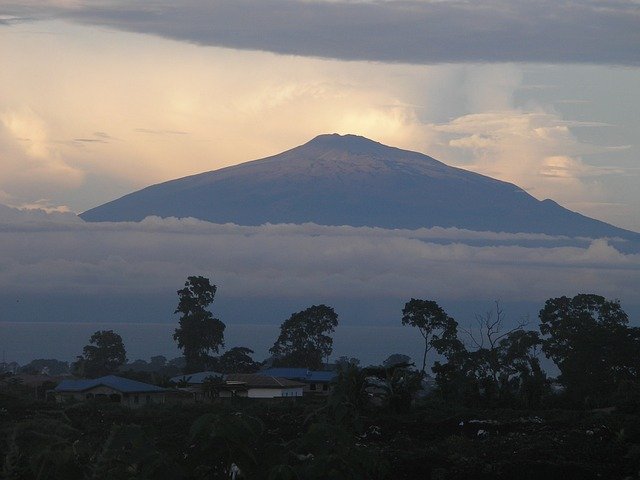
- Mount Cameroon: Africa's second-highest peak, perfect for hiking and trekking.
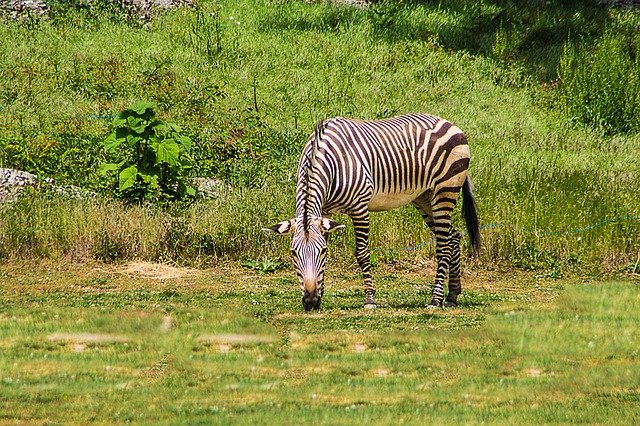
- Waza National Park: A haven for wildlife including elephants, lions, and antelopes.
- Lake Nyos and Lake Oku: Stunning crater lakes with rich biodiversity.
- Dja Faunal Reserve: A UNESCO World Heritage Site and a prime spot for nature enthusiasts.
Cultural Attractions
- Limbe Botanical Garden: A lush garden showcasing the region’s flora.
- Foumban Royal Palace: A glimpse into the culture of the Bamoun people.
- Bimbia Slave Port: A historical site commemorating the transatlantic slave trade.
Beaches
- Kribi: Known for its beautiful sandy beaches and nearby waterfalls.
- Limbe: Features black volcanic sand beaches and a vibrant coastal vibe.
Food and Cuisine
Must-Try Dishes
- Ndolé: Stew made with bitter leaves, peanuts, and meat or fish.
- Poulet DG: Chicken cooked with plantains and vegetables.
- Eru: A spicy dish made with wild spinach and smoked fish.
- Koki: A steamed dish of ground black-eyed peas.
Dining Tips
- Street food is flavorful but choose busy, well-maintained stalls.
- Tipping is not required but appreciated for excellent service.
Shopping and Souvenirs
- Makossa Music CDs: A popular genre in Cameroon.
- Handmade Crafts: Including carved wooden masks and sculptures.
- Traditional Fabrics: Brightly colored and patterned cloth.
- Spices and Coffee: Renowned for their quality.
Festivals and Events
- Ngondo Festival: Celebrates the Sawa culture with boat races and traditional dances (held in Douala).
- National Day (May 20): Parades and celebrations across the country.
- Mount Cameroon Race of Hope: Annual marathon ascending Mount Cameroon.
Suggested Itineraries
3-Day Itinerary
- Day 1: Explore Douala’s markets and Limbe Botanical Garden.
- Day 2: Relax on Kribi’s beaches and visit the Chutes de la Lobé waterfalls.
- Day 3: Trek Mount Cameroon or visit Waza National Park.
7-Day Itinerary
- Day 1-2: Douala and Limbe for cultural sites and beaches.
- Day 3-4: Trekking Mount Cameroon and exploring the surrounding area.
- Day 5-6: Visit the Foumban Royal Palace and Bamenda for cultural experiences.
- Day 7: Wildlife safari in Waza National Park or a trip to Dja Faunal Reserve.
Best Time to Visit
- Dry Season (November-February): Best for wildlife safaris and outdoor activities.
- Rainy Season (March-October): Lush landscapes but challenging travel conditions in rural areas.
Connectivity
- Wi-Fi: Available in urban areas and hotels.
- SIM Cards: Affordable and available from providers like MTN and Orange.
- Apps to Download:
- Maps.me: Useful for offline navigation.
- WhatsApp: Widely used for communication.
Conclusion
Cameroon’s rich cultural heritage, diverse landscapes, and warm hospitality make it a fascinating travel destination. Whether you’re trekking up Mount Cameroon, relaxing on Kribi’s beaches, or immersing yourself in local traditions, Cameroon offers a memorable experience for every type of traveler.