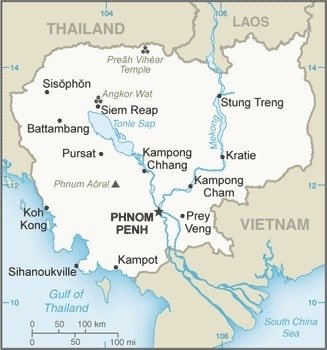
Comprehensive Travel Guide to Cambodia
General Information
- Capital City: Phnom Penh
- Population: 17,063,669
- Currency: Cambodian Riel (KHR), though US dollars are widely accepted.
- Time Zone: Indochina Time (ICT), UTC+7
- Official Language: Khmer,
- Dialing Code: +855
- Driving Side: Right
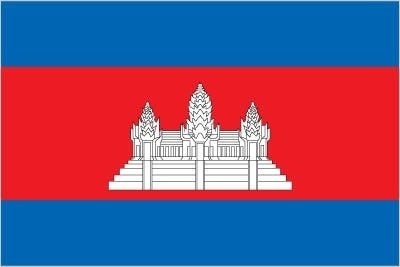
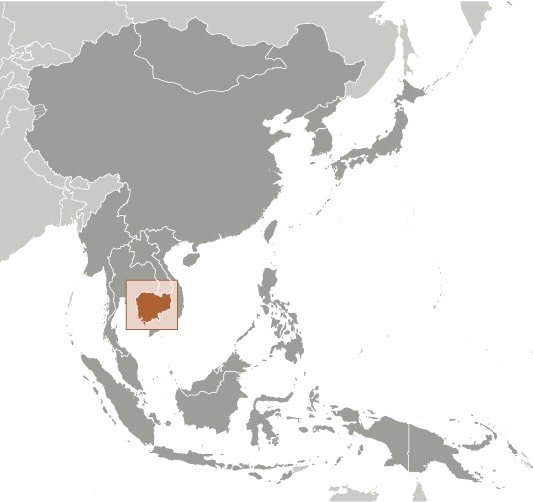
Cambodia, located in Southeast Asia, is renowned for its ancient temples, rich history, and vibrant culture. The country offers a mix of stunning natural landscapes, historical landmarks, and bustling cities.
Language and Communication
- Primary Language: Khmer
- English Proficiency: Common in urban areas and tourist spots.
- Helpful Phrases:
- Hello: Sua s'dei
- Thank you: Arkun
- How much? Tlai pohnmaan?
- Where is…? Nov ey-na?
- Tip: Download translation apps for smoother communication in rural areas.
Emergency Numbers
- General Emergency: 117 (Police), 118 (Fire), 119 (Ambulance).
Currency and Money
- US Dollars: Widely accepted alongside the Cambodian Riel.
- ATMs: Available in cities, dispensing both KHR and USD.
- Credit Cards: Accepted in hotels and upscale restaurants, but cash is preferred in rural areas.
- Tipping: Not mandatory but appreciated in restaurants and for guides.
Electricity and Plugs
- Voltage: 230 V
- Frequency: 50 Hz
- Plug Types: A, C, and G
- Adapter Needed: Yes, if your country uses a different plug type.
Safety and Health
Safety
- General Safety: Cambodia is generally safe for travelers, but petty theft can occur. Keep belongings secure.
- Traffic: Roads can be chaotic. Exercise caution when crossing streets or using tuk-tuks.
- Scams: Be cautious of inflated prices for services or goods.
Health
- Healthcare: Adequate in cities, but facilities in rural areas can be basic.
- Vaccinations: Ensure routine vaccinations. Consider typhoid, hepatitis A, and malaria prophylaxis.
- Water: Drink bottled or filtered water only.
Transportation
Public Transport
- Tuk-Tuks and Moto-Taxis: Popular and inexpensive for short distances. Negotiate fares beforehand.
- Buses: Connect major cities; minibuses operate on smaller routes.
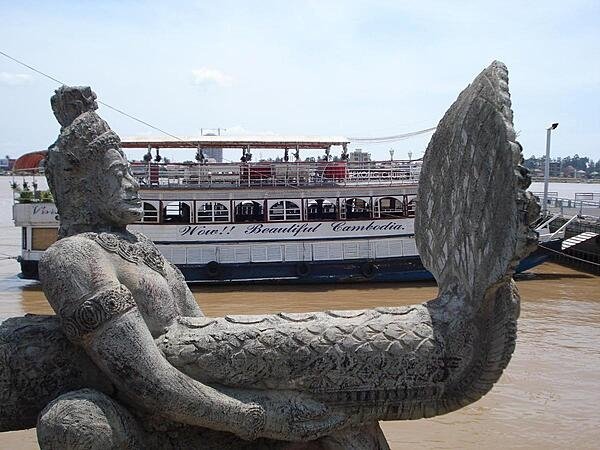
- Boats: Used for travel along the Mekong River and to Tonle Sap Lake.
Driving
- Car Rentals: Available, but driving in Cambodia can be challenging for visitors.
- Cycling: Popular in tourist areas like Siem Reap.
Activities and Attractions
Historical and Cultural Sites
- Angkor Wat (Siem Reap): Iconic temple complex and UNESCO World Heritage Site.
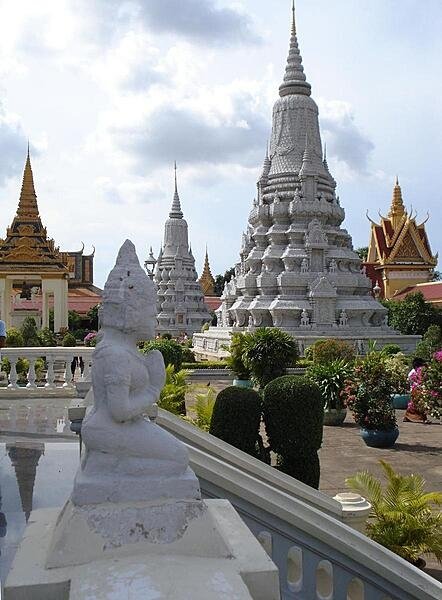
- Royal Palace (Phnom Penh): Stunning Khmer architecture and the Silver Pagoda.
- Killing Fields (Choeung Ek): Historical site near Phnom Penh, memorializing the Khmer Rouge era.
Natural Attractions
- Tonle Sap Lake: Southeast Asia’s largest freshwater lake with floating villages.
- Koh Rong Island: White sandy beaches and turquoise waters.
- Cardamom Mountains: Perfect for trekking and wildlife exploration.
Adventure Activities
- Ziplining: Near Angkor Archaeological Park.
- Kayaking: On the Mekong River or coastal areas.
Food and Cuisine
Must-Try Dishes
- Amok Trey: Fish cooked in banana leaves with coconut curry.
- Lok Lak: Stir-fried beef served with rice and a lime-pepper sauce.
- Nom Banh Chok: Traditional Khmer noodles with fish gravy.
- Bai Sach Chrouk: Grilled pork with rice, often eaten for breakfast.
Dining Tips
- Street food is delicious and safe in busy, well-maintained stalls.
- Many dishes are gluten-free and vegetarian-friendly.
- Tipping is not expected but appreciated in upscale establishments.
Shopping and Souvenirs
- Silk Scarves: High-quality, handwoven Cambodian silk.
- Krama: Traditional Cambodian scarves.
- Hand-Carved Wooden Statues: Intricate and often inspired by Angkorian designs.
- Peppercorns from Kampot: World-famous for their flavor.
Festivals and Events
- Khmer New Year (April): Three-day celebration with water fights, games, and feasts.
- Pchum Ben (September/October): Religious festival to honor ancestors.
- Water Festival (November): Celebrates the Tonle Sap River’s reversal with boat races and festivities.
Suggested Itineraries
3-Day Itinerary
- Day 1: Explore Angkor Wat, Angkor Thom, and Ta Prohm.
- Day 2: Visit Tonle Sap Lake and local floating villages.
- Day 3: Tour Phnom Penh’s Royal Palace and Killing Fields.
7-Day Itinerary
- Day 1-3: Siem Reap for Angkor temples and cultural experiences.
- Day 4: Tonle Sap Lake and Banteay Srei temple.
- Day 5: Phnom Penh’s Royal Palace, Killing Fields, and Central Market.
- Day 6: Sihanoukville for beaches and relaxation.
- Day 7: Koh Rong Island or trek in the Cardamom Mountains.
Best Time to Visit
- Cool Season (November-February): Comfortable temperatures and dry weather.
- Hot Season (March-May): Ideal for beach visits but very warm.
- Rainy Season (June-October): Lush scenery and fewer tourists, but some areas may be difficult to access.
Connectivity
- Wi-Fi: Free and widely available in urban and tourist areas.
- SIM Cards: Affordable and available from providers like Cellcard and Smart Axiata.
- Apps to Download:
- PassApp: For tuk-tuk and taxi services.
- Google Maps: Essential for navigation.
- Khmer Dictionary: Helpful for translations.
Conclusion
Cambodia is a land of incredible history, vibrant culture, and stunning natural beauty. Whether you're marveling at the ancient ruins of Angkor Wat, exploring bustling Phnom Penh, or relaxing on tropical beaches, Cambodia promises a unique and unforgettable travel experience.