Africa
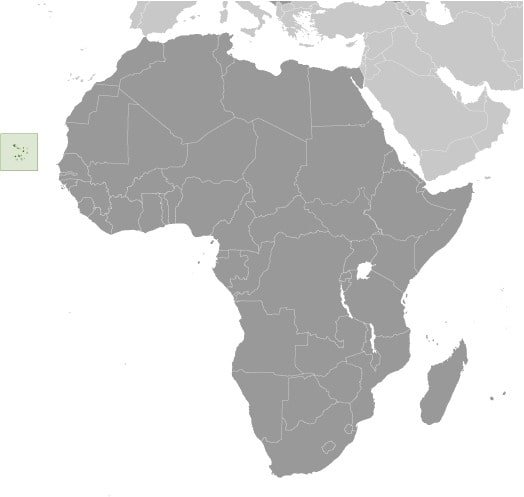
Cabo VerdeCabo Verde, an enchanting archipelago off the coast of West Africa, invites you to explore its mesmerizing landscapes and vibrant culture, where every island tells a unique story of heritage and beauty. With its stunning beaches, volcanic mountains, and rich Afro-Portuguese influences, Cabo Verde offers a captivating blend of relaxation and adventure. Discover the rhythmic sounds of morna music, indulge in the local cuisine bursting with fresh seafood and tropical fruits, and immerse yourself in the warmth of the islanders' hospitality. Whether you're hiking through lush trails on Santo Antão, dancing under the stars in Mindelo, or simply soaking in the sun on Sal's sandy shores, Cabo Verde promises an unforgettable escape and the chance to connect with nature and people in a truly extraordinary setting.

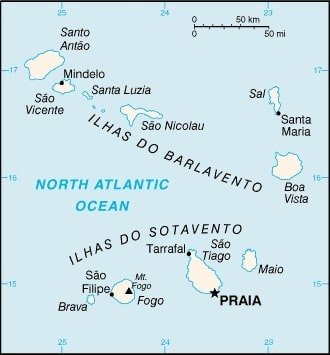
Comprehensive Travel Guide to Cabo Verde
General Information
- Capital City: Praia
- Population: 611,014
- Currency: Cape Verdean Escudo (CVE)
- Time Zone: Cabo Verde Time (CVT), UTC-1 (No Daylight Saving Time)
- Official Language: Portuguese
- Recognized Languages: Cape Verdean Creole (widely spoken)
- Dialing Code: +238
- Driving Side: Right
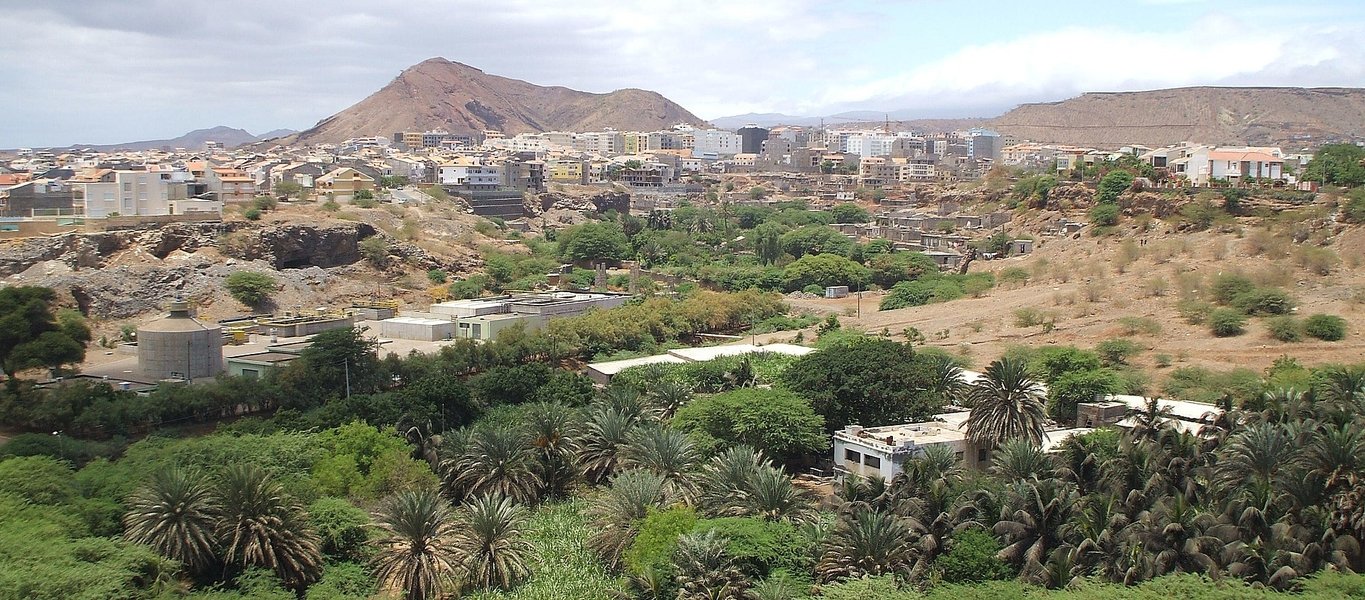
Located off the northwest coast of Africa, Cabo Verde (Cape Verde) is an archipelago of 10 volcanic islands. Known for its stunning beaches, vibrant music scene, and friendly locals, Cabo Verde offers a mix of relaxation and adventure. With diverse landscapes ranging from arid deserts to lush mountains, it’s a paradise for nature lovers and cultural enthusiasts alike.
Language and Communication
- Primary Language: Portuguese (used in administration and education).
- Widely Spoken: Cape Verdean Creole (used in everyday communication).
- Helpful Phrases:
- Hello: Olá
- Thank you: Obrigado/a (male/female speaker)
- Please: Por favor
- Goodbye: Adeus
Emergency Numbers
- Police: 132
- Fire: 131
- Ambulance: 130
Currency and Money
- Credit Cards: Accepted in major hotels and restaurants but less common in rural areas.
- ATMs: Widely available in urban centers; dispense Cape Verdean Escudos.
- Currency Exchange: Available at airports, banks, and exchange offices.
- Tip: Bring Euros, which are widely accepted and easily exchangeable.
Electricity and Plugs
- Voltage: 220 V
- Frequency: 50 Hz
- Plug Types: Type C and F (European-style plugs).
- Adapter Needed: Yes, if your devices use a different plug type.
Safety and Health
Safety
- Crime: Petty theft can occur in crowded areas; exercise caution with valuables.
- Natural Hazards: Beware of strong currents at some beaches and occasional volcanic activity.
- Travel Tip: Avoid walking alone late at night in secluded areas.
Health
- Healthcare: Limited outside major islands like Santiago and São Vicente; travel insurance is recommended.
- Vaccinations: Routine vaccinations are sufficient; check for updates.
- Water Safety: Tap water is not potable; stick to bottled or boiled water.
Transportation
Public Transport
- Minibuses (Aluguers): The most common and affordable way to get around.
- Taxis: Available in cities; ensure meters are used or negotiate fares beforehand.
- Ferries: Connect the islands, but schedules can be inconsistent.
Driving
- Road Conditions: Paved roads on main islands; rural areas may have rough tracks.
- Car Rentals: Available on larger islands like Santiago, Sal, and São Vicente.
- Tip: International Driving Permit (IDP) may be required.
Activities and Attractions
Cultural Highlights
- Cidade Velha (Santiago):
- A UNESCO World Heritage site, this historic city was the first European settlement in the tropics.
- Visit the Fortress of São Filipe and explore colonial-era ruins.
- Praia:
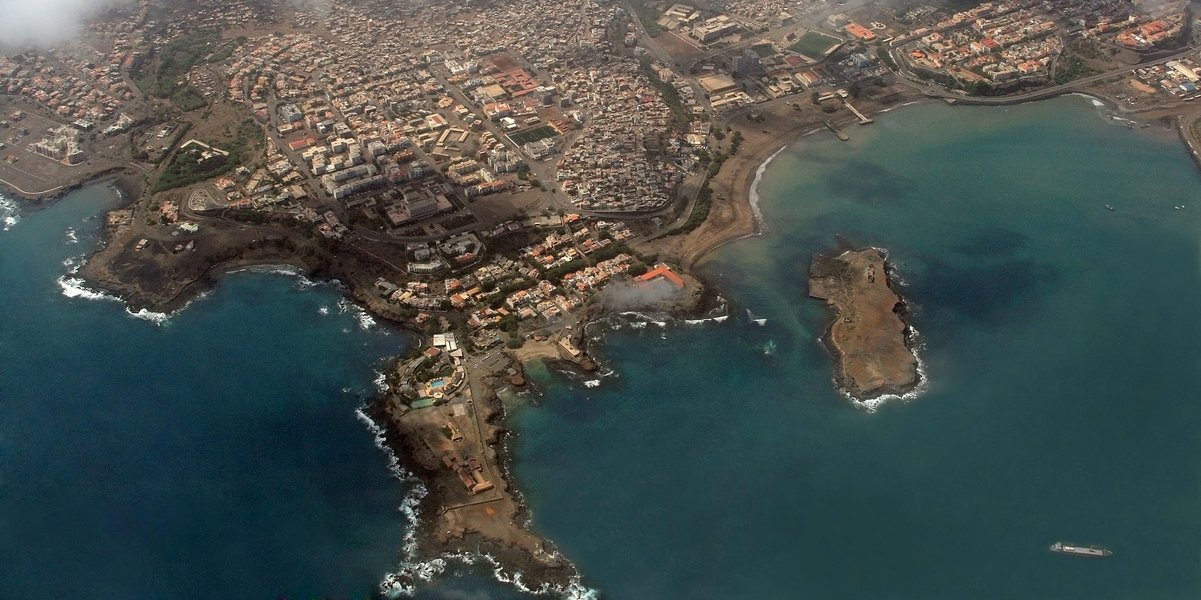
- The vibrant capital features cultural hubs like the Plateau and the National Museum.
- Mindelo (São Vicente):
- Known for its lively music scene and vibrant festivals, including the famous Carnival.
Natural Wonders
- Fogo Volcano (Fogo Island):
- Hike to the summit of Pico do Fogo, an active volcano, for breathtaking views.
- Explore the nearby lava fields and charming villages.
- Sal Island:
- Relax on pristine beaches like Santa Maria and visit the Pedra de Lume Salt Crater.
- Boa Vista:
- Famous for its sand dunes, turquoise waters, and loggerhead turtle nesting sites.
- Brava:
- The “Island of Flowers,” ideal for hiking and exploring lush landscapes.
Food and Cuisine
Traditional Dishes
- Cachupa: A slow-cooked stew made with corn, beans, and meat or fish.
- Lagostada: Lobster stew served with a flavorful sauce.
- Bolinhos de Peixe: Fried fish cakes often served as appetizers.
- Feijoada: A bean and meat stew influenced by Portuguese cuisine.
- Grogue: A traditional rum-like spirit distilled from sugarcane.
Dining Tips
- Tipping: Not mandatory but appreciated (around 10% in restaurants).
- Specialties: Fresh seafood is a highlight of Cabo Verdean cuisine.
Shopping and Souvenirs
- Local Crafts: Handmade jewelry, ceramics, and textiles.
- Cape Verdean Music: CDs or vinyl records featuring morna and funaná music.
- Grogue and Ponche: Traditional alcoholic beverages.
- Coffee: High-quality beans grown on Fogo Island.
Festivals and Events
- Carnival of Mindelo (February): A lively celebration with parades, costumes, and music.
- Baía das Gatas Music Festival (August): A major music event held on São Vicente Island.
- São João Festival (June): Traditional festivities featuring dancing, bonfires, and cultural events.
Suggested Itineraries
3-Day Itinerary
- Day 1: Explore Praia and Cidade Velha on Santiago Island.
- Day 2: Relax on Santa Maria Beach in Sal and visit the salt flats.
- Day 3: Take a ferry to São Vicente and experience Mindelo’s vibrant culture.
7-Day Itinerary
- Day 1-2: Santiago highlights, including Cidade Velha and local markets in Praia.
- Day 3-4: Adventure on Fogo Island, with a hike up Pico do Fogo.
- Day 5: Relax on Boa Vista’s beaches and explore its desert-like landscapes.
- Day 6-7: Discover Mindelo and attend a live music performance or festival.
Best Time to Visit
- November to June: Dry season with pleasant weather for outdoor activities.
- July to October: Wet season, with occasional rain but lush landscapes.
- Special Tip: Visit during Carnival for a unique cultural experience.
Connectivity
- Wi-Fi: Widely available in hotels and cafes in urban areas.
- SIM Cards: Purchase prepaid SIMs from local providers like CVMóvel or Unitel T+.
- Apps to Download:
- Google Maps (navigation)
- Cape Verde Travel Guide (local insights)
Conclusion
Cabo Verde is a hidden gem offering a mix of cultural richness, natural beauty, and warm hospitality. From the lively rhythms of Mindelo to the serene beaches of Sal, the islands promise a memorable experience. Whether you’re hiking an active volcano, indulging in fresh seafood, or dancing to traditional morna music, Cabo Verde is a destination that will captivate your heart.