Comprehensive Travel Guide to Burma (Myanmar)
General Information
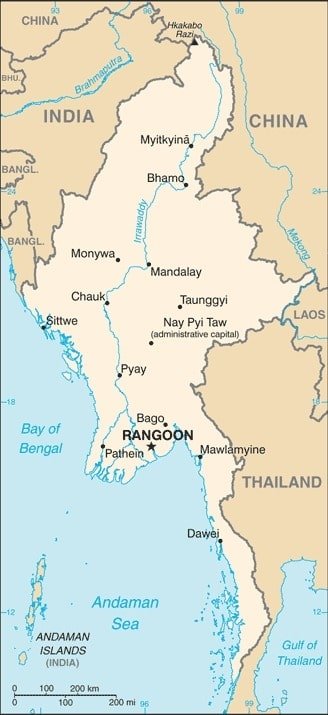
- Capital City: Rangoon (aka Yangon, continues to be recognized as the primary Burmese capital by the US Government); Nay Pyi Taw is the administrative capital
- Population: 57,527,139
- Currency: Myanmar Kyat (MMK)
- Time Zone: Myanmar Time (MMT), UTC+6:30
- Official Language: Burmese
- Dialing Code: +95
- Driving Side: Right
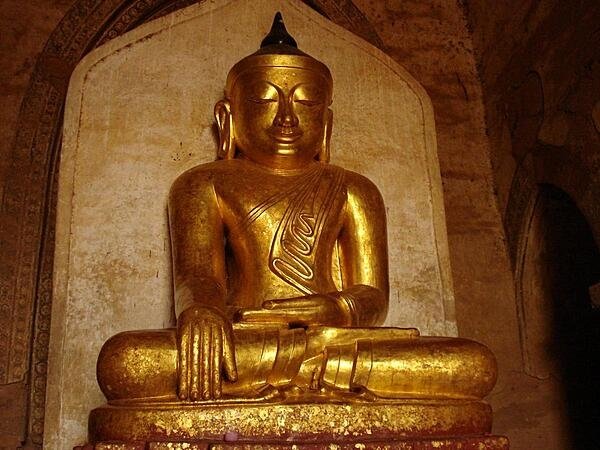
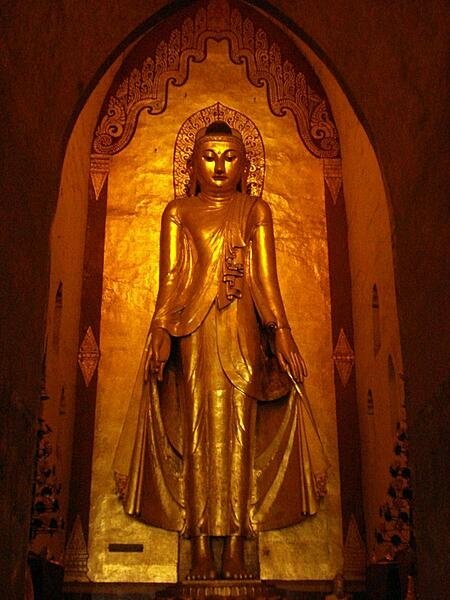
Burma, officially known as Myanmar, is a Southeast Asian country renowned for its golden temples, rich cultural heritage, and breathtaking natural landscapes. From the bustling city streets of Yangon to the serene waters of Inle Lake, Burma offers travelers an enchanting blend of history, culture, and adventure.
Language and Communication
- Primary Language: Burmese (official).
- English Proficiency: Common in urban areas and among those working in tourism.
- Helpful Phrases:
- Hello: Mingalaba
- Thank you: Kyei zu tin ba de
- How much?: Be lau le?
- Please: Kyei zu pyu yu
Emergency Numbers
- General Emergency: 999
- Police: 199
- Fire Department: 191
- Ambulance: 192
Currency and Money
- Credit Cards: Increasingly accepted in cities and major tourist areas, but cash is essential in rural areas.
- ATMs: Widely available in cities but may not always function reliably.
- Currency Exchange: Available at airports, banks, and authorized money changers. Avoid street vendors for currency exchange.
- Travel Tip: Carry small denominations of Kyat, as change can be scarce in rural areas.
Electricity and Plugs
- Voltage: 230 V
- Frequency: 50 Hz
- Plug Types: Type A, C, D, G, I
- Adapter Needed: Yes, depending on your device's plug type.
Safety and Health
Safety
- Crime: Petty theft can occur in tourist hotspots; keep valuables secure.
- Political Stability: Check current travel advisories due to occasional unrest.
- Natural Hazards: Monsoon season (May to October) can lead to flooding.
Health
- Healthcare: Limited facilities outside major cities; ensure you have travel insurance.
- Vaccinations: Hepatitis A, typhoid, and malaria prophylaxis are recommended. Yellow fever vaccination is mandatory if traveling from an endemic region.
- Water Safety: Stick to bottled or boiled water.
Transportation
Public Transport
- Buses: Affordable but can be crowded and not always punctual.
- Trains: Offer scenic routes but are slow and less reliable than buses.
- Taxis: Widely available in cities; negotiate fares before starting your journey.
- Motorbike Taxis: Common in smaller towns for short distances.
Driving
- Road Conditions: Vary widely; rural roads can be challenging.
- Car Rentals: Available with drivers, as self-drive rentals are rare and not recommended.
Activities and Attractions
Cultural Highlights
- Yangon:
- Visit the iconic Shwedagon Pagoda, a golden Buddhist temple.
- Stroll through the bustling streets of Chinatown and Bogyoke Aung San Market.
- Mandalay:
- Explore the Mandalay Palace and Mandalay Hill.
- Discover nearby ancient cities like Amarapura and Sagaing.
- Bagan:
- Marvel at thousands of ancient temples scattered across the plains.
- Enjoy a hot-air balloon ride at sunrise for stunning views.
Natural Wonders
- Inle Lake:
- Witness the unique leg-rowing fishermen and floating gardens.
- Visit local markets and traditional workshops.
- Ngapali Beach:
- Relax on pristine sandy beaches with turquoise waters.
- Indulge in fresh seafood and water activities.
- Golden Rock (Kyaiktiyo Pagoda):
- A gravity-defying boulder adorned with gold leaf, a significant pilgrimage site.
Food and Cuisine
Traditional Dishes
- Mohinga: Rice noodle soup with fish broth, considered the national dish.
- Shan Noodles: A flavorful noodle dish served with chicken or pork.
- Laphet Thoke: A unique tea leaf salad with nuts and sesame seeds.
- Curry Dishes: Often served with rice, soup, and a variety of side dishes.
Dining Tips
- Tipping: Not mandatory but appreciated in upscale restaurants.
- Etiquette: Use your right hand for eating and handing items, as the left is considered impolite.
Shopping and Souvenirs
- Handwoven Textiles: Traditional fabrics and longyi (a type of sarong).
- Lacquerware: Handcrafted bowls, plates, and decorative items.
- Gems and Jewelry: Particularly jade and rubies, but buy only from reputable dealers.
- Tea: Locally grown and often sold in markets.
Festivals and Events
- Thingyan (April): The Burmese New Year Water Festival, marked by water fights and celebrations.
- Thadingyut Festival (October): A festival of lights celebrating Buddha’s descent from heaven.
- Tazaungdaing Festival (November): A festival featuring hot-air balloons and traditional celebrations.
Suggested Itineraries
3-Day Itinerary
- Day 1: Explore Yangon, including Shwedagon Pagoda and Bogyoke Market.
- Day 2: Visit Bagan’s temples and watch the sunset over the plains.
- Day 3: Day trip to Mount Popa or Mandalay.
7-Day Itinerary
- Day 1-2: Yangon highlights and Golden Rock pilgrimage.
- Day 3-4: Bagan temples and a hot-air balloon ride.
- Day 5-6: Inle Lake for cultural experiences and boat tours.
- Day 7: Relax at Ngapali Beach.
Best Time to Visit
- November to February: Cool and dry season, ideal for exploring.
- March to May: Hot season, best for beach destinations.
- June to October: Rainy season, offering lush landscapes but challenging travel conditions.
Connectivity
- Wi-Fi: Available in urban hotels and cafes but can be slow.
- SIM Cards: Purchase prepaid SIMs from operators like Telenor or Ooredoo for mobile data.
- Apps to Download:
- Grab (transportation and food delivery)
- Google Translate (for language assistance)
Conclusion
Burma’s captivating mix of ancient temples, natural wonders, and rich traditions creates an unforgettable travel experience. Whether you’re exploring the temple-studded landscapes of Bagan, gliding on the serene waters of Inle Lake, or enjoying the vibrant festivities, Burma promises to enchant and inspire every traveler. Embrace the warmth of its people, the depth of its culture, and the beauty of its landscapes.