South Asia
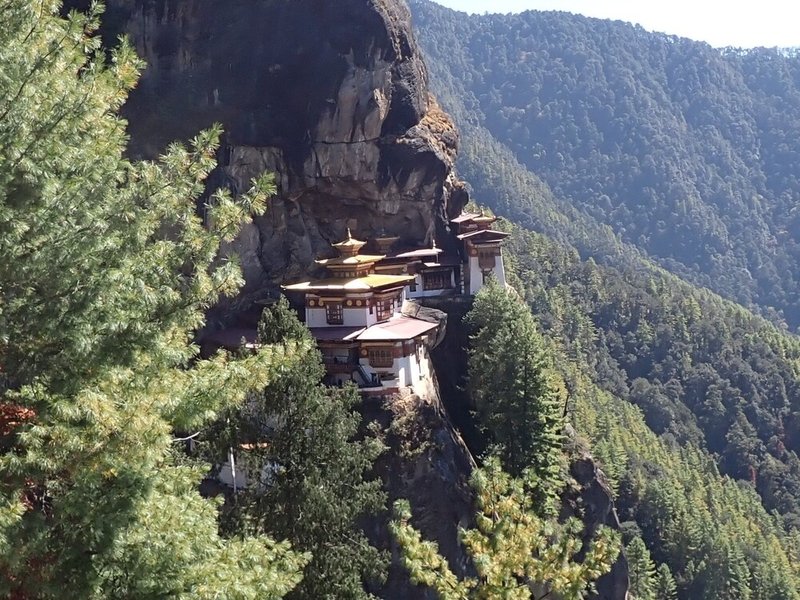
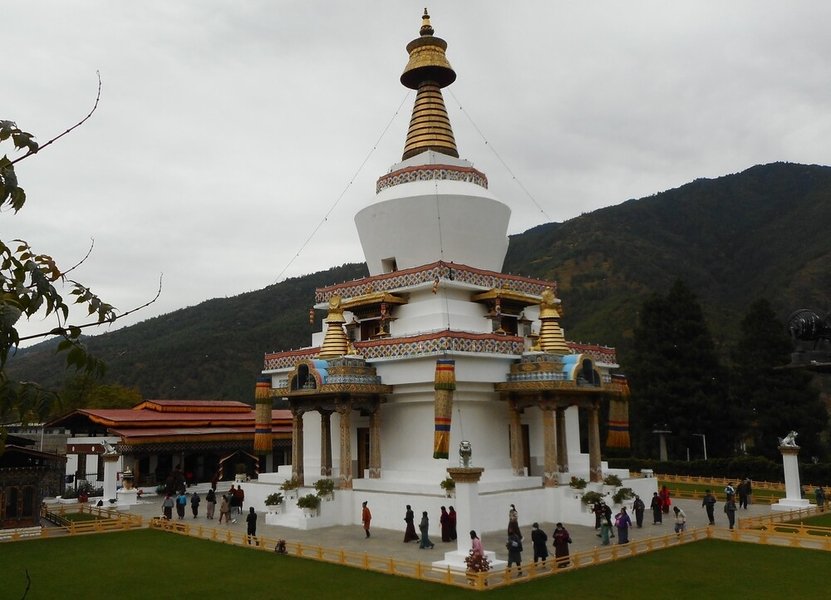
BhutanNestled in the heart of the Himalayas, Bhutan is a land steeped in mystique and tranquility, where ancient monasteries cling to cliffs and vibrant festivals pulse with life against breathtaking backdrops. This kingdom embraces the philosophy of Gross National Happiness, inviting travelers to explore its rich cultural tapestry and unspoiled landscapes. As you wander through lush valleys and majestic mountains, you'll encounter warm-hearted locals who share their deep-rooted traditions and enchanting tales. From the iconic Tiger's Nest Monastery perched high above the Paro Valley to the serene beauty of Punakha Dzong, each destination is a testament to Bhutan's unique blend of spirituality and natural wonder. Here, every experience opens a window to a world that inspires reflection and connection, offering a transformative journey that nourishes both the soul and the spirit.

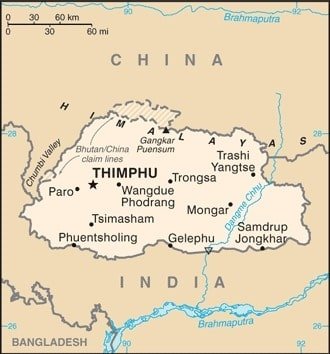
Comprehensive Travel Guide to Bhutan
General Information
- Capital City: Thimphu
- Population: 884,546
- Currency: Bhutanese Ngultrum (BTN), Indian Rupee (INR) also accepted
- Time Zone: Bhutan Time (BTT), UTC+6
- Official Language: Dzongkha, Lhotshamkha, Sharchhopka
- Dialing Code: +975
- Driving Side: Left
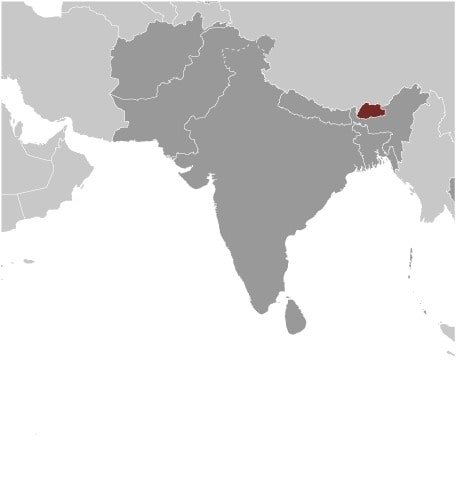
Nestled in the eastern Himalayas, Bhutan, the “Land of the Thunder Dragon,” is known for its pristine natural landscapes, vibrant culture, and emphasis on Gross National Happiness. Bhutan combines ancient traditions with stunning scenery, offering a tranquil escape for travelers.
Language and Communication
- Primary Language: Dzongkha
- English Proficiency: Widely spoken, especially in urban areas and by the younger population.
- Helpful Phrases:
- Kuzuzangpo La: Hello
- Kadrin Cheyla: Thank you
- Ga tey jo na?: How are you?
- Chhoe ga lep bey za?: Where is this?
English is the medium of instruction in schools, making communication easier for visitors.
Emergency Numbers
- Police: 113
- Fire: 110
- Ambulance: 112
Currency and Money
- Currency Used: Bhutanese Ngultrum (BTN), equivalent to the Indian Rupee (INR), which is also widely accepted.
- Credit Cards: Accepted in high-end hotels and shops; cash is preferred in rural areas.
- ATMs: Limited to urban areas like Thimphu and Paro; withdrawals in Ngultrum.
- Currency Exchange: Available at banks and authorized money exchangers.
Electricity and Plugs
- Voltage: 230 V
- Frequency: 50 Hz
- Plug Types: Type D, Type G, and Type M
- Adapter Needed: Yes, if your devices use a different plug type.
Safety and Health
- Safety:
- Bhutan is one of the safest countries in the world.
- Respect local customs and the environment.
- Trekking requires preparation and permits.
- Health:
- Vaccinations Recommended: Hepatitis A, Typhoid, and routine vaccinations.
- Healthcare: Basic healthcare facilities are available, but major medical emergencies may require evacuation.
- Water: Drink only bottled or boiled water to avoid stomach issues.
Transportation
Public Transport
- Limited bus services connect major towns, but they are not ideal for tourists.
Taxis
- Readily available in urban areas. Fares should be negotiated beforehand.
Private Vehicles
- Hiring a car with a driver or using a tour operator is the most convenient option for exploring Bhutan.
Activities and Attractions
Iconic Sites
- Tiger’s Nest Monastery (Paro Taktsang): A sacred pilgrimage site perched on a cliffside, offering breathtaking views.
- Punakha Dzong: Known as the "Palace of Great Happiness," a stunning riverside fortress.
- Thimphu Tashichho Dzong: A beautiful Buddhist monastery and fortress that serves as the seat of the government.
Cultural Experiences
- Local Festivals (Tsechus): Witness masked dances and rituals at festivals like Paro Tsechu and Thimphu Tsechu.
- Traditional Archery: Bhutan’s national sport is a fascinating cultural experience.
- Handicrafts and Textiles: Visit local markets and weaving centers to see exquisite Bhutanese textiles.
Nature and Outdoor Adventures
- Phobjikha Valley: A serene glacial valley known for the black-necked cranes.
- Hiking and Trekking: Popular routes include the Druk Path Trek and Jomolhari Trek.
- Bumthang Valley: The spiritual heartland of Bhutan with monasteries and lush landscapes.
Food and Cuisine
Traditional Dishes
- Ema Datshi: Spicy chili and cheese stew, Bhutan's national dish.
- Red Rice: A staple served with most meals.
- Pork and Beef Curries: Richly spiced and flavorful.
- Suja: Traditional butter tea, a salty beverage enjoyed during festivals.
- Ara: A local alcoholic drink made from rice or maize.
Dining Tips
- Meals often include a mix of rice, vegetables, and spicy dishes.
- Hospitality is a key aspect of Bhutanese culture, so expect warm welcomes.
Shopping and Souvenirs
- Popular Items:
- Handwoven textiles and fabrics.
- Thangka paintings (Buddhist religious art).
- Wooden masks and prayer flags.
- Local jewelry and crafts.
- Shopping Spots:
- Thimphu Weekend Market: For fresh produce, crafts, and local products.
- Handicrafts Emporium in Thimphu: Authentic Bhutanese items.
Festivals and Events
- Paro Tsechu (March/April): A grand religious festival featuring masked dances and cultural performances.
- Thimphu Tsechu (September): A vibrant celebration of Bhutanese culture and spirituality.
- Haa Summer Festival (July): Showcases nomadic traditions and local cuisine.
Suggested Itineraries
5-Day Itinerary:
- Day 1: Arrive in Paro, visit Tiger’s Nest Monastery.
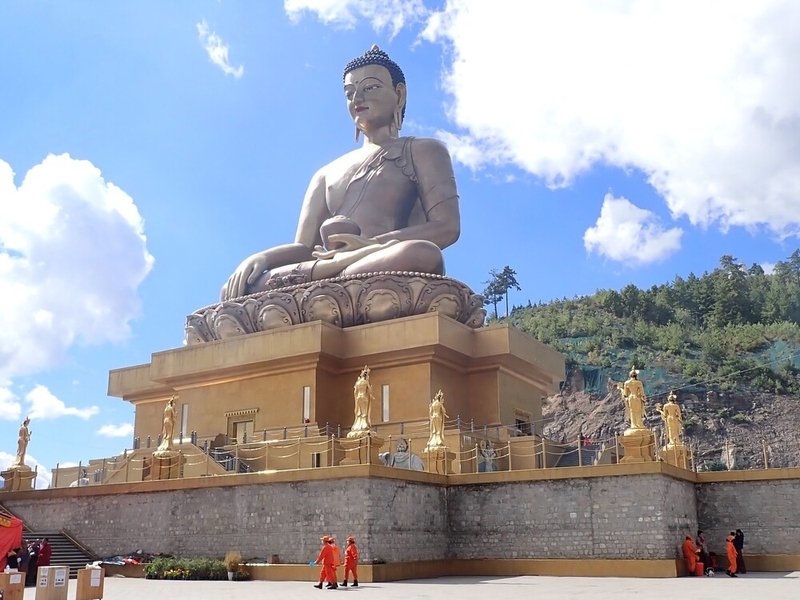
- Day 2: Explore Thimphu, including the Tashichho Dzong and Buddha Dordenma.
- Day 3: Drive to Punakha, visit the Punakha Dzong and Suspension Bridge.
- Day 4: Visit the Phobjikha Valley and Gangtey Monastery.
- Day 5: Return to Paro for shopping and cultural experiences.
7-Day Itinerary:
- Day 1-2: Paro highlights, including Drukgyel Dzong and Tiger’s Nest.
- Day 3-4: Thimphu’s cultural sites and local markets.
- Day 5: Punakha’s Dzongs and nature trails.
- Day 6: Phobjikha Valley and black-necked cranes (seasonal).
- Day 7: Return to Paro and relax with a hot stone bath.
Best Time to Visit
- Spring (March-May): Lush landscapes and rhododendrons in bloom.
- Autumn (September-November): Clear skies and vibrant festivals.
- Winter (December-February): Ideal for trekking and fewer crowds.
- Monsoon (June-August): Rainy season; trekking routes may be challenging.
Connectivity
- Wi-Fi: Available in hotels and urban areas but may be slow in rural regions.
- SIM Cards: Purchase a local SIM (TashiCell or B-Mobile) for affordable mobile data.
- Apps to Download:
- Google Maps
- Bhutanese Calendar
- Local Guide Apps
Conclusion
Bhutan’s blend of spiritual heritage, pristine nature, and warm hospitality offers a travel experience like no other. From the soaring peaks of the Himalayas to its vibrant festivals, Bhutan is a journey into serenity and culture. The nation’s focus on sustainable tourism ensures that every visit supports its preservation of culture and environment, making it a truly unique destination.