Australia and Oceania
Ashmore and Cartier IslandsDiscover the remote allure of the Ashmore and Cartier Islands, a hidden gem in the Indian Ocean where the untouched beauty of nature reigns supreme. With no permanent inhabitants, these islands are a sanctuary for adventurers, researchers, and conservationists alike, offering an unparalleled glimpse into a vibrant marine ecosystem rich with biodiversity. Picture yourself exploring pristine coral reefs teeming with life, witnessing migratory seabirds in their natural habitat, and immersing yourself in an environment where every wave whispers tales of untouched wilderness. This is a destination for the intrepid spirit, calling on you to embrace the thrill of discovery amidst stunning natural wonders, all while respecting the delicate balance of this unique ecosystem. Plan your expedition and prepare for an unforgettable experience that transcends the ordinary, as the Ashmore and Cartier Islands invite you to uncover their secrets.

Comprehensive Travel Guide to Ashmore and Cartier Islands
General Information
- Capital City: None (uninhabited territory)
- Population: Uninhabited
- Currency: Australian Dollar (AUD)
- Time Zone: UTC+8
- Official Language: None (territory under Australian governance)
- Dialing Code: +61 (Australia)
- Driving Side: N/A
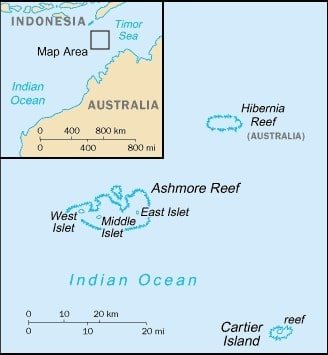
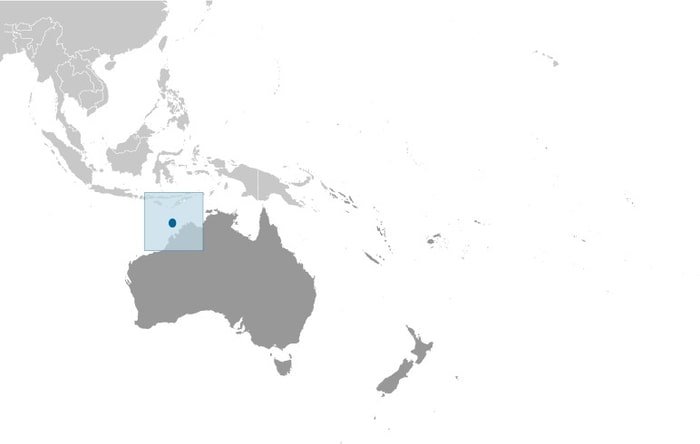
The Ashmore and Cartier Islands are a remote Australian external territory located in the Indian Ocean. Known for their ecological significance, these islands serve as a marine reserve and are visited mainly by scientists, conservationists, and the occasional adventurer.
Language and Communication
- Primary Language: None (uninhabited).
- Communication Needs: Satellite phones are essential for communication as there is no infrastructure on the islands.
Emergency Numbers
- Emergency Assistance: No facilities or emergency services are available on the islands. Assistance is coordinated through Australian authorities.
Currency and Money
- Currency: Australian Dollar (AUD).
- Banking and Payments: There are no banks, ATMs, or any financial services on the islands.
Electricity and Plugs
- Electricity: No electrical infrastructure exists. Visitors must rely on portable power sources such as solar chargers or generators.
Safety and Health
Safety
- Hazards:
- Harsh environmental conditions, including high temperatures and rough seas.
- Dangerous marine life, including sharks and sea snakes.
- The surrounding waters can have strong currents.
- Access: Travel to the islands requires permission from Australian authorities.
Health
- Medical Facilities: None available. Visitors must bring their own medical supplies and first-aid kits.
Transportation
Getting There
- Access:
- The islands are accessible only by boat, typically from northern Australia.
- Special permits are required from the Australian government to visit.
- Closest Port: Broome or Darwin in Australia.
Getting Around
- On the Islands: The islands are small and uninhabited; exploration is done on foot.
Activities and Attractions
Natural Wonders
- Marine Biodiversity:
- The Ashmore Reef Marine Park is a haven for diverse marine life, including coral reefs, sea turtles, and over 500 species of fish.
- It is also a critical habitat for migratory seabirds.
- Cartier Island: A submerged reef system, popular for scientific diving and research.
Activities
- Diving and Snorkeling:
- Pristine coral reefs provide excellent opportunities for exploring underwater ecosystems.
- Note: Diving requires expertise due to strong currents and remote location.
- Bird Watching: A vital nesting site for seabirds, offering unique opportunities for avian enthusiasts.
Food and Cuisine
- Self-Catering:
- Visitors must bring their own food and supplies, as there are no facilities or services on the islands.
Shopping and Souvenirs
- N/A: No shopping facilities exist.
Festivals and Events
- None: The islands are uninhabited and do not host events.
Suggested Itineraries
3-Day Expedition (Research/Conservation Focus)
- Day 1: Arrival and setup of temporary camp. Begin initial exploration of Ashmore Reef.
- Day 2: Conduct marine life observation, diving, or snorkeling in the reef area.
- Day 3: Explore Cartier Island reef systems and document findings. Prepare for departure.
Best Time to Visit
- Optimal Months: April to October, during the dry season, to avoid monsoon conditions.
Connectivity
- Internet: No connectivity; satellite devices are necessary.
- Phone Service: Only satellite phones work in this remote area.
Conclusion
The Ashmore and Cartier Islands offer a unique and untouched natural environment, appealing primarily to scientists and conservationists. With strict access regulations and a lack of infrastructure, visiting these islands requires thorough preparation, but the rewards include unparalleled biodiversity and a pristine marine ecosystem.