Antarctica
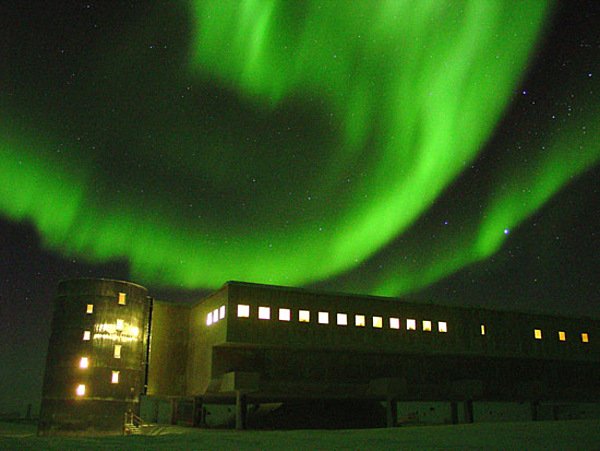
AntarcticaEmbark on an unforgettable journey to Antarctica, where the stunning landscapes of icebergs and glaciers evoke a sense of wonder and tranquility, inviting you to explore the untouched beauty of our planet's most remote wilderness. Imagine standing amongst towering ice formations, witnessing majestic wildlife like penguins and seals in their natural habitat, and experiencing the pure serenity of the white expanse that stretches as far as the eye can see. Here, you'll find a world that feels alive yet untouched, where each moment offers a chance to connect with nature on a profound level. Let the magic of Antarctica awaken your spirit of adventure and nurture your soul in ways you never thought possible.

Comprehensive Travel Guide to Antarctica
General Information
- Capital City: None (Antarctica is not a country but a continent governed by the Antarctic Treaty System)
- Population: Approximately 1,000 to 5,000 (seasonal, mostly scientists and support staff)
- Currency: None (US Dollars, Euros, or specific expedition currencies are commonly used)
- Time Zones: Multiple time zones, typically based on the home country of research stations or expedition vessels.
- Official Languages: None, though English, Russian, and Spanish are widely used by researchers and visitors.
- Dialing Code: No official dialing code; satellite phones are the most common communication tool.
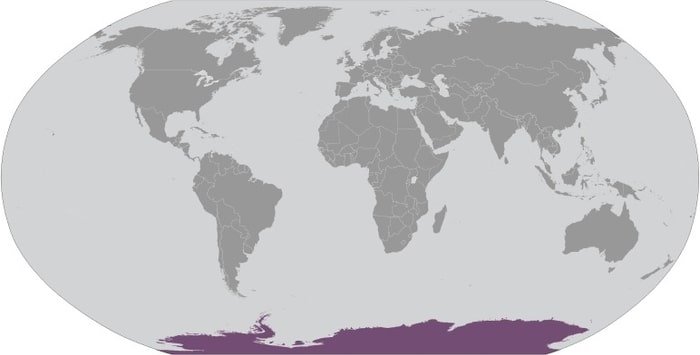
Antarctica, the southernmost continent, is a land of extremes and mystery. Covered by vast ice sheets and surrounded by the Southern Ocean, it is home to incredible wildlife, stunning landscapes, and unique research opportunities. It’s an ultimate bucket-list destination for adventure seekers and nature enthusiasts.
Language and Communication
- Common Languages: English, Spanish, and Russian dominate in research stations.
- Tips: Learn basic phrases relevant to your expedition, and rely on guides or station personnel for communication.
Emergency Services
- Rescue Operations: Provided through expedition operators or nearby research stations.
- Preparation: Always travel with a reputable expedition company that includes emergency protocols.
Currency and Money
- Currency: No native currency; most transactions occur before arriving in Antarctica.
- Payment: Bring cash (USD or EUR) or credit cards for use on expedition vessels and research station gift shops.
Electricity and Plugs
- Voltage: Varies depending on the research station or expedition vessel, typically 220-240V.
- Plug Types: Types C, F, or others based on the host country of the station or ship.
- Adapter Needed: Yes, if your plugs differ from the expedition's setup.
Safety and Health
- Safety Tips:
- Follow all guidelines from your expedition leader.
- Avoid touching wildlife or disrupting their natural habitat.
- Be cautious on icy or uneven terrain.
- Health Tips:
- Bring personal medication, as healthcare is limited to basic facilities on research stations or vessels.
- Pack high-SPF sunscreen and UV-protective sunglasses for the intense glare from snow and ice.
Transportation
Getting There
- Access Points:
- Fly or cruise from countries like Argentina (Ushuaia), Chile (Punta Arenas), or New Zealand.
- Most visitors arrive via expedition cruises.
Within Antarctica
- Travel is limited to guided tours, small boats (Zodiacs), and on-foot excursions.
- Independent travel is not permitted under the Antarctic Treaty.
Activities and Attractions
Wildlife Encounters
- Penguins: Emperor, Adélie, Gentoo, and Chinstrap penguins are common.
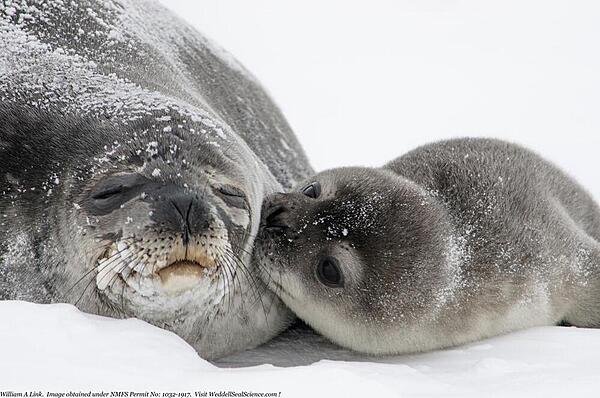
- Seals: Spot Weddell, leopard, and elephant seals basking on the ice.
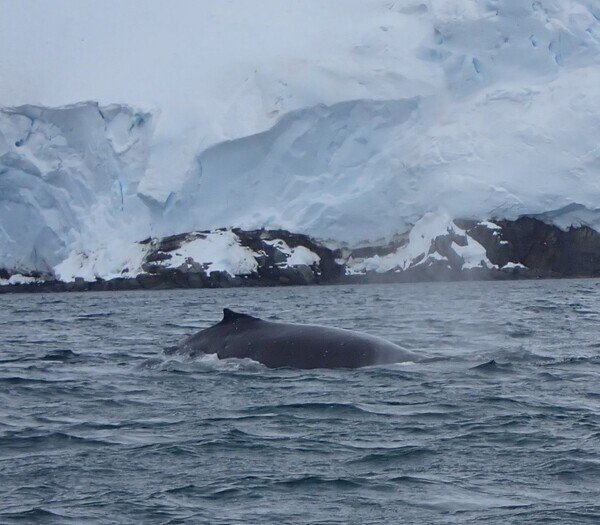
- Whales: Look out for humpback, minke, and orcas during expeditions.
- Birdwatching: See skuas, petrels, and albatrosses soaring above.
Scenic Highlights
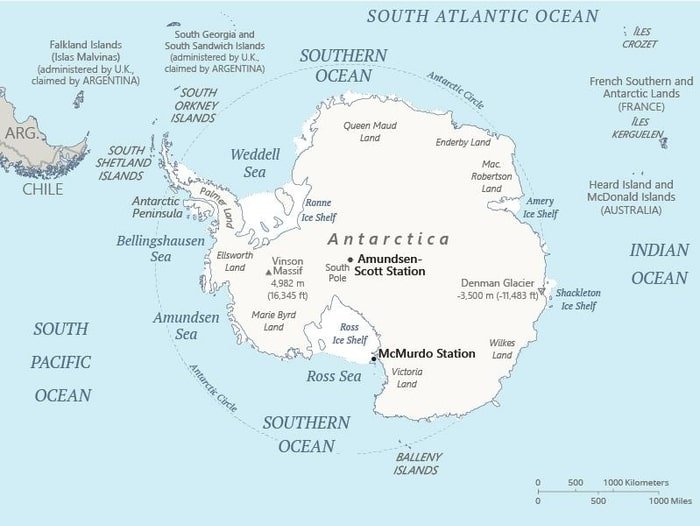
- Antarctic Peninsula: Known for its towering icebergs, dramatic landscapes, and abundant wildlife.
- Ross Ice Shelf: A massive floating ice shelf, mesmerizing in scale.
- Mount Erebus: The southernmost active volcano on Earth.
- Lemaire Channel: A narrow, iceberg-laden passage with breathtaking views.
Unique Experiences
- Polar Plunge: Dare to dip into the icy Antarctic waters.
- Kayaking: Paddle through serene waters alongside icebergs and marine life.
- Camping: Spend a night on the ice under the polar sky.
Food and Dining
- On Expedition: Meals are provided on expedition vessels or stations and typically include international dishes.
- Research Stations: Limited dining facilities with basic menus.
- Bring Snacks: Non-perishable snacks are a great addition to your adventure.
Shopping and Souvenirs
- Station Gift Shops: Purchase patches, pins, and memorabilia at research stations.
- Expedition Ships: Souvenirs and branded items are often available on board.
Festivals and Events
- Midwinter Day (June 21): Celebrated by researchers to mark the shortest day of the year.
- Annual Polar Film Festival: Showcases films made by and for Antarctic researchers.
Suggested Itineraries
7-Day Cruise Itinerary
- Day 1: Depart from Ushuaia, Argentina.
- Day 2-3: Cross the Drake Passage, with lectures and wildlife spotting.
- Day 4-5: Explore the Antarctic Peninsula, visiting penguin colonies and icebergs.
- Day 6: Visit a research station and kayak through icy waters.
- Day 7: Return through the Drake Passage.
10+ Day Expedition Itinerary
- Includes additional stops at South Georgia Island and the Falkland Islands for extended wildlife and historical experiences.
Best Time to Visit
- Summer (November-March): Ideal for warmer temperatures, wildlife activity, and 24-hour daylight.
- Late Season (February-March): Best for whale watching.
Connectivity
- Wi-Fi: Limited and often expensive on expedition ships and research stations.
- Satellite Phones: Primary mode of communication.
- Tips: Inform loved ones about limited communication during the trip.
Packing Essentials
- Clothing: Layered gear, including thermal base layers, waterproof outer layers, and insulated boots.
- Accessories: Sunglasses, gloves, and hats for extreme cold and sun protection.
- Equipment: Binoculars, cameras, and reusable water bottles.
Environmental Responsibility
- Antarctic Treaty Guidelines: Protect wildlife, avoid disturbing natural features, and remove all waste.
- Leave No Trace: Follow strict environmental protocols.
Conclusion
Antarctica offers a once-in-a-lifetime adventure into a pristine and otherworldly environment. From its unique wildlife and jaw-dropping ice landscapes to the serenity of its vast open spaces, the continent promises an unforgettable journey for those who venture to its icy shores. With proper preparation, you’ll experience the magic of the southernmost frontier while leaving only footprints on the snow.