Australia and Oceania
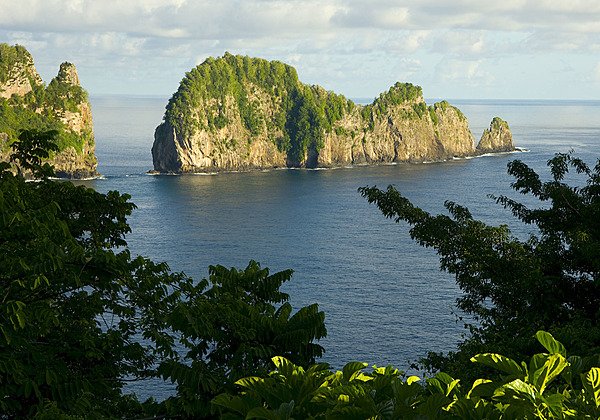
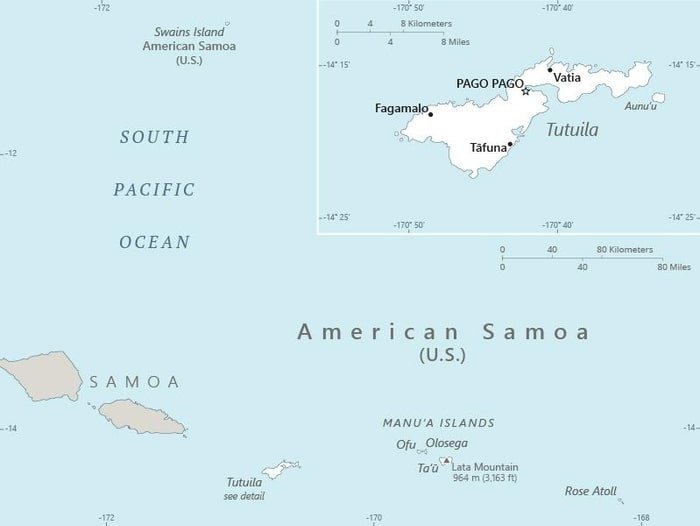
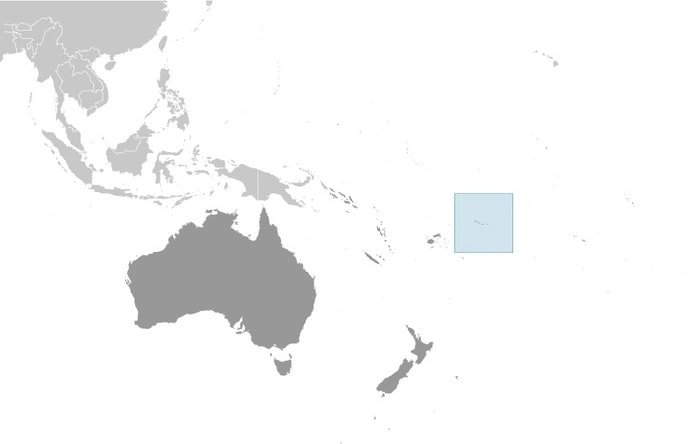
American SamoaDive into the enchanting allure of American Samoa, where vibrant culture meets breathtaking landscapes. Nestled in the heart of the South Pacific, this paradise offers lush rainforests, pristine beaches, and a rich tapestry of traditions shaped by its Polynesian heritage. From the warm smiles of the locals to the rhythmic sounds of traditional music, American Samoa invites you to immerse yourself in authentic experiences. Explore the dramatic coastlines, savor mouthwatering local dishes, and participate in lively village celebrations that showcase a deep respect for community and nature. In every corner of this idyllic destination, you'll find the perfect blend of adventure and tranquility, making it a must-visit for every wanderlust-filled spirit.
Comprehensive Travel Guide to American Samoa
General Information
- Capital City: Pago Pago
- Population: 43,895
- Currency: United States Dollar (USD)
- Time Zone: Samoa Standard Time (SST), UTC−11
- Official Languages: Samoan and English
- Dialing Code: + 684
- Driving Side: Right
American Samoa, an unincorporated U.S. territory in the South Pacific, is renowned for its pristine beaches, lush rainforests, and strong Polynesian culture. It offers a blend of natural beauty and cultural richness, perfect for those seeking an off-the-beaten-path destination.
Language and Communication
- Primary Languages: Samoan and English
- English Proficiency: Widely spoken in urban areas and by government services.
- Helpful Phrases:
- Talofa! (Hello!)
- Fa’afetai (Thank you)
- Tofa! (Goodbye!)
- O fea le…? (Where is…?)
Consider downloading offline language apps like Google Translate for additional help.
Emergency Numbers
- General Emergency (Police, Fire, Ambulance): 911
Currency and Money
- Currency: United States Dollar (USD)
- Credit Cards: Widely accepted in Pago Pago, but cash is recommended for remote areas.
- ATMs: Available in larger towns and near banks.
- Currency Exchange: Minimal options; bring USD.
It’s advisable to carry small bills for local markets and smaller establishments.
Electricity and Plugs
- Voltage: 120 V
- Frequency: 60 Hz
- Plug Types: Type A and Type B (U.S. standard plugs)
- Adapter Needed: If your country uses a different plug type.
Safety and Health
Safety
- Crime: Rare but stay cautious in public areas and avoid leaving valuables unattended.
- Natural Hazards: Be aware of potential cyclones (November to April) and strong ocean currents.
Health
- Healthcare: Limited facilities. Tafuna’s LBJ Tropical Medical Center is the main hospital.
- Vaccinations: Routine vaccinations are generally sufficient.
- Water: Bottled water is recommended.
Transportation
Public Transport
- Buses: Brightly colored “aiga” buses connect villages and are the primary mode of public transport. They’re affordable but operate without fixed schedules.
- Taxis: Available in urban areas. Negotiate the fare in advance.
Driving
- Roads are generally well-maintained, though conditions can vary in rural areas.
- A valid U.S. driver’s license or international driving permit (IDP) is required to rent a car.
Activities and Attractions
Cultural Highlights
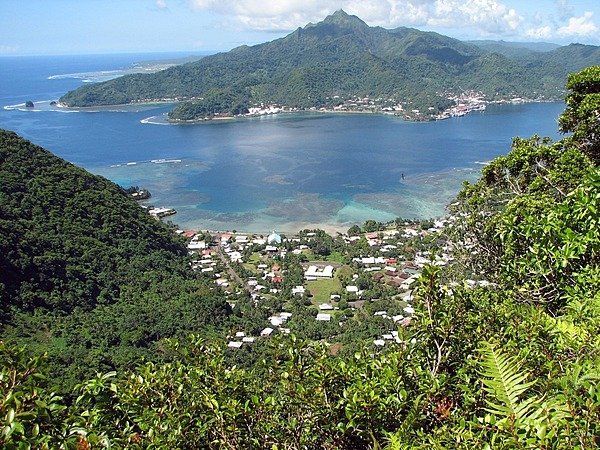
- Pago Pago: The capital offers a mix of cultural and natural attractions, including the Governor's Mansion and historic landmarks.
- Jean P. Haydon Museum: Explore artifacts showcasing Samoan history and culture.
- Traditional Villages: Experience authentic Samoan culture and hospitality.
Nature and Outdoor Adventures
- National Park of American Samoa: A stunning landscape of coral reefs, rainforests, and volcanic ridges. Ideal for hiking, snorkeling, and birdwatching.
- Ofu Beach: Renowned for its crystal-clear waters and pristine white sands.
- Mount Alava Trail: Hike to enjoy panoramic views of Pago Pago Harbor.
- Tau Island: Offers an unspoiled paradise with rich biodiversity.
Food and Cuisine
Traditional Dishes
- Palusami: Coconut cream baked in taro leaves.
- Oka I’a: Fresh fish marinated in coconut milk and lime.
- Fa’apapa: Sweet coconut bread.
- Poi: Mashed taro or breadfruit.
Dining Tips
- Most meals center around fresh seafood and tropical fruits.
- Tipping is not customary but appreciated in tourist-centric establishments.
Shopping and Souvenirs
- Handwoven Mats: A symbol of Samoan culture.
- Tapa Cloth: Handcrafted bark cloth featuring traditional designs.
- Wooden Carvings: Intricately crafted items like bowls and tools.
- Local Jewelry: Made from shells and coconut husks.
Festivals and Events
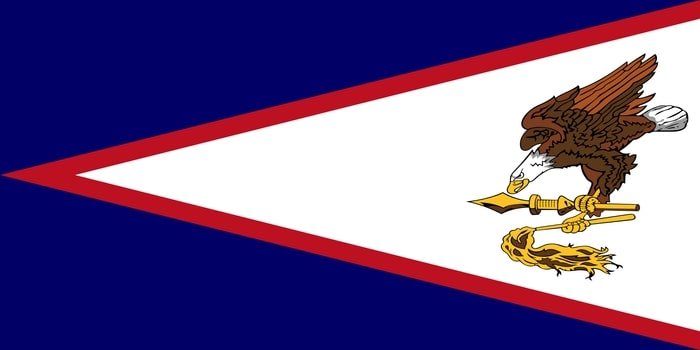
- Flag Day (April 17th): A celebration of American Samoa’s cultural and political heritage.
- Teuila Festival (September): Features dance, music, and traditional crafts.
- Fautasi Races: Traditional longboat races often held during celebrations.
Suggested Itineraries
3-Day Itinerary
- Day 1: Explore Pago Pago, visit Jean P. Haydon Museum, and enjoy a sunset at Mount Alava.
- Day 2: Day trip to the National Park of American Samoa. Hike and snorkel in pristine surroundings.
- Day 3: Relax at Ofu Beach or take a cultural tour of a traditional Samoan village.
7-Day Itinerary
- Day 1-2: Discover Pago Pago and nearby attractions.
- Day 3-4: Explore the National Park and hike Mount Alava.
- Day 5: Travel to Ofu and enjoy its serene beaches.
- Day 6: Visit Tau Island for birdwatching and nature trails.
- Day 7: Return to Pago Pago and shop for souvenirs.
Best Time to Visit
- Dry Season: May to October offers pleasant weather with less rainfall.
- Wet Season: November to April can be hot and humid, with occasional cyclones.
Connectivity
- Wi-Fi: Available in hotels and urban areas but may be slow in remote regions.
- SIM Cards: Purchase a prepaid SIM card from Bluesky or ASTCA for local connectivity.
Conclusion
American Samoa offers a unique blend of natural beauty, cultural richness, and tranquility. Whether you’re hiking through lush rainforests, snorkeling in crystal-clear lagoons, or immersing yourself in Samoan traditions, this destination promises an unforgettable experience. It’s perfect for travelers seeking adventure and authenticity away from the hustle of popular tourist hotspots.