Africa
AlgeriaDiscover the captivating allure of Algeria, a land where golden sands meet serene seas and ancient history unfolds in vibrant landscapes. From the breathtaking majesty of the Sahara Desert to the bustling streets of Algiers adorned with stunning architecture, Algeria invites you to explore its rich cultural tapestry woven with Berber, Arab, and French influences. Experience the warm hospitality of its people as you savor aromatic couscous and aromatic tagines, or venture into the lush valleys of Kabylie to witness breathtaking natural beauty. Whether you’re wandering through the crumbling ruins of Roman cities or trekking through the rugged mountains, Algeria promises an unforgettable journey that resonates with the spirit of adventure and discovery.



Comprehensive Travel Guide to Algeria
General Information
- Capital City: Algiers
- Population: 47,022,473
- Currency: Algerian Dinar (DZD)
- Time Zone: Central European Time (CET), UTC+1
- Official Language: Arabic and Berber (Tamazight)
- Dialing Code: +213
- Driving Side: Right
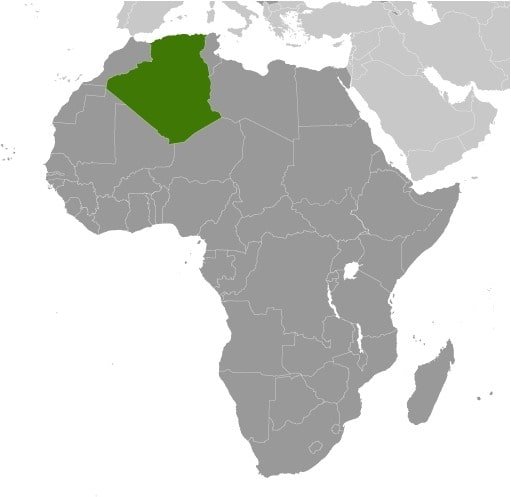
Algeria, the largest country in Africa, offers a unique blend of Mediterranean charm, Saharan landscapes, and a rich historical tapestry. From ancient Roman ruins to vibrant cities and vast deserts, Algeria is a destination waiting to be explored.
Language and Communication
- Primary Languages: Arabic and Berber
- French: Widely spoken and used in business and education.
- Helpful Phrases:
- Salam! (Hello)
- Shukran (Thank you)
- Ma’a as-salama (Goodbye)
- Kam thaman? (How much?)
It’s helpful to learn basic Arabic or French phrases. Translation apps like Google Translate can assist in communication.
Emergency Numbers
- General Emergency: 14 (Civil Protection)
- Police: 17
- Ambulance: 14
- Fire: 14
Ensure you have access to local emergency numbers during your stay.
Currency and Money
- Currency: Algerian Dinar (DZD)
- Credit Cards: Accepted in major hotels and businesses, but cash is preferred in smaller establishments.
- ATMs: Available in urban areas; ensure you carry cash for rural regions.
- Currency Exchange: Available at banks, hotels, and official exchange bureaus.
Electricity and Plugs
- Voltage: 230 V
- Frequency: 50 Hz
- Plug Types: Type C and F (European-style plugs)
- Adapter Needed: Yes, if your country uses a different plug type.
Safety and Health
- Safety:
- Crime: Generally safe but be cautious of petty crimes like pickpocketing in crowded areas.
- Travel Advisory: Avoid remote regions in the south and areas bordering Mali, Niger, and Libya.
- Health:
- Vaccinations: Hepatitis A, Typhoid, and routine vaccinations are recommended.
- Water: Drink bottled or filtered water.
- Healthcare: Medical facilities in major cities are adequate; rural areas may have limited services.
Transportation
- Public Transport:
- Trains: Operated by SNTF; connect major cities like Algiers, Oran, and Constantine.
- Buses: Widely available and affordable, though not always punctual.
- Taxis: Shared taxis (locally called "clandestine") are common; negotiate fares beforehand.
- Driving: Roads are generally good in urban areas. A 4x4 vehicle is recommended for desert travel.
Activities and Attractions
Urban Highlights
- Algiers:
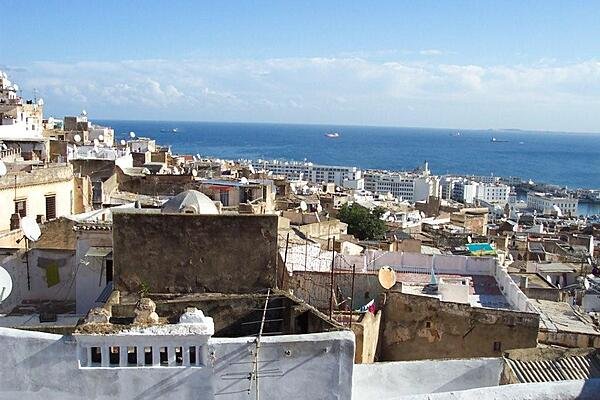
- Explore the historic Casbah of Algiers, a UNESCO World Heritage Site.
- Visit the Martyrs’ Memorial and the iconic Notre-Dame d'Afrique Basilica.
- Enjoy the Botanical Garden of Hamma.
- Oran:
- Stroll through the picturesque Corniche and visit the Santa Cruz Fort.
- Discover the vibrant music scene and local raï music culture.
- Constantine:
- Known as the “City of Bridges” for its dramatic gorges and suspension bridges.
- Visit the Ahmed Bey Palace and Emir Abdelkader Mosque.
Historical Sites
- Timgad: Explore the well-preserved Roman ruins of this ancient city.
- Djemila: A UNESCO-listed site featuring stunning Roman-era architecture.
- Ghardaïa: Part of the M’Zab Valley, renowned for its unique architecture and cultural heritage.
Nature and Adventure
- Sahara Desert:
- Visit the sand dunes of Erg Chebbi and the rock formations of Tassili n'Ajjer.
- Embark on camel treks or 4x4 desert safaris.
- Hoggar Mountains: A haven for hiking and breathtaking views of the desert landscape.
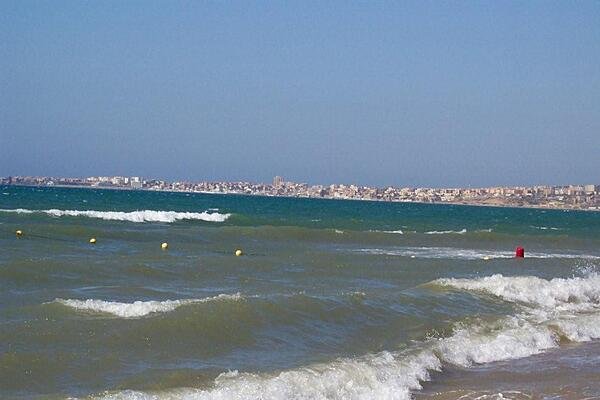
- Beaches: Enjoy the Mediterranean coast in cities like Annaba, Oran, and Bejaia.
Food and Cuisine
- Traditional Dishes:
- Couscous: A staple dish served with meat, vegetables, and sauce.
- Chakhchoukha: A spicy meat stew with torn flatbread.
- Mechoui: Slow-roasted lamb, a festive delicacy.
- Harira: A hearty soup made with lentils, chickpeas, and spices.
- Makroud: Date-filled semolina cookies.
- Dining Tips:
- Tipping is appreciated but not mandatory (5-10%).
- Alcohol is available but not widely consumed due to cultural and religious norms.
Shopping and Souvenirs
- Traditional Souvenirs:
- Berber jewelry and handicrafts.
- Handmade rugs and carpets.
- Ceramics and pottery from the Kabylie region.
- Dates, especially Deglet Nour, a prized variety.
Local markets (souks) are perfect for finding authentic items and experiencing Algerian culture.
Festivals and Events
- National Day (November 1): Celebrating Algeria’s independence movement.
- Timimoun Festival (March): A cultural celebration in the desert town.
- Eid al-Fitr and Eid al-Adha: Major Islamic festivals with traditional feasts.
Suggested Itineraries
3-Day Itinerary
- Day 1: Algiers – Casbah, Botanical Garden, and Notre-Dame d'Afrique.
- Day 2: Day trip to Tipasa – Roman ruins and Mediterranean views.
- Day 3: Explore Oran – Santa Cruz Fort and the Corniche.
7-Day Itinerary
- Day 1-2: Algiers and Tipasa.
- Day 3: Constantine – City of Bridges and Ahmed Bey Palace.
- Day 4-5: Sahara Desert – Tassili n'Ajjer and camel trekking.
- Day 6: Visit Ghardaïa and the M’Zab Valley.
- Day 7: Oran – Music, culture, and coastal beauty.
Best Time to Visit
- Spring (March-May): Mild weather, ideal for exploring cities and nature.
- Autumn (September-November): Comfortable temperatures with fewer tourists.
- Winter (December-February): Best for visiting the Sahara Desert.
Connectivity
- Wi-Fi: Available in hotels and urban areas.
- SIM Cards: Purchase prepaid SIMs from operators like Mobilis, Djezzy, or Ooredoo.
- Useful Apps:
- Google Maps for navigation.
- Algerian Railways app for train schedules.
Conclusion
Algeria, with its unique mix of history, culture, and natural beauty, is a destination that promises an unforgettable journey. Whether you’re wandering through Roman ruins, traversing the Sahara, or enjoying the vibrant cities, Algeria offers experiences that cater to every traveler’s interest. Its warm hospitality and rich traditions make it a must-visit for those seeking authentic adventure.