Comprehensive Travel Guide to Jan Mayen
General Information
- Location: Arctic Ocean, between Norway and Greenland
- Status: Territory of Norway
- Capital City: None (Administered from Norway)
- Population: ~18 (Military and Meteorological Personnel Only)
- Currency: Norwegian Krone (NOK)
- Time Zone: UTC +1 (CET), UTC +2 (CEST in Summer)
- Official Language: Norwegian
- Dialing Code: +47 (Norway)
- Driving Side: Right
Overview
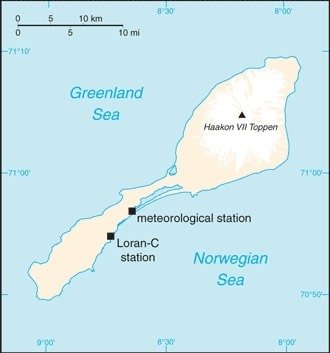
Jan Mayen is a remote volcanic island in the Arctic Ocean, belonging to Norway. It is home to the Beerenberg volcano, one of the northernmost active volcanoes in the world. The island is uninhabited except for Norwegian military and meteorological personnel, and access is highly restricted. Despite its harsh conditions, Jan Mayen is a destination for researchers and extreme adventure enthusiasts.
Language and Communication
- Primary Language: Norwegian
- Communication: Limited; satellite communication is required.
- Internet & Mobile Networks: None available for public use.
Emergency and Safety Considerations
- Rescue Services: Limited; nearest major settlement is Svalbard or mainland Norway.
- Medical Facilities: Basic medical support available for stationed personnel.
- Harsh Environment: Extreme cold, strong winds, and unpredictable weather.
- Strict Environmental Protections: All visitors must follow Norwegian environmental laws.
Currency and Money
- Currency: Norwegian Krone (NOK)
- Payment Methods: Not applicable—no commercial activity or businesses.
Electricity and Plugs
- Power Supply: Diesel-generated electricity at military and meteorological stations.
- Voltage & Frequency: 230V, 50Hz (European standard)
- Plug Type: Type C & F
Safety and Health
- Extreme Climate: Freezing temperatures, frequent storms, and ice-covered landscapes.
- Wildlife Hazards: Arctic foxes and seabird colonies.
- Isolation: No commercial transport links; strict regulations for visits.
Transportation
- Access: No commercial airports, harbors, or public transport.
- How to Get There:
- Norwegian Military Flights: Rarely available and strictly controlled.
- Research Expeditions: Special permits required.
- Private Boats/Yachts: Rare visits, weather-dependent.
Shopping & Souvenirs
- None: There are no shops, markets, or commercial establishments.
Festivals & Events
- None: No permanent population to host events.
Activities & Attractions
Natural Wonders
- Beerenberg Volcano: The northernmost active volcano on Earth.
- Glaciers and Ice Fields: Stunning Arctic landscapes.
- Seabird Colonies: Home to puffins, guillemots, and other Arctic birds.
Scientific Research & Conservation
- Climate and Meteorological Studies: Key research station for Arctic weather patterns.
- Geological Research: Study of volcanic activity and Arctic formations.
Suggested Itineraries
5-Day Scientific Expedition Itinerary (For Authorized Researchers Only)
Day 1: Arrival & Base Setup
- Land via Norwegian military transport.
- Acclimate to Arctic conditions and establish research stations.
Day 2: Geological and Volcanic Studies
- Survey Beerenberg volcano and collect geological samples.
Day 3: Wildlife Observation
- Monitor Arctic bird colonies and local fauna.
Day 4: Climate Research
- Conduct meteorological studies and document climate change effects.
Day 5: Departure & Conservation Compliance
- Pack up equipment, ensure zero environmental impact, and depart.
Best Time to Visit
- Limited to Research Expeditions (Weather Dependent, Typically May – August)
- Slightly milder temperatures (-5°C to 5°C / 23°F - 41°F).
- Less ice coverage allows better accessibility.
Connectivity
- Wi-Fi & Mobile Networks: None.
- Satellite Communication: Required for emergency contact.
- Radio Communication: Used by stationed personnel and researchers.
Travel Tips
Government Permits Required: Only authorized research or military visits are allowed.
Extreme Survival Gear: Arctic gear, insulation, and emergency supplies are essential.
Bring All Supplies: Food, water, and medical necessities must be self-supplied.
Respect Conservation Rules: No waste disposal, no wildlife disturbance, and strict adherence to Norwegian environmental laws.
Prepare for No Rescue Services: The nearest help is thousands of kilometers away.
Conclusion
Jan Mayen is one of the most isolated and extreme environments on Earth. While not open to tourism, it remains a crucial site for Arctic research and conservation. With its rugged landscapes, active volcano, and pristine wildlife habitats, the island serves as a unique scientific outpost. Only qualified researchers, military personnel, and government officials are permitted to visit under strict Norwegian regulations.