Australia and Oceania
Kingman ReefKingman Reef, a hidden gem in the North Pacific, invites adventurous souls to discover its remarkable yet untamed beauty. Surrounded by vibrant coral reefs that teem with marine life, this unspoiled territory offers an unparalleled glimpse into the delicate balance of nature. Once a military stronghold, its rich history now intertwines with the serene serenity of its landscape, ideal for those seeking solitude and reflection amidst breathtaking views. Wander through untouched shores where seabirds nest and feel the allure of an ecosystem that thrives under robust conservation efforts. For the bold traveler or researcher, Kingman Reef stands as a testament to the wonders of our natural world, waiting to be explored.

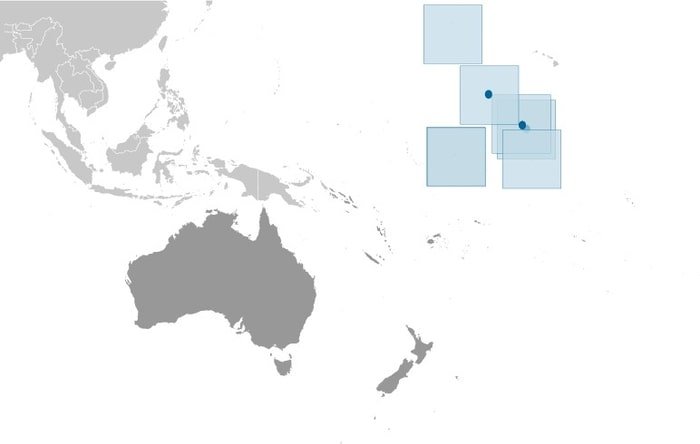
Comprehensive Travel Guide to Kingman Reef
General Information
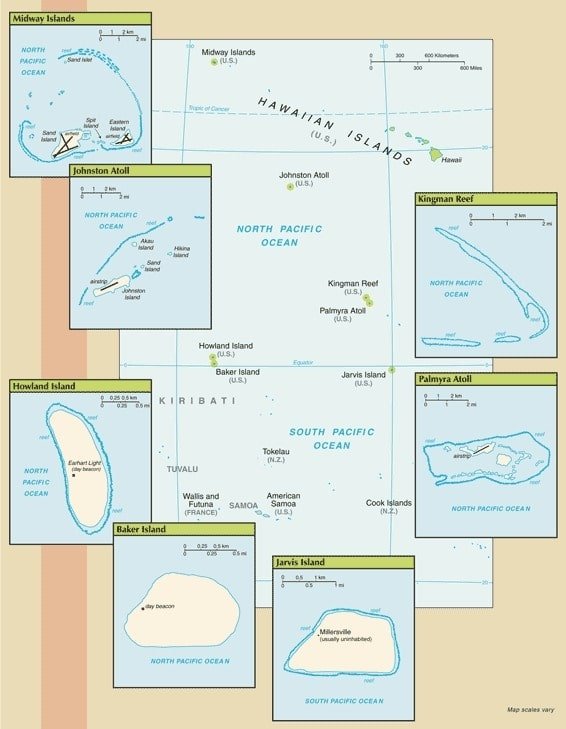
Location: North Pacific Ocean
Status: Unincorporated U.S. Territory (Managed as a National Wildlife Refuge)
Capital City: None (Uninhabited)
Population: 0 (No permanent inhabitants)
Currency: United States Dollar (USD)
Time Zone: UTC -11 (Kingman Reef Time)
Official Language: English
Dialing Code: N/A (No telecommunications infrastructure)
Driving Side: N/A (No roads)
Overview
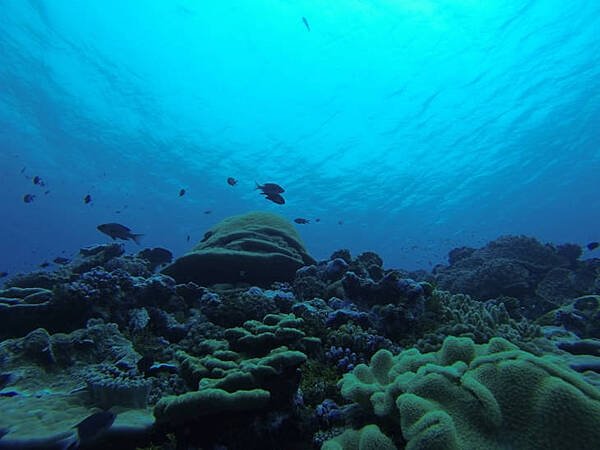
Kingman Reef is an uninhabited, submerged coral atoll located in the North Pacific Ocean. It is one of the most remote U.S. territories and is designated as part of the Pacific Remote Islands Marine National Monument. The reef provides a pristine marine habitat but has no emergent land suitable for habitation. Access is restricted, with only scientific researchers and U.S. government personnel permitted entry.
Language and Communication
Primary Language: English
Communication: No mobile network, internet, or permanent communication infrastructure.
Radio Communication: Used by scientific and environmental teams.
Emergency and Safety Considerations
Rescue Services: Extremely limited—the nearest inhabited location is over 1,600 km away.
Medical Facilities: None—visitors must be entirely self-sufficient.
Harsh Environment: No freshwater sources, limited land area, and strong ocean currents.
Strict Environmental Protections: Fishing, collecting, or altering the ecosystem is strictly prohibited.
Navigation Hazards: The reef poses significant risks to vessels due to its submerged structure and strong surrounding currents.
Currency and Money
Currency: United States Dollar (USD)
Payment Methods: Not applicable—no commercial activity or businesses.
Electricity and Plugs
Power Supply: None—expeditions bring their own generators or solar power.
Voltage & Frequency: 120V, 60Hz (U.S. standard) if electricity is used.
Plug Type: Type A/B (U.S. standard) if generators are used.
Safety and Health
Extreme Climate: Hot, humid conditions with no natural shelter.
Wildlife Hazards: Presence of sharks and other marine predators.
Isolation: No rescue services or medical facilities—self-sufficiency is essential.
Environmental Protection Laws: No waste disposal, food imports, or human impact allowed.
Transportation
Access: No airports, harbors, or permanent transport infrastructure.
How to Get There:
U.S. Government Research Expeditions: Conducted by the U.S. Fish and Wildlife Service.
Private Boats/Yachts: Requires a special permit from the U.S. Fish and Wildlife Service.
No Commercial Flights or Ferries.
Shopping & Souvenirs
None: There are no shops, markets, or commercial establishments.
Festivals & Events
None: The reef is uninhabited and has no cultural or social events.
Activities & Attractions
Historic Significance
Naval and Military Usage:
Used as a stopover point for transpacific flights in the early 20th century.
Strategically monitored during World War II but never developed into a base.
Wildlife & Natural Wonders
Seabirds:
Home to migratory seabirds such as terns and frigatebirds.
Marine Life:
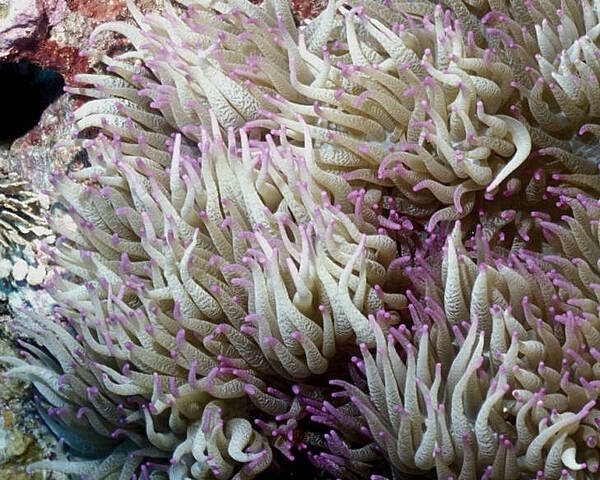
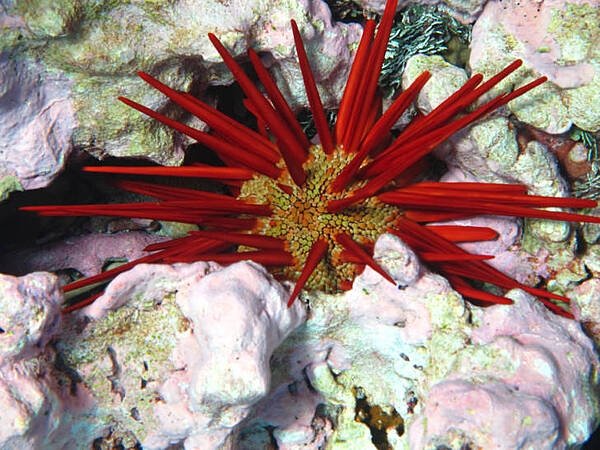
Pristine coral reef ecosystem with sharks, sea turtles, and diverse fish species.
Flora:
No significant terrestrial plant life due to the submerged nature of the reef.
Scientific Research & Conservation
Protected Marine Ecosystem: A critical habitat for coral reefs and marine biodiversity.
Bird Nesting Sites: Key breeding grounds for migratory seabirds.
Climate Studies: Used for monitoring the effects of climate change and ocean health.
Suggested Itineraries
5-Day Scientific Expedition Itinerary (For Authorized Researchers Only)
Day 1: Arrival & Equipment Setup
Arrive via research vessel.
Deploy temporary monitoring equipment.
Day 2: Wildlife Observation & Marine Studies
Observe seabird populations and nesting behaviors.
Conduct surveys of marine species and coral reef health.
Day 3: Environmental Data Collection
Study the impact of ocean currents on reef erosion.
Collect water samples for climate research.
Day 4: Underwater Research & Ecosystem Monitoring
Perform deep-sea biodiversity studies.
Document effects of rising sea levels on the reef.
Day 5: Departure & Conservation Compliance
Ensure all research equipment is retrieved.
Return to Hawaii or other research stations via ship.
10-Day Advanced Research Mission (For Marine Biologists & Conservationists)
Day 1-2: Arrival & Setup
Arrive via research vessel and establish temporary monitoring stations.
Day 3-4: Seabird Population Studies
Observe nesting patterns and track migratory routes.
Document species presence and abundance.
Day 5-6: Coral Reef & Marine Biodiversity Surveys
Conduct underwater ecosystem assessments.
Record temperature and salinity changes affecting marine life.
Day 7-8: Climate Change & Ocean Studies
Deploy climate monitoring instruments.
Analyze reef adaptation to environmental stressors.
Day 9-10: Pack Up & Departure
Finalize research documentation.
Ensure all equipment is removed to prevent ecological contamination.
Best Time to Visit
Limited to Research Expeditions (Weather Dependent, Typically May – September)
Reduced storm risk in the Pacific Ocean.
Favorable sea conditions for marine research.
Connectivity
Wi-Fi & Mobile Networks: None.
Satellite Communication: Required for emergency contact.
Radio Communication: Used for scientific expeditions.
Travel Tips
Government Permits Required: Only authorized U.S. research expeditions can visit.
Survival Gear Essential: Hydration, shade, and navigation tools are necessary.
Self-Sufficient Supplies: All food, water, and medical equipment must be carried.
Respect Conservation Laws: Do not disturb wildlife, remove waste, or introduce foreign species.
Prepare for No Rescue Services: The nearest help is over 1,600 km away.
Conclusion
Kingman Reef is one of the most isolated and ecologically pristine locations on Earth. With no land suitable for habitation, it remains an untouched marine sanctuary under strict U.S. protection. Its rich coral ecosystem and role in climate studies make it a valuable site for research, though access is highly restricted. Only qualified researchers and government personnel may visit under stringent conservation regulations.