Africa
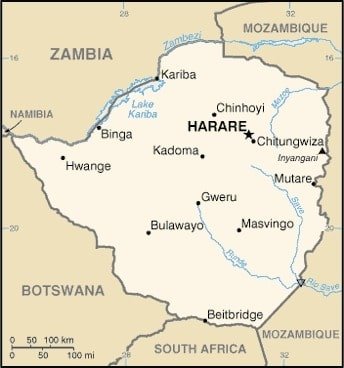
ZimbabweDiscover the enchanting landscapes of Zimbabwe, a land where the wild meets the majestic, offering a tapestry of experiences that will leave you breathless. Venture into the heart of nature at Hwange National Park, home to a thriving elephant population and vibrant wildlife, or marvel at the iconic Victoria Falls, where the roar of cascading water creates a symphony of natural wonder. Engage with the rich culture and history found in the bustling markets of Harare, where local artisans showcase their crafts, or explore the ancient ruins of Great Zimbabwe, a testament to the country’s storied past. With its warm hospitality and diverse adventures, Zimbabwe invites women travelers to create unforgettable memories in this captivating corner of Africa.



Comprehensive Travel Guide to Zimbabwe
General Information
- Capital City: Harare
- Population: 17,150,352
- Currency: Zimbabwe Dollar (ZWL) and US Dollar (USD) commonly used
- Time Zone: Central Africa Time (CAT), UTC+2
- Official Languages: English, Shona, Ndebele (16 recognized languages)
- Dialing Code: +263
- Driving Side: Left
Zimbabwe, located in southern Africa, is a land of stunning natural beauty, rich history, and vibrant culture. From the thundering Victoria Falls to the wildlife-rich Hwange National Park, Zimbabwe offers unique experiences for every traveler.
Language and Communication
- Primary Languages: English (official), Shona, and Ndebele are the most commonly spoken.
- Helpful Phrases:
- Hello: “Mhoro” (Shona) / “Salibonani” (Ndebele)
- Thank you: “Ndatenda” (Shona) / “Ngiyabonga” (Ndebele)
- How are you?: “Makadii?” (Shona) / “Unjani?” (Ndebele)
- Goodbye: “Sara zvakanaka” (Shona) / “Hamba kahle” (Ndebele)
Learning a few phrases in Shona or Ndebele can enhance your experience and show respect for the local culture.
Emergency Numbers
- Police: 995, 999
- Ambulance: 994, 999
- Fire Services: 993, 999
- Mobile phones: 112
Currency and Money
- Currency Used:
- Zimbabwe Dollar (ZWL) is the official currency, but the US Dollar (USD) is widely accepted.
- Credit Cards: Accepted in major cities, but cash is preferred in smaller towns and rural areas.
- ATMs: Limited functionality; it's advisable to carry cash.
- Currency Exchange: Available at banks and exchange bureaus.
Be cautious about using ATMs due to potential scams and limited cash availability.
Electricity and Plugs
- Voltage: 220 V
- Frequency: 50 Hz
- Plug Types: Type D and G
- Adapter Needed: Yes, if your devices use a different plug type.
Safety and Health
Safety
- Zimbabwe is generally safe for tourists, but caution is advised in urban areas.
- Avoid walking alone at night, especially in Harare.
- Political demonstrations can occur; avoid large gatherings.
Health
- Healthcare: Basic healthcare is available in cities; rural areas have limited facilities.
- Vaccinations: Recommended vaccinations include Hepatitis A, Hepatitis B, Typhoid, and Yellow Fever (if traveling from an endemic area).
- Malaria Risk: High in many areas; take preventive measures such as antimalarial medication and insect repellent.
- Water: Drink bottled or boiled water; avoid tap water.
Travel insurance, including coverage for medical evacuation, is essential.
Transportation
- Domestic Flights: Available between major cities and tourist destinations like Victoria Falls.
- Roads: Major highways are in reasonable condition, but rural roads may be challenging.
- Car Rentals: Available in cities; a 4x4 vehicle is recommended for national parks.
- Public Transport: Minibuses are common but can be overcrowded and unreliable.
Activities and Attractions
Natural Wonders
- Victoria Falls: Known as “Mosi-oa-Tunya” (The Smoke That Thunders), this UNESCO World Heritage Site is one of the Seven Natural Wonders of the World.
- Zambezi River: Offers thrilling activities like white-water rafting, canoeing, and sunset cruises.
- Matobo Hills: Famous for its unique rock formations, ancient San rock art, and rhino tracking.
National Parks and Wildlife
- Hwange National Park: Zimbabwe’s largest national park, home to elephants, lions, and other wildlife.
- Mana Pools National Park: Known for its canoe safaris and walking safaris along the Zambezi River.
- Gonarezhou National Park: Part of the Great Limpopo Transfrontier Park, offering remote and wild landscapes.
Cultural and Historical Sites
- Great Zimbabwe Ruins: Ancient stone city and UNESCO World Heritage Site, showcasing the country's rich history.
- Khami Ruins: Another historical site with remnants of pre-colonial civilization.
- Bulawayo: Visit the Natural History Museum and the Railway Museum for a glimpse into Zimbabwe’s past.
Food and Cuisine
Traditional Dishes
- Sadza: Staple maize meal porridge served with vegetables, meat, or peanut butter sauce.
- Nyama: Meat, often grilled or stewed, paired with sadza.
- Kapenta: Small dried fish, a popular snack or meal component.
- Mopane Worms: A delicacy rich in protein, often fried or cooked in tomato sauce.
Dining Tips
- Tipping is appreciated in restaurants (5-10%).
- Local eateries offer authentic dishes at affordable prices.
Shopping and Souvenirs
- Stone Sculptures: Shona stone carvings are world-renowned.
- Basketry: Handwoven baskets made by local artisans.
- Traditional Fabrics: Vibrant and colorful cloth used for clothing and decorations.
- Jewelry: Crafted from copper, silver, and semi-precious stones.
Visit markets in Harare and Victoria Falls for unique souvenirs.
Festivals and Events
- Harare International Festival of the Arts (HIFA): Annual celebration of music, dance, and theater.
- Victoria Falls Carnival: A three-day New Year’s event with live music and cultural performances.
- Jikinya Dance Festival: Showcasing traditional dances from across Zimbabwe.
Suggested Itineraries
3-Day Itinerary
Day 1: Explore Victoria Falls and take a sunset cruise on the Zambezi River.
Day 2: Safari in Hwange National Park.
Day 3: Visit the Great Zimbabwe Ruins.
7-Day Itinerary
Day 1-2: Discover Harare and its cultural sites.
Day 3-4: Safari in Mana Pools National Park.
Day 5-6: Experience Victoria Falls and adventure activities.
Day 7: Explore Matobo Hills and Bulawayo.
Best Time to Visit
- Dry Season (May-October): Best for wildlife viewing and exploring Victoria Falls with reduced spray.
- Wet Season (November-April): Lush landscapes and vibrant birdlife, though some roads may be inaccessible.
Connectivity
- Wi-Fi: Available in hotels and some cafes but may be slow in rural areas.
- SIM Cards: Purchase local SIMs from Econet, NetOne, or Telecel for mobile data.
- Apps to Download:
- Google Maps
- EcoCash (for mobile payments)
- Zimbabwe Travel Guide
Conclusion
Zimbabwe is a land of contrasts, offering everything from awe-inspiring natural wonders to rich cultural experiences. Whether you’re marveling at the mighty Victoria Falls, trekking through wildlife-rich national parks, or exploring ancient ruins, Zimbabwe provides unforgettable adventures. Prepare for a journey that combines beauty, history, and unparalleled hospitality.