Africa
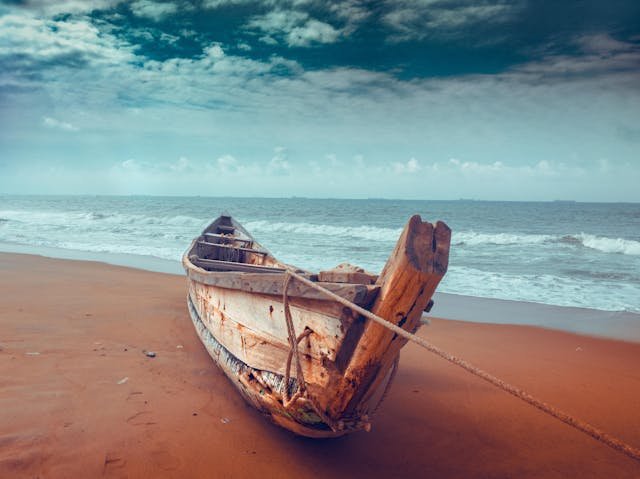
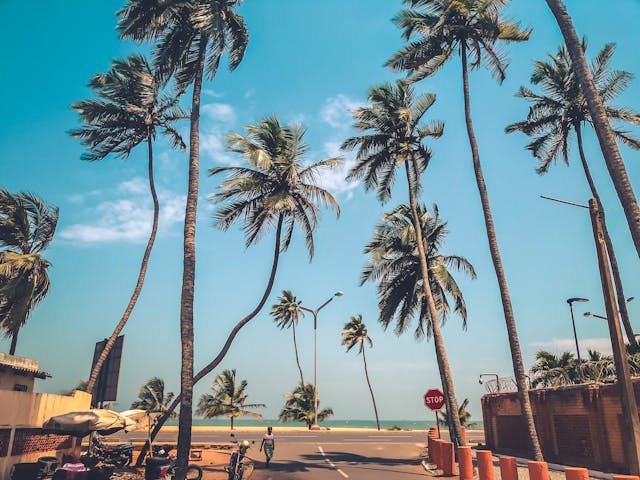
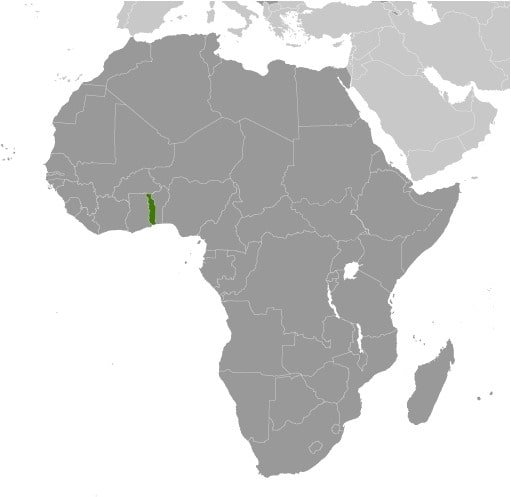
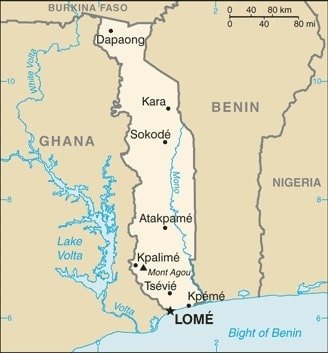
TogoNestled between the vibrant cultures of Ghana and Benin, Togo is a hidden gem waiting to be discovered, where lush landscapes meet rich traditions that speak to the heart of every traveler. From the bustling markets of Lomé, where the aroma of spices fills the air, to the serene beaches lining the Atlantic coast, Togo offers an endless tapestry of experiences. Explore ancient villages that echo with stories of resilience and artistry, or hike through the breathtaking hills of the Koutammakou region, a UNESCO World Heritage site renowned for its unique architecture and cultural significance. With warm hospitality and a vibrant blend of flavors, Togo invites women adventurers to immerse themselves in its charm and create unforgettable memories in this fascinating corner of West Africa.


Comprehensive Travel Guide to Togo
General Information
- Capital City: Lomé
- Population: 8,917,994
- Currency: West African CFA Franc (XOF)
- Time Zone: GMT +0
- Official Language: French
- Dialing Code: +228
- Driving Side: Right
Togo, a small West African nation, is known for its diverse landscapes, vibrant culture, and rich history. From pristine beaches to rolling hills and wildlife-filled savannas, Togo offers an exciting mix of adventure and relaxation for travelers.
Language and Communication
- Primary Language: French (official language)
- Commonly Spoken Languages: Ewe, Kabiyé, Mina, and other indigenous languages.
- Helpful Phrases:
- Hello: Bonjour
- Thank You: Merci
- How are you?: Comment ça va?
- Excuse Me: Excusez-moi
- Yes/No: Oui/Non
Emergency Numbers
- Police: 117
- Fire: 118
- Ambulance: 8200
Currency and Money
- Currency: West African CFA Franc (XOF)
- ATMs: Available in major cities like Lomé, Kara, and Sokodé.
- Credit Cards: Accepted in urban areas but cash is preferred in rural regions.
- Currency Exchange: Available at banks and exchange offices in major cities.
Electricity and Plugs
- Voltage: 220V
- Frequency: 50 Hz
- Plug Types: Type C and E (European-style plugs).
- Adapter Needed: Yes, if your devices use a different plug type.
Safety and Health
Safety
- Togo is generally safe, but petty theft can occur in busy areas.
- Avoid traveling alone at night, especially in unfamiliar locations.
- Be cautious in border areas due to occasional unrest.
Health
- Recommended Vaccinations: Yellow fever (mandatory), Hepatitis A and B, Typhoid, and routine immunizations.
- Malaria: High risk; carry antimalarial medication and use insect repellent.
- Water Safety: Drink bottled or boiled water.
Transportation
Public Transport
- Buses: Reliable for intercity travel; operators include Kara Transport and RIT.
- Taxis: Available in cities, fares should be negotiated before the ride.
- Motorbike Taxis (Zemidjans): Common and affordable but require caution.
Driving
- Road Conditions: Main roads are paved but rural roads can be rough.
- Car Rentals: Available in Lomé; 4WD is recommended for rural travel.
Activities and Attractions
Urban Highlights
- Lomé: Explore Grand Marché (market), Independence Monument, and the National Museum.
- Kpalimé: A scenic town with waterfalls and hiking trails nearby.
- Sokodé: A cultural hub with traditional festivals and vibrant markets.
Natural Wonders
- Koutammakou: A UNESCO World Heritage Site home to the Batammariba people and their unique mud houses.
- Tamberma Valley: Stunning traditional architecture and cultural heritage.
- Fazao-Malfakassa National Park: Rich in wildlife including elephants and antelopes.
- Lake Togo: Ideal for boat rides and bird-watching.
- Togoville: A historic town linked to Togo’s colonial past.
Beaches
- Lomé Beach: Relaxing spot along the coastline.
- Aneho Beach: Known for its serene atmosphere and traditional fishing villages.
- Roberts Beach: Offers great sunset views and water activities.
Food and Cuisine
Traditional Dishes
- Fufu: A starchy dish made from yam or cassava, served with soups.
- Akume: A maize-based porridge, often paired with sauces.
- Grilled Tilapia: Freshwater fish commonly enjoyed with spicy condiments.
- Koklo Meme: Spicy grilled chicken, a local delicacy.
- Pate: A cornmeal dish served with peanut or vegetable sauce.
Dining Tips
- Street food is a great way to experience local flavors.
- Tipping is appreciated but not mandatory (5-10%).
Shopping and Souvenirs
- Handwoven Fabrics: Traditional Togolese textiles.
- Wooden Carvings: Representing local folklore and culture.
- Beaded Jewelry: Beautiful handmade accessories.
- Spices and Local Honey: Authentic flavors to take home.
Festivals and Events
- Evala Festival (July): A traditional wrestling festival in the north.
- Gadao-Adossa Festival (April): A grand celebration by the Tem people in Sokodé.
- Voodoo Festival (January 10th): Celebrated in Togoville, featuring cultural dances and rituals.
- Independence Day (April 27): National celebrations with parades and festivities.
Suggested Itineraries
3-Day Itinerary
- Day 1: Explore Lomé’s Grand Marché, National Museum, and Lomé Beach.
- Day 2: Visit Togoville and enjoy Lake Togo.
- Day 3: Head to Kpalimé for nature hikes and waterfalls.
7-Day Itinerary
- Day 1-2: Experience Lomé’s cultural and historical sites.
- Day 3-4: Explore Kpalimé and its surroundings.
- Day 5: Visit Aneho and relax on the beach.
- Day 6: Take a trip to Koutammakou.
- Day 7: Return to Lomé for shopping and nightlife.
Best Time to Visit
- Dry Season (November - April): Best for sightseeing and outdoor activities.
- Rainy Season (May - October): Lush landscapes but some roads may be challenging.
Connectivity
- Wi-Fi: Available in hotels and cafes in urban areas.
- SIM Cards: Purchase from providers like Togocel or Moov.
Conclusion
Togo is a hidden gem in West Africa, offering a unique blend of cultural heritage, natural beauty, and warm hospitality. Whether you're exploring vibrant markets, hiking to waterfalls, or relaxing on the beach, Togo promises an unforgettable experience for travelers.