East and Southeast Asia
TaiwanNestled in the heart of East and Southeast Asia, Taiwan is a vibrant tapestry of rich traditions and modern innovation, offering travelers a unique blend of bustling night markets, serene temples, and breathtaking landscapes. With its friendly locals eager to share their love for exquisite cuisine and stunning scenery, from the majestic peaks of Taroko Gorge to the tranquil shores of Sun Moon Lake, Taiwan invites women to explore a world where culture and adventure converge. Whether indulging in the famous bubble tea or hiking along scenic trails, every corner of this island nation promises a journey filled with memorable experiences and inspiring discoveries, making Taiwan an essential stop on your travel journey.
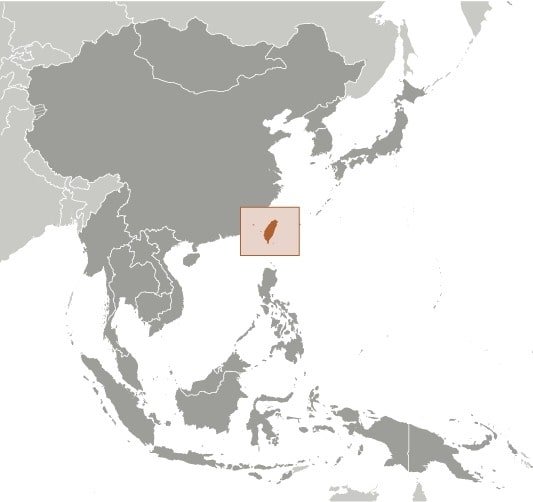
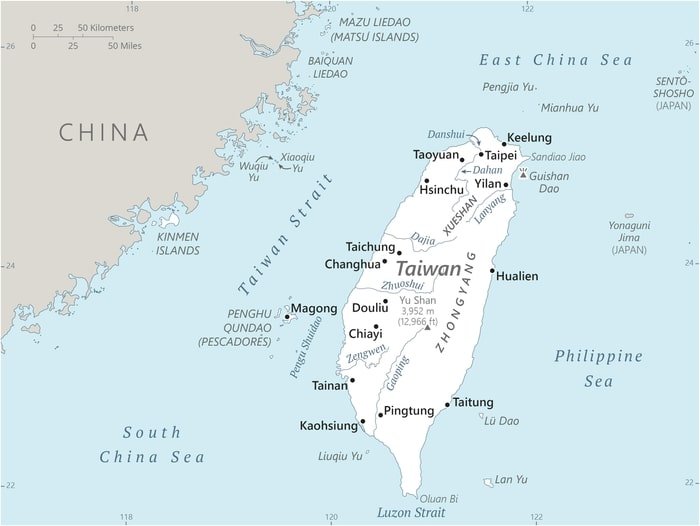
Comprehensive Travel Guide to Taiwan
General Information
- Capital City: Taipei
- Population: 23,595,274
- Currency: New Taiwan Dollar (TWD)
- Time Zone: Taiwan Standard Time (TST), UTC +8
- Official Language: Mandarin Chinese
- Dialing Code: +886
- Driving Side: Right
Taiwan is an island nation known for its vibrant cities, lush mountains, beautiful coastline, and rich cultural heritage. It's a unique blend of traditional Chinese culture and modern innovation.
Language and Communication
- Primary Language: Mandarin Chinese
- Commonly Spoken Languages: Taiwanese Hokkien, Hakka, and indigenous Austronesian languages.
- Helpful Phrases:
- Hello: 你好 (Nǐ hǎo)
- Thank You: 謝謝 (Xièxiè)
- How much is this?: 這個多少錢?(Zhège duōshǎo qián?)
- Excuse Me: 對不起 (Duìbùqǐ)
- Yes/No: 是/不是 (Shì/Bùshì)
Emergency Numbers
- Police: 110
- Fire and Ambulance: 119
Currency and Money
- Currency: New Taiwan Dollar (TWD)
- ATMs: Widely available, often multilingual.
- Credit Cards: Accepted in urban areas and major establishments.
- Currency Exchange: Available at airports, banks, and authorized currency exchange offices.
Electricity and Plugs
- Voltage: 110 V
- Frequency: 60 Hz
- Plug Types: A and B (similar to the US).
- Adapter Needed: Yes, if your devices use a different plug type or voltage.
Safety and Health
Safety
- Taiwan is one of the safest destinations in the world, with low crime rates.
- Avoid unmarked taxis; stick to reputable transportation.
- Be cautious of typhoon season (June to October).
Health
- Healthcare is excellent; travel insurance is recommended.
- Recommended vaccinations: Routine vaccines, Hepatitis A and B, and Typhoid.
- Tap water is safe in urban areas but drink bottled water when in doubt.
Transportation
Public Transport
- MRT (Mass Rapid Transit): Efficient in cities like Taipei and Kaohsiung.
- Buses: Extensive network; some routes may require understanding Chinese.
- High-Speed Rail (HSR): Connects major cities along the western coast.
Taxis and Ridesharing
- Taxis are metered; Uber is available in Taipei and major cities.
Driving
- International Driving Permit (IDP) is required for foreign drivers.
- Roads are well-maintained, but traffic in cities can be congested.
Activities and Attractions
Urban Highlights
- Taipei:
- Taipei 101: Iconic skyscraper with stunning views.
- National Palace Museum: World-class Chinese art collection.
- Night Markets: Shilin and Raohe are must-visits for street food.
- Kaohsiung:
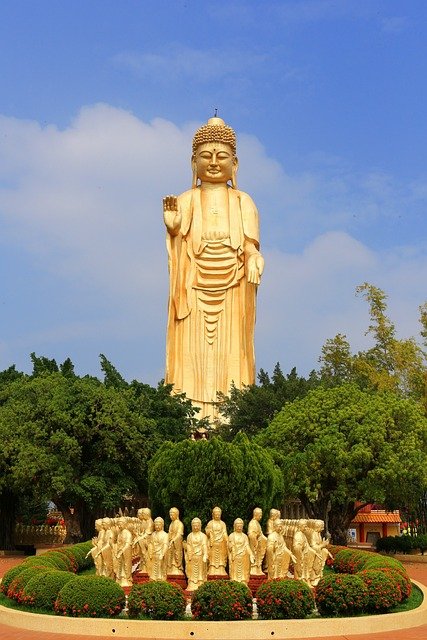
- Fo Guang Shan Monastery: A serene Buddhist temple.
- Love River: Perfect for evening strolls.
- Taichung:
- Rainbow Village: A vibrant, artistic village.
- National Taichung Theater: Architectural marvel.
Natural Wonders
- Taroko Gorge: A breathtaking marble canyon with hiking trails.
- Sun Moon Lake: Scenic lake with cycling paths and temples.
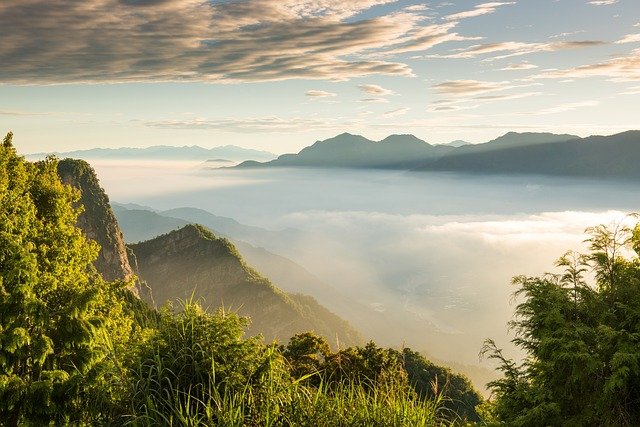
- Alishan National Scenic Area: Famous for sunrise views and cherry blossoms.
- Kenting National Park: Tropical beaches and marine activities.
Cultural Experiences
- Tea ceremonies in Maokong.
- Indigenous festivals celebrating the island's Austronesian heritage.
Beaches
- Fulong Beach: Known for its golden sand and festivals.
- Baishawan Beach: Quiet, clean, and family-friendly.
- Kenting Beaches: Best for water sports and nightlife.
Food and Cuisine
Traditional Dishes
- Beef Noodle Soup: Taiwan’s comfort food.
- Xiao Long Bao: Steamed soup dumplings.
- Braised Pork Rice: Flavorful and hearty.
- Oyster Omelet: A street food favorite.
- Bubble Tea: Taiwan’s global culinary contribution.
Dining Tips
- Tipping is not common but appreciated in upscale restaurants.
- Explore night markets for affordable and authentic dishes.
Shopping and Souvenirs
- Night Markets: Great for snacks and inexpensive goods.
- Souvenirs:
- Pineapple Cakes: Sweet pastries filled with pineapple jam.
- Taiwanese Tea: Oolong and high-mountain teas are renowned.
- Jade Jewelry: Symbol of prosperity.
Festivals and Events
- Chinese New Year (January/February): Celebrations with dragon dances and lanterns.
- Pingxi Lantern Festival (February): Sky lanterns fill the night sky.
- Dragon Boat Festival (June): Boat races and sticky rice dumplings.
- Mid-Autumn Festival (September): Celebrated with mooncakes and lanterns.
Suggested Itineraries
5-Day Itinerary
- Day 1: Explore Taipei (Taipei 101, National Palace Museum, Shilin Night Market).
- Day 2: Day trip to Jiufen and Shifen (tea houses and lantern release).
- Day 3: Visit Taroko Gorge (hiking and scenic views).
- Day 4: Relax at Sun Moon Lake (cycling and temple visits).
- Day 5: Return to Taipei for shopping and dining.
10-Day Itinerary
- Days 1-2: Taipei highlights and Jiufen/Shifen day trip.
- Day 3: Taroko Gorge exploration.
- Days 4-5: Sun Moon Lake and Alishan (sunrise train ride).
- Day 6: Kaohsiung (Fo Guang Shan and Love River).
- Day 7: Kenting National Park (beaches and water sports).
- Day 8: Taichung (Rainbow Village and markets).
- Day 9: Hualien (nature and relaxation).
- Day 10: Return to Taipei.
Best Time to Visit
- Spring (March-May): Mild weather and cherry blossoms.
- Autumn (September-November): Comfortable temperatures and clear skies.
- Summer (June-August): Typhoon season; humid but ideal for beach trips.
- Winter (December-February): Cooler weather; great for hot springs.
Connectivity
- Wi-Fi: Widely available in urban areas and public transport.
- SIM Cards: Purchase from Chunghwa Telecom, Taiwan Mobile, or FarEasTone.
Conclusion
Taiwan offers a perfect blend of natural beauty, culinary delights, and vibrant urban culture. Whether exploring Taipei’s night markets, hiking through Taroko Gorge, or sipping tea in a mountain village, Taiwan has something for every traveler. Its friendly locals and efficient infrastructure make it an easy and enjoyable destination to explore.