Middle East
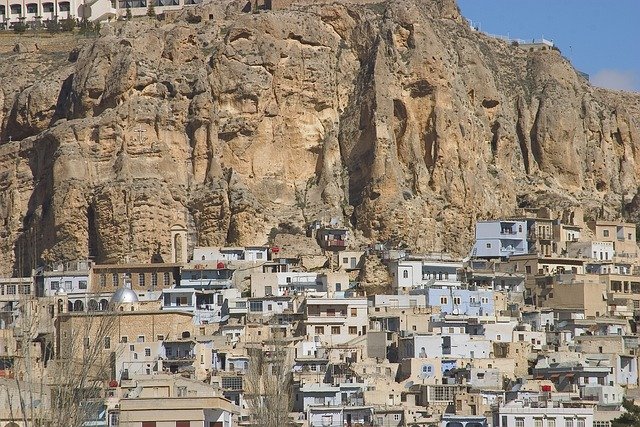
SyriaSyria, a land brimming with a profound history and a tapestry of vibrant cultures, invites adventurous souls to delve into its ancient ruins, lively markets, and stunning landscapes, ranging from the captivating Old City of Aleppo, designated as a UNESCO World Heritage site, to the tranquil allure of the Euphrates River and the remarkable architecture of Damascus, which is celebrated as one of the oldest continuously inhabited cities on the planet; here, you can immerse yourself in the genuine warmth of Syrian hospitality while savoring traditional culinary delights, uncovering hidden treasures that lie off the beaten path, and engaging with the resilient spirit of a nation that has so much to reveal to those who dare to embark on an extraordinary journey.



Comprehensive Travel Guide to Syria
Overview
Syria, located at the crossroads of the Middle East, is a land of rich history, stunning ancient ruins, and diverse cultural traditions. Despite the recent challenges, Syria remains a destination of great historical and cultural significance. From the ancient city of Damascus to the ruins of Palmyra, it offers glimpses into a fascinating past.
Important Note: Before planning a trip to Syria, consult your government’s travel advisory as the country is still recovering from conflict. Safety conditions can vary, and travel may not always be advisable.
General Information
- Capital City: Damascus
- Largest City: Aleppo
- Population: 23,865,423
- Currency: Syrian Pound (SYP)
- Time Zone: Eastern European Time (EET), UTC +2 (Daylight Saving Time: UTC +3)
- Official Language: Arabic
- Dialing Code: +963
- Driving Side: Right
Language and Communication
- Official Language: Arabic.
- English and French: Often spoken in urban and tourist areas, especially among younger people and educated locals.
Helpful Phrases:
- Hello: Marhaba (مرحبا)
- Thank You: Shukran (شكراً)
- Please: Min Fadlak/Fadlik (من فضلك)
- Yes/No: Na’am/La (نعم/لا)
Emergency Numbers
- Police: 112
- Ambulance: 110
- Fire Brigade: 113
Currency and Money
- Currency: Syrian Pound (SYP).
- ATMs: Limited availability and unreliable due to sanctions and infrastructure challenges.
- Credit Cards: Rarely accepted; cash is essential.
- Currency Exchange: Preferably at official exchange offices or banks.
Electricity and Plugs
- Voltage: 220 V
- Frequency: 50 Hz
- Plug Types: Type C, E, and L
- Adapter Needed: Yes, for travelers from countries with different plug types.
Best Time to Visit
- Spring (March to May): Mild weather, ideal for exploring historical sites.
- Autumn (September to November): Comfortable temperatures and clear skies.
- Avoid Summer (June to August): Extremely hot, especially in desert areas.
- Winter (December to February): Cold in the mountains, but milder in coastal areas.
Top Attractions
Damascus
- Old City: A UNESCO World Heritage Site with ancient architecture, mosques, and souks.
- Umayyad Mosque: One of the oldest and most important mosques in Islam.
- Azem Palace: A fine example of traditional Damascene architecture.
- Straight Street: A historic thoroughfare mentioned in the Bible.
Aleppo
- Aleppo Citadel: A massive medieval fortress that dominates the city.
- Souq al-Madina: One of the Middle East’s largest covered markets (restoration ongoing).
Palmyra
- Temple of Bel: A grand structure dedicated to ancient gods (partially destroyed but still significant).
- Roman Theater: A remarkably preserved Roman-era amphitheater.
- Valley of the Tombs: Intriguing ancient burial sites.
Homs
- Krak des Chevaliers: A Crusader castle and UNESCO World Heritage Site, among the best-preserved in the world.
- Old Clock Tower: A city landmark.
Latakia
- Ugarit Ruins: The birthplace of the alphabet, with ancient temples and palaces.
- Beaches: Relax along the Mediterranean coast.
Hama
- Norias of Hama: Giant wooden water wheels, some dating back to the 12th century.
- Old City: Traditional Islamic architecture and charming narrow streets.
Bosra
- Roman Theater: An incredibly well-preserved amphitheater made of black basalt.
- Ancient Ruins: Includes Roman baths, basilicas, and mosques.
Suggested Itineraries
5-Day Itinerary: Highlights of Syria
Day 1: Damascus
- Explore the Old City, including the Umayyad Mosque and Azem Palace.
- Stroll through Souq al-Hamidiyah for local crafts and food.
Day 2: Aleppo
- Visit the Citadel and Souq al-Madina.
- Enjoy traditional Syrian cuisine in a local restaurant.
Day 3: Palmyra
- Discover the ruins of the Temple of Bel and the Roman Theater.
Day 4: Hama and Krak des Chevaliers
- See the Norias of Hama and tour the impressive Crusader castle.
Day 5: Latakia
- Visit the Ugarit ruins and relax on the Mediterranean coast.
10-Day Itinerary: In-Depth Syria
Day 1-2: Damascus
- Explore historic sites, local markets, and the National Museum of Damascus.
Day 3-4: Aleppo
- Discover the Citadel, old markets, and local neighborhoods.
Day 5: Palmyra
- Explore the UNESCO-listed ruins and the Valley of the Tombs.
Day 6: Homs and Krak des Chevaliers
- Visit this iconic Crusader castle and nearby landmarks.
Day 7: Hama
- Marvel at the ancient water wheels and visit the old city.
Day 8: Bosra
- Tour the Roman Theater and ancient ruins.
Day 9-10: Latakia
- Relax on the beaches and explore the archaeological treasures at Ugarit.
Festivals and Events
- Damascus International Fair (September): A cultural and trade exhibition with music, art, and crafts.
- Eid al-Fitr and Eid al-Adha: Major Islamic holidays celebrated with feasts and family gatherings.
- Christmas and Easter: Observed by Christian communities with special church services.
Activities and Adventures
- Desert Safaris: Explore the vast Syrian Desert near Palmyra.
- Cultural Tours: Discover ancient ruins, mosques, and traditional markets.
- Culinary Experiences: Savor local dishes like kebabs, hummus, and baklava.
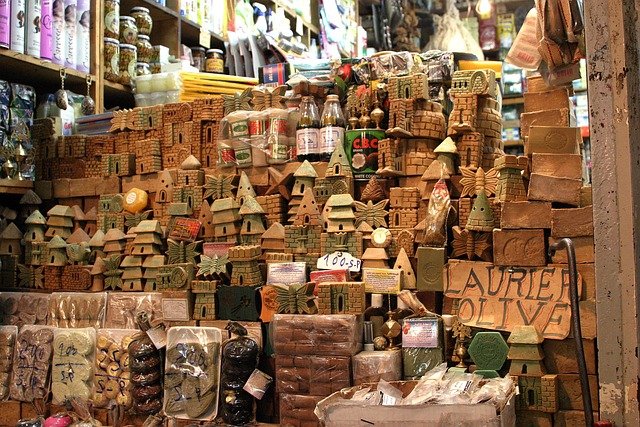
- Handicraft Shopping: Buy traditional textiles, ceramics, and jewelry in souks.
Food and Cuisine
Syrian cuisine is flavorful and diverse, influenced by Middle Eastern and Mediterranean traditions.
- Must-Try Dishes:
- Kibbeh: Ground meat mixed with bulgur and spices.
- Tabbouleh: A refreshing parsley and bulgur salad.
- Fatteh: Layers of bread, yogurt, and meat or chickpeas.
- Shawarma: Grilled meat served in pita bread.
- Desserts:
- Baklava: Sweet pastries filled with nuts and honey.
- Knafeh: A cheese-based dessert with syrup.
- Drinks:
- Ayran: Yogurt-based drink.
- Arabic Coffee: Strong and spiced.
Transportation
- Trains and Buses: Limited and sometimes unreliable; private taxis are a common alternative.
- Domestic Flights: Available between major cities like Damascus and Aleppo.
- Car Rentals: Possible but challenging due to road conditions and navigation.
Safety and Health
- Safety: The situation in Syria can be unpredictable; check current travel advisories.
- Health: Bring any necessary medications and bottled water. Medical facilities may be limited outside major cities.
- Vaccinations: Ensure routine vaccinations are up to date.
Conclusion
Syria is a land of extraordinary history and cultural significance. While travel is currently limited, it holds immense potential for those seeking to explore the roots of civilization. For now, always prioritize safety and consider alternatives like virtual tours or cultural exhibitions showcasing Syria’s heritage.