South America
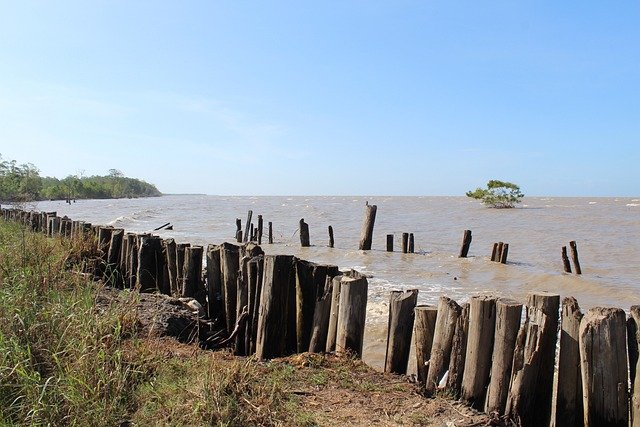
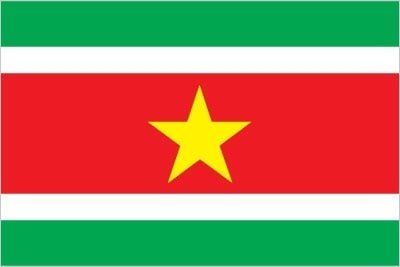
SurinameSuriname, a hidden gem in South America, invites the adventurous spirit to explore its lush rainforests, vibrant cultures, and rich biodiversity, making it a must-visit destination for those seeking an off-the-beaten-path experience. From the pulsating rhythms of its indigenous heritage to the tranquil sounds of nature in its sprawling national parks, Suriname offers travelers a unique blend of history and wilderness. Enjoy vibrant markets brimming with local crafts, savor the exquisite flavors of Creole and Indian cuisine, and immerse yourself in the warmth of its welcoming communities. This enchanting land promises unforgettable encounters, whether you're trekking through the verdant jungle or relaxing by the serene rivers, all while connecting with the essence of South America.



Comprehensive Travel Guide to Suriname
Overview
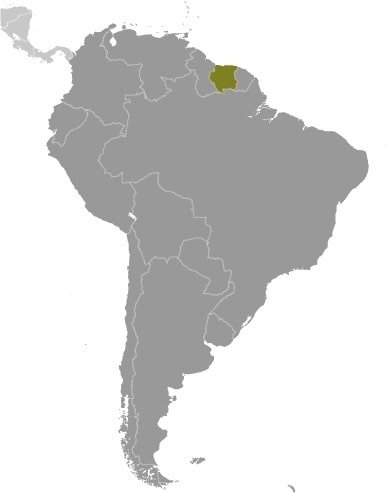
Suriname, nestled on South America’s northeastern coast, is a haven for eco-tourism, cultural diversity, and unique history. With lush rainforests, a vibrant capital city, and a fascinating blend of cultures including Indigenous, African, Indian, and Dutch influences, Suriname offers an off-the-beaten-path experience for adventurous travelers.
General Information
- Capital City: Paramaribo
- Population: 646,758
- Currency: Surinamese Dollar (SRD)
- Time Zone: Suriname Time (SRT), UTC -3
- Official Language: Dutch
- Dialing Code: +597
- Driving Side: Left
Language and Communication
- Official Language: Dutch
- Other Spoken Languages: Sranan Tongo (Creole), Javanese, Hindi, Portuguese, and English.
- Helpful Phrases:
- Hello: Hallo
- Thank You: Dank je wel
- How are you?: Hoe gaat het met je?
- Yes/No: Ja/Nee
- Excuse Me: Pardon
Emergency Numbers
- Police: 115
- Fire: 110
- Ambulance: 113
Currency and Money
- Currency: Surinamese Dollar (SRD)
- ATMs: Widely available in cities but limited in rural areas.
- Credit Cards: Accepted in most urban hotels, restaurants, and shops.
- Currency Exchange: U.S. dollars and Euros are commonly exchanged at banks and exchange offices.
Electricity and Plugs
- Voltage: 127/220 V
- Frequency: 60 Hz
- Plug Types: Type A, B, C, and F
- Adapter Needed: Yes, depending on your country of origin.
Best Time to Visit
- Dry Seasons: February to April and August to November. These are the best times for trekking and wildlife spotting.
- Rainy Seasons: May to July and December to January. Rainforests are lush, but expect heavy downpours.
Top Attractions
Paramaribo (Capital City)
- Historic Inner City: A UNESCO World Heritage Site featuring colonial wooden architecture.
- Fort Zeelandia: A 17th-century Dutch fort.
- Waterkant: Vibrant riverside promenade with cafes and restaurants.
- St. Peter and Paul Cathedral: The largest wooden cathedral in the Western Hemisphere.
Nature Reserves and National Parks
- Brownsberg Nature Park: Known for hiking trails, waterfalls, and stunning views of the Brokopondo Reservoir.
- Central Suriname Nature Reserve: A UNESCO World Heritage Site with untouched rainforests and exotic wildlife.
- Galibi Nature Reserve: Famous for nesting leatherback and green sea turtles.
- Peperpot Nature Park: Ideal for birdwatching and exploring old plantation ruins.
Cultural Sites and Villages
- Commewijne River District: Tour former sugar plantations and historical villages.
- Maroon Villages: Experience the culture of Maroons, descendants of escaped enslaved Africans.
- Jodensavanne: Ruins of a 17th-century Jewish settlement.
Suggested Itineraries
5-Day Itinerary: The Essentials of Suriname
This itinerary is perfect for first-time visitors seeking a mix of culture and nature.
Day 1: Paramaribo
- Explore the Historic Inner City and its colonial buildings.
- Visit Fort Zeelandia and the Waterkant.
- Dine on local dishes like pom or saoto soup at a riverside restaurant.
Day 2: Commewijne River District
- Take a boat tour to Frederiksdorp and Rust en Werk plantations.
- Learn about Suriname’s colonial history and enjoy birdwatching.
Day 3: Peperpot Nature Park
- Hike through lush trails to spot birds, monkeys, and other wildlife.
- Explore the ruins of a coffee plantation.
Day 4: Brownsberg Nature Park
- Enjoy hiking, birdwatching, and visits to waterfalls like Leo Falls.
- Relish panoramic views of the Brokopondo Reservoir.
Day 5: Galibi Nature Reserve
- Take a boat trip to Galibi.
- Witness nesting sea turtles (seasonal) and relax on serene beaches.
10-Day Itinerary: In-Depth Exploration
This extended itinerary takes you deeper into Suriname’s culture and natural wonders.
Day 1-2: Paramaribo
- Same activities as the 5-day itinerary.
- Add a visit to St. Peter and Paul Cathedral and the Central Market.
Day 3: Peperpot Nature Park
- Spend the morning hiking and wildlife spotting.
- Visit nearby villages for a cultural experience.
Day 4-5: Brownsberg Nature Park and Brokopondo Reservoir
- Stay overnight at Brownsberg.
- Enjoy extended hikes to lesser-known waterfalls and lookout points.
- Visit the Brokopondo Reservoir for fishing or kayaking.
Day 6-7: Central Suriname Nature Reserve
- Join a guided jungle expedition.
- Spot exotic wildlife like jaguars, macaws, and giant river otters.
- Visit Raleighvallen Falls for breathtaking views.
Day 8: Galibi Nature Reserve
- Take a boat ride to Galibi to see nesting turtles.
- Relax on the pristine beaches and visit local Indigenous communities.
Day 9: Commewijne River District
- Explore more plantations and enjoy the serene countryside.
Day 10: Maroon Villages
- Visit Maroon communities to learn about their history and traditions.
- Participate in cultural activities like drumming and dancing.
Festivals and Events
Suriname’s cultural diversity is reflected in its vibrant festivals and events.
- Owru Yari (New Year’s Eve): A lively celebration with fireworks, parades, and music in Paramaribo.
- Phagwa (Holi): Celebrated in March, this Hindu festival features colorful powder, music, and dancing.
- Keti Koti (July 1): Commemorates the abolition of slavery with parades and cultural performances.
- Maroon Day (October 10): Honors the heritage of the Maroon community with traditional ceremonies and dances.
- Javanese Wayang Kulit Performances: Traditional shadow puppet shows.
- Suriname Jazz Festival (October): Features local and international jazz artists in Paramaribo.
Activities and Adventures
- Wildlife Safaris: Spot jaguars, monkeys, and exotic birds in nature reserves.
- River Tours: Explore mangroves, coastal areas, and the mighty Suriname River.
- Fishing: Popular in Brokopondo Reservoir and other rivers.
- Cultural Immersion: Visit Maroon and Amerindian villages for an authentic experience.
- Trekking: Adventure into dense rainforests with guided tours.
Food and Cuisine
Suriname’s cuisine is a mix of cultures, offering diverse and flavorful dishes.
Must-Try Dishes:
- Pom: A baked dish made with chicken and grated taro root.
- Saoto Soup: A Javanese chicken soup with rice and boiled eggs.
- Roti: Served with curried chicken or vegetables.
- Bara: Lentil fritters with spicy chutneys.
- Peanut Soup: Creamy and hearty with African influences.
Dining Tips:
- Try street food for authentic flavors.
- Visit local markets for tropical fruits like rambutan and guava.
Transportation
Getting Around
- Taxis: Common in cities but negotiate fares.
- Buses: Inexpensive but with limited schedules.
- Car Rentals: Ideal for rural exploration.
Domestic Travel
- Flights: Small planes connect Paramaribo to remote areas.
- Boats: Essential for exploring riverine communities.
Safety and Health
- Suriname is generally safe, but exercise caution in rural areas and avoid walking alone at night in cities.
- Recommended vaccinations include yellow fever, typhoid, and Hepatitis A.
- Use mosquito repellent to prevent malaria and dengue.
Conclusion
Suriname is a gem for travelers seeking authentic cultural experiences, lush rainforests, and a blend of old-world charm and adventure. Whether exploring UNESCO-listed Paramaribo, trekking through the Amazonian jungle, or immersing in the vibrant traditions of its diverse communities, Suriname promises a unique and unforgettable journey.