Europe
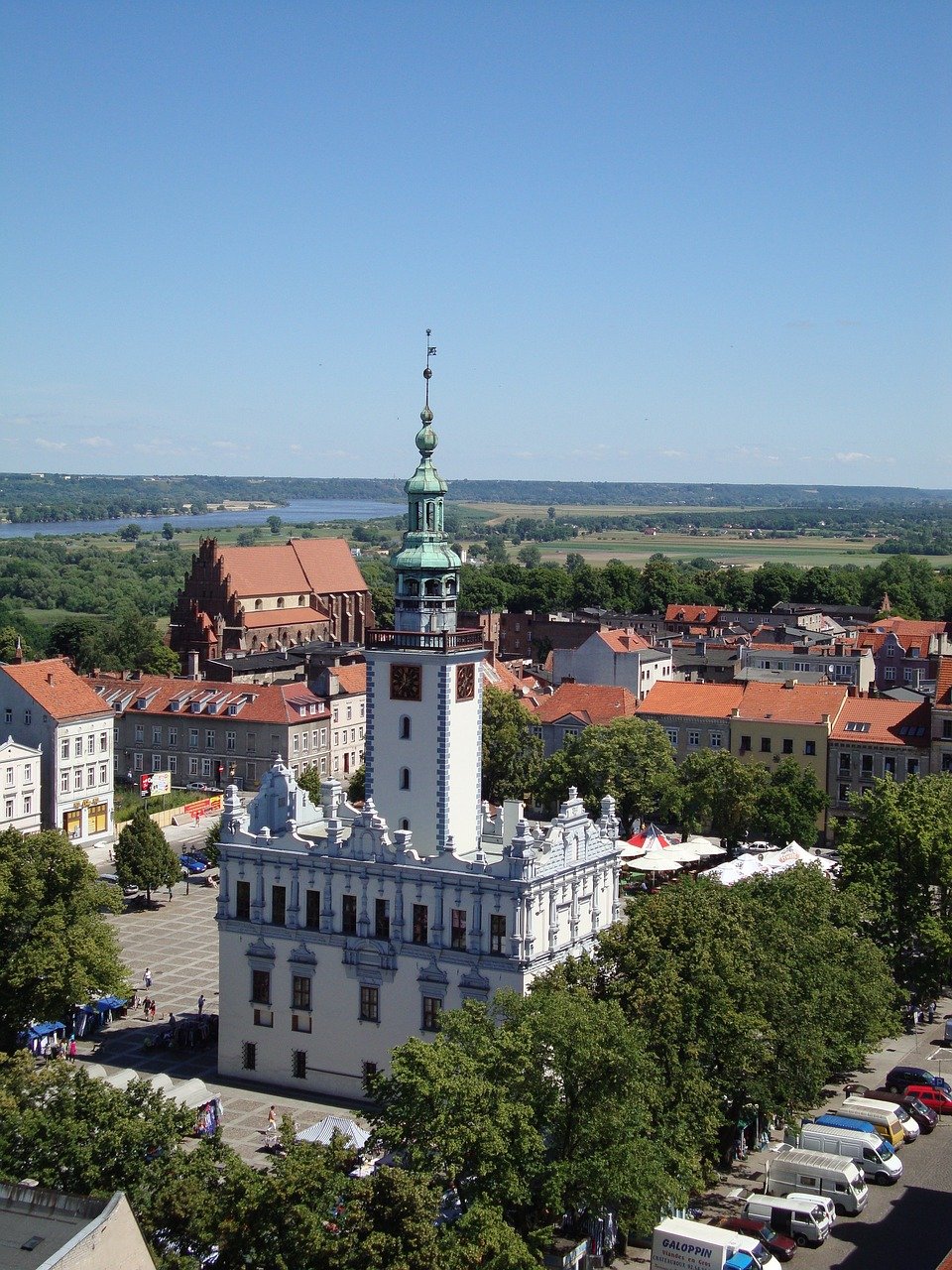
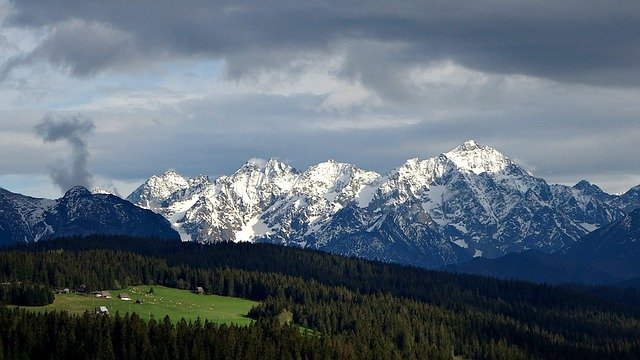
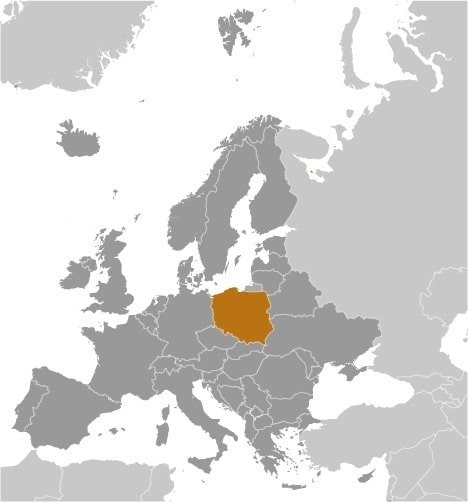
PolandPoland captivates with its rich history and vibrant culture, inviting travelers to explore its charming cities like Warsaw and Kraków, where ancient architecture meets modern life. Discover medieval castles, historic markets, and moving World War II memorials while enjoying the stunning landscapes of the Tatra Mountains and Baltic Sea. Indulge in traditional dishes like pierogi and bigos, and experience the lively café culture. Festivals celebrate music and local traditions, offering a glimpse into the warmth of Polish hospitality. Whether wandering Gdańsk's cobblestone streets or enjoying folk dances in rural villages, Poland promises unforgettable memories and a chance to immerse yourself in its artistic heritage and captivating scenery.


Comprehensive Travel Guide to Poland
General Information
- Capital City: Warsaw
- Population: 38,746,310
- Currency: Polish Złoty (PLN)
- Time Zone: Central European Time (CET), UTC +1 (Daylight Saving Time: UTC +2)
- Official Language: Polish
- Dialing Code: +48
- Driving Side: Right
- Overview:
Poland is a land of rich history, medieval architecture, and picturesque landscapes. From the historic cities of Kraków and Gdańsk to the natural beauty of the Tatra Mountains and Masurian Lakes, Poland is a destination for culture, adventure, and relaxation.
Language and Communication
- Primary Language: Polish
- Commonly Spoken Foreign Languages: English (especially among younger people and in tourist areas), German, Russian.
- Helpful Phrases:
- Hello: Cześć (cheshch)
- Thank You: Dziękuję (jen-koo-yeh)
- Please: Proszę (pro-sheh)
- Excuse Me: Przepraszam (pshe-pra-sham)
- Yes/No: Tak/Nie
Emergency Numbers
- European Emergency Number: 112
- Police: 997, 112
- Fire Brigade: 998, 112
- Ambulance: 999, 112
Currency and Money
- Currency: Polish Złoty (PLN)
- ATMs: Widely available in cities and towns.
- Credit Cards: Accepted in most urban establishments; cash may be needed in rural areas.
- Currency Exchange: Look for Kantor (exchange offices) for good rates.
Electricity and Plugs
- Voltage: 230 V
- Frequency: 50 Hz
- Plug Types: Type C and E (European-style plugs).
- Adapter Needed: Yes, if your devices use a different plug type.
Safety and Health
- Safety Tips:
- Poland is generally safe, but beware of pickpockets in crowded areas.
- Use licensed taxis or ride-hailing apps like Bolt.
- Follow local laws and cultural norms.
- Health Recommendations:
- Vaccinations: Routine immunizations are sufficient.
- Tap Water: Generally safe to drink, though bottled water is common.
Transportation
- Public Transport:
- Trains: Reliable and extensive network, with options ranging from regional to high-speed (e.g., Pendolino).
- Buses: Affordable and widely available; intercity services are run by companies like FlixBus.
- Trams and Metro: Available in cities like Warsaw, Kraków, and Wrocław.
- Taxis and Ride-Sharing:
- Use apps like Bolt or Uber for fair pricing.
- Driving:
- Roads are well-maintained, but traffic in major cities can be heavy.
- An international driver’s license may be required.
Activities and Attractions
Urban Highlights
- Warsaw:
- Old Town: A UNESCO World Heritage Site rebuilt after WWII.
- Royal Castle and Łazienki Park: Iconic landmarks.
- Warsaw Uprising Museum: Offers insights into Poland's WWII history.
- Kraków:
- Wawel Castle: A stunning historic complex.
- Rynek Główny: Europe’s largest medieval market square.
- Kazimierz District: The historic Jewish quarter.
- Gdańsk:
- Long Market: A picturesque street with colorful architecture.
- Museum of the Second World War: A must-visit for history enthusiasts.
Natural Wonders
- Tatra Mountains:
- Ideal for hiking, skiing, and scenic cable car rides to Mount Kasprowy Wierch.
- Masurian Lakes:
- Perfect for sailing, kayaking, and relaxation.
- Białowieża Forest:
- A UNESCO World Heritage Site and home to European bison.
- Wieliczka Salt Mine:
- A subterranean marvel featuring intricate carvings and chapels.
Historical Sites
- Auschwitz-Birkenau:
- A somber but essential visit to understand the horrors of the Holocaust.
- Malbork Castle:
- The largest castle in the world by land area and a UNESCO site.
- Jasna Góra Monastery:
- A spiritual pilgrimage site housing the Black Madonna icon.
Food and Cuisine
- Signature Dishes:
- Pierogi: Dumplings stuffed with various fillings like cheese, meat, or fruit.
- Bigos: A hearty stew of sauerkraut and meat.
- Żurek: A sour rye soup with sausage and egg.
- Kiełbasa: Traditional Polish sausages.
- Pączki: Sweet, filled doughnuts.
- Drinks:
- Vodka: A staple, with brands like Belvedere and Żubrówka.
- Kompot: A fruit-based non-alcoholic drink.
- Beer: Try regional brews like Tyskie or Żywiec.
- Dining Tips:
- Tipping is customary (10-15%).
- Restaurants may include service charges in tourist areas.
Shopping and Souvenirs
- What to Buy:
- Amber Jewelry: Especially from the Baltic region.
- Pottery: Hand-painted ceramics from Bolesławiec.
- Traditional Costumes: Regional garments or patterns.
- Vodka: Premium Polish vodka as a gift.
- Wooden Crafts: Folk art and carved items.
- Where to Shop:
- Large malls like Galeria Krakowska or Złote Tarasy.
- Local markets and boutique stores in historic districts.
Festivals and Events
- Wianki Festival (June):
- Celebrated in Kraków with music and traditional wreath-making.
- All Saints’ Day (November 1):
- A poignant day of remembrance with beautifully lit cemeteries.
- St. Dominic’s Fair (July-August):
- A historic fair in Gdańsk with stalls, performances, and crafts.
- Christmas Markets (December):
- Magical markets in cities like Kraków, Wrocław, and Warsaw.
Suggested Itineraries
3-Day Itinerary
- Day 1: Explore Warsaw’s Old Town, Łazienki Park, and museums.
- Day 2: Take a train to Kraków; visit Wawel Castle and the Main Square.
- Day 3: Tour the Wieliczka Salt Mine or Auschwitz-Birkenau Memorial.
7-Day Itinerary
- Day 1-2: Explore Warsaw’s landmarks and enjoy its vibrant nightlife.
- Day 3-4: Visit Kraków, including Wawel Castle and Kazimierz.
- Day 5: Take a day trip to Auschwitz-Birkenau or Zakopane in the Tatra Mountains.
- Day 6: Explore Gdańsk and its historic waterfront.
- Day 7: Relax by the Masurian Lakes or visit Malbork Castle.
Best Time to Visit
- Spring (April-June): Mild weather, blooming landscapes, and fewer tourists.
- Summer (July-August): Warm, with festivals and outdoor activities.
- Autumn (September-October): Scenic foliage and cooler temperatures.
- Winter (November-March): Ideal for Christmas markets and skiing.
Connectivity
- Wi-Fi: Widely available in hotels, cafes, and public spaces.
- SIM Cards: Purchase from providers like Orange, Play, or T-Mobile for affordable data.
Travel Tips
- Public transportation is efficient; consider a rail pass for extended travel.
- Book tickets in advance for popular attractions like Auschwitz or Wieliczka Salt Mine.
- Dress modestly when visiting religious sites.
- Carry some cash, especially in rural areas.
- Learn basic Polish phrases to enhance your interactions with locals.
Conclusion
Poland is a captivating mix of history, culture, and natural beauty. Whether you're exploring its medieval towns, relaxing in its scenic countryside, or savoring its hearty cuisine, Poland promises a memorable journey for all types of travelers.