East and Southeast Asia
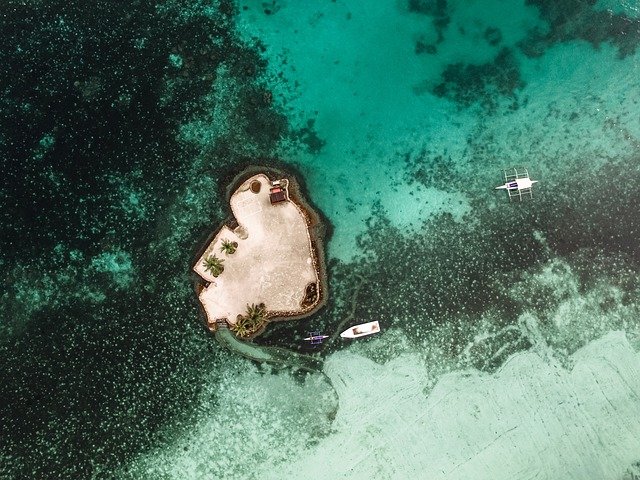
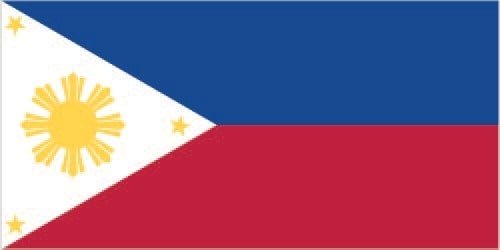
PhilippinesThe Philippines invites you to discover its enchanting archipelago, where vibrant cities meet pristine beaches and lush landscapes. With over 7,000 islands, each offering its own unique charm, you can immerse yourself in a tapestry of culture and adventure. From the bustling streets of Manila, rich with tradition and modern flair, to the serene shores of Boracay and the stunning rice terraces of Banaue, this tropical paradise promises unforgettable experiences. Dive into crystal-clear waters teeming with marine life, trek through breathtaking mountain trails, or simply unwind in the warmth of Filipino hospitality. The Philippines is not just a destination; it's a celebration of life, beauty, and community waiting to be explored.


Comprehensive Travel Guide to the Philippines
General Information
- Capital City: Manila
- Population: 118,277,063
- Currency: Philippine Peso (PHP)
- Time Zone: Philippine Standard Time (PST), UTC +8
- Official Languages: Filipino (Tagalog) and English
- Dialing Code: +63
- Driving Side: Right
- Overview:
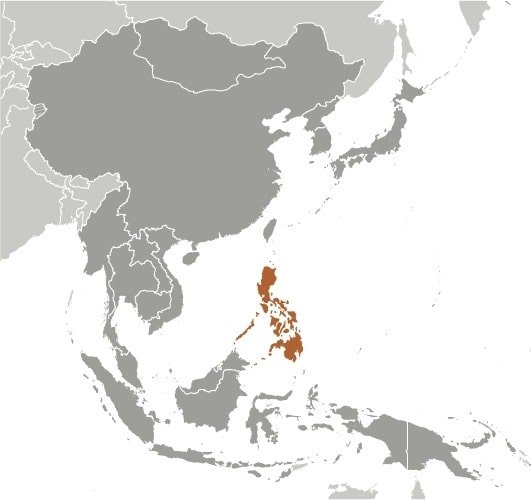
The Philippines is an archipelago of over 7,600 islands in Southeast Asia, known for its breathtaking beaches, vibrant culture, and warm hospitality. From bustling urban centers to serene tropical paradises, it’s a destination for every kind of traveler.
Language and Communication
- Primary Languages: Filipino (Tagalog) and English
- Commonly Spoken Regional Languages: Cebuano, Ilocano, Hiligaynon, Waray, and others.
- Helpful Phrases:
- Hello: Kumusta
- Thank You: Salamat
- How much is this?: Magkano ito?
- Excuse Me: Paumanhin
- Yes/No: Oo/Hindi
Emergency Numbers
- Police: 911
- Fire: 911
- Ambulance: 911
- From mobile phones : 112
Currency and Money
- Currency: Philippine Peso (PHP)
- ATMs: Widely available in cities and tourist areas.
- Credit Cards: Accepted in most urban establishments; cash is preferred in rural areas.
- Currency Exchange: Exchange offices and banks in cities offer reliable services.
Electricity and Plugs
- Voltage: 220 V
- Frequency: 60 Hz
- Plug Types: Type A, B, and C.
- Adapter Needed: Yes, if your devices use a different plug type.
Safety and Health
- Safety Tips:
- Avoid isolated areas, especially at night.
- Use official or app-based transport services like Grab.
- Be mindful of local customs and respect cultural norms.
- Health Recommendations:
- Vaccinations: Hepatitis A and B, Typhoid, routine immunizations.
- Malaria: Risk in rural areas; use repellents and take precautions.
- Water Safety: Drink bottled or boiled water.
Transportation
- Public Transport:
- Jeepneys: Iconic and affordable but crowded and best for short distances.
- Tricycles and Pedicabs: Popular in smaller towns for short trips.
- Buses: Extensive intercity network, though quality varies.
- Ride-Sharing Apps: Grab is widely used in cities like Manila and Cebu.
- Domestic Flights: Essential for reaching distant islands quickly.
- Ferries: Affordable for island-hopping but may have inconsistent schedules.
- Car Rentals: Available but driving can be challenging due to traffic and local road conditions.
Activities and Attractions
Urban Highlights
- Manila:
- Visit the historic district of Intramuros.
- Explore Rizal Park and Manila Ocean Park.
- Experience shopping and nightlife in Makati or Bonifacio Global City.
- Cebu City:
- Visit Magellan’s Cross and the Basilica del Santo Niño.
- Enjoy the lively street festival Sinulog in January.
Natural Wonders
- Palawan:
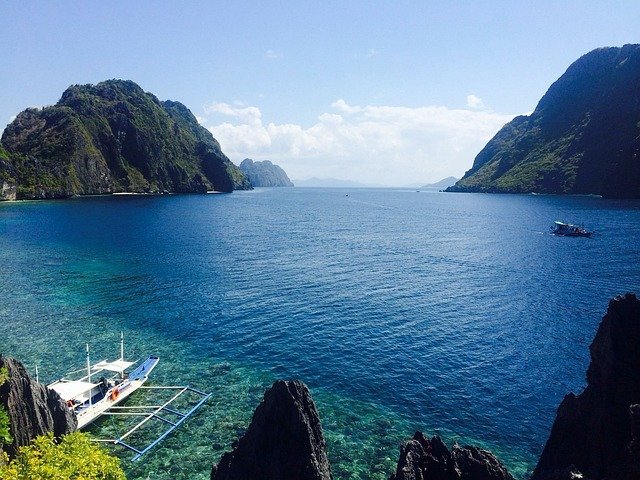
- El Nido and Coron: Famous for limestone cliffs, turquoise lagoons, and diving spots.
- Puerto Princesa Underground River: A UNESCO World Heritage Site.
- Boracay:
- Renowned for White Beach, vibrant nightlife, and water sports.
- Chocolate Hills:
- Unique geological formations located in Bohol.
- Mayon Volcano:
- A perfectly symmetrical cone-shaped volcano in Albay.
Island Getaways
- Siargao:
- A surfer’s paradise, also known for its lagoons and rock pools.
- Batanes:
- Famous for rolling hills, dramatic cliffs, and stone houses.
- Camiguin:
- Known as the “Island Born of Fire,” offering hot springs and waterfalls.
Adventure and Recreation
- Diving and Snorkeling:
- Tubbataha Reefs: A UNESCO World Heritage Site with unparalleled marine biodiversity.
- Apo Island: Famous for its turtle sanctuary.
- Hiking:
- Mount Pulag: Known for its “sea of clouds” at the summit.
- Taal Volcano: Offers a unique trek with a crater lake view.
- Caving:
- Sagada: Known for the Sumaguing Cave and hanging coffins.
Food and Cuisine
- Signature Dishes:
- Adobo: Braised chicken or pork in soy sauce, vinegar, and spices.
- Sinigang: Tamarind-based sour soup with meat or seafood.
- Lechon: Whole roasted pig, a Filipino celebration staple.
- Kare-Kare: A peanut-based stew with oxtail and vegetables.
- Halo-Halo: A refreshing dessert of shaved ice, sweetened beans, fruits, and milk.
- Drinks:
- San Miguel Beer: A popular local brew.
- Tanduay Rum: A local favorite for cocktails.
- Calamansi Juice: A tangy citrus drink.
- Dining Tips:
- Eating with a fork and spoon is customary.
- Tipping is appreciated but not mandatory (5-10%).
Shopping and Souvenirs
- What to Buy:
- Handwoven Textiles: Such as Inabel and Banig mats.
- Capiz Shell Items: Decor and accessories made from translucent shells.
- Pearls: High-quality pearls from Palawan.
- Filipino Snacks: Dried mangoes, polvoron, and local coffee.
- Where to Shop:
- Malls like SM Mall of Asia and Greenbelt.
- Local markets such as Divisoria in Manila or Carbon Market in Cebu.
Festivals and Events
- Sinulog Festival (January):
- A grand celebration in Cebu with street dancing and religious processions.
- Ati-Atihan Festival (January):
- Held in Kalibo, Aklan, featuring tribal music and costumes.
- Pahiyas Festival (May):
- Celebrates the harvest with colorful decorations in Lucban, Quezon.
- MassKara Festival (October):
- A vibrant event in Bacolod City with masks, music, and parades.
Suggested Itineraries
3-Day Itinerary
- Day 1: Explore Manila’s historical sites and sample local cuisine.
- Day 2: Fly to Cebu and visit Magellan’s Cross and nearby beaches.
- Day 3: Take a day trip to Bohol to see the Chocolate Hills and tarsiers.
7-Day Itinerary
- Day 1-2: Explore Manila and Intramuros.
- Day 3-4: Fly to Palawan for island-hopping in El Nido or Coron.
- Day 5-6: Visit Cebu and take a ferry to Bohol.
- Day 7: Relax in Boracay or Siargao before heading back.
Best Time to Visit
- Dry Season (November-May): Best for beach trips and outdoor activities.
- Wet Season (June-October): Lush landscapes but expect occasional typhoons.
Connectivity
- Wi-Fi: Available in most hotels, cafes, and urban areas.
- SIM Cards: Purchase from Globe or Smart for affordable mobile data.
Travel Tips
- Book flights and accommodations early during peak seasons.
- Prepare for tropical weather with light clothing and sun protection.
- Be respectful of local customs, especially in rural areas.
- Island-hop responsibly to preserve marine ecosystems.
- Stay hydrated and carry essentials for remote destinations.
Conclusion
The Philippines offers a unique blend of natural wonders, rich history, and vibrant culture. Whether you're exploring ancient heritage sites, relaxing on pristine beaches, or diving into its vibrant underwater world, the Philippines promises an unforgettable adventure.