East and Southeast Asia
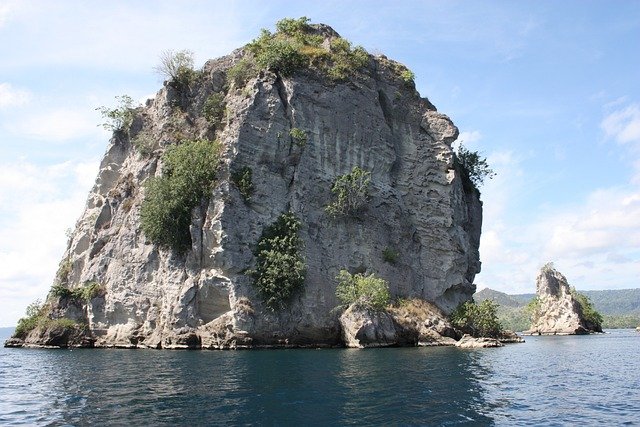
Papua New GuineaVenture into the vibrant tapestry of Papua New Guinea, where rich traditions and breathtaking landscapes converge to create an unforgettable journey. From the lush rainforests teeming with unique wildlife to the vibrant tribal cultures that celebrate their heritage through colorful festivals and intricate arts, every corner of this enchanting island nation tells a story waiting to be discovered. Dive into the turquoise waters of the Coral Sea, where pristine reefs invite you to explore a mesmerizing underwater world. Experience the warmth of the locals, who share their lives with genuine hospitality, inviting you to partake in their customs and culinary delights. Whether trekking through remote highlands or wandering along sandy beaches, Papua New Guinea beckons the adventurous spirit in every woman to uncover its hidden gems and embrace the thrill of the unknown.
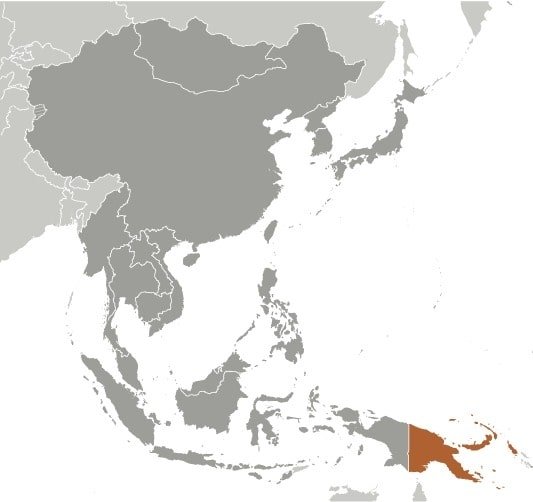
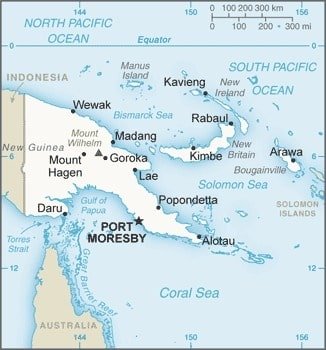
Comprehensive Travel Guide to Papua New Guinea
General Information
- Capital City: Port Moresby
- Population: 10,046,233
- Currency: Papua New Guinean Kina (PGK)
- Time Zone: Papua New Guinea Time (PGT), UTC +10
- Official Languages: Tok Pisin, English, Hiri Motu
- Dialing Code: +675
- Driving Side: Left
- Overview: Papua New Guinea (PNG) is a land of striking contrasts, from vibrant tribal cultures to rugged mountains, pristine beaches, and some of the world's most diverse ecosystems. It offers a unique experience for adventurous travelers looking for unspoiled landscapes and rich traditions.
Language and Communication
- Primary Languages:
- Tok Pisin is widely spoken and understood.
- English is commonly used in official and business settings.
- Hiri Motu and over 800 indigenous languages are spoken.
- Helpful Phrases in Tok Pisin:
- Hello: Halo
- Thank You: Tenkyu
- Yes/No: Yes/Nogat
- How are you?: Yu orait?
- Excuse Me: Sori tumas
Emergency Numbers
- Police: 112
- Fire: 110
- Ambulance: 111
Currency and Money
- Currency: Papua New Guinean Kina (PGK)
- ATMs: Available in urban areas but limited in rural regions.
- Credit Cards: Accepted in major cities, though cash is preferred in rural areas.
- Currency Exchange: Banks and exchange bureaus in Port Moresby and other major towns.
Electricity and Plugs
- Voltage: 240 V
- Frequency: 50 Hz
- Plug Types: Type I (Australian-style plugs).
- Adapter Needed: Yes, if your devices use a different plug type.
Safety and Health
- Safety Tips:
- Petty theft and opportunistic crime are common in urban areas.
- Avoid walking alone, especially at night, and stay vigilant.
- Tribal conflicts can occur in remote areas; always check local advisories.
- Health Recommendations:
- Required Vaccinations: Yellow fever (if coming from an endemic area).
- Recommended Vaccinations: Hepatitis A and B, Typhoid, Rabies, and routine immunizations.
- Malaria: Carry antimalarial medication and use insect repellent.
- Water Safety: Stick to bottled or boiled water.
Transportation
- Public Transport:
- PMVs (Public Motor Vehicles): Popular and affordable but often overcrowded and unreliable.
- Taxis: Available in major towns but ensure they are licensed and agree on fares upfront.
- Domestic Flights:
- Air Niugini and PNG Air connect remote areas to Port Moresby.
- Car Rentals:
- Available in Port Moresby and major towns; a 4WD is recommended for rural travel.
- Boats and Ferries:
- Common for coastal and island travel; ensure safety standards are met.
Activities and Attractions
Urban Highlights
- Port Moresby:
- Visit the National Museum and Art Gallery to explore PNG’s rich history and cultural artifacts.
- Stroll through Nature Park, home to native wildlife and lush gardens.
- Stop by Hanuabada Village, a traditional stilt village on the outskirts of the city.
- Lae:
- Known as the “Garden City,” it's a gateway to the Highlands and home to the Rainforest Habitat.
Natural Wonders
- Kokoda Trail:
- A historic and challenging trekking route through rugged mountains and dense jungles.
- Mount Wilhelm:
- PNG’s highest peak, offering a rewarding trek with views of both the Pacific and Indian Oceans.
- Sepik River:
- Explore traditional villages, intricate wood carvings, and unique tribal cultures along the river.
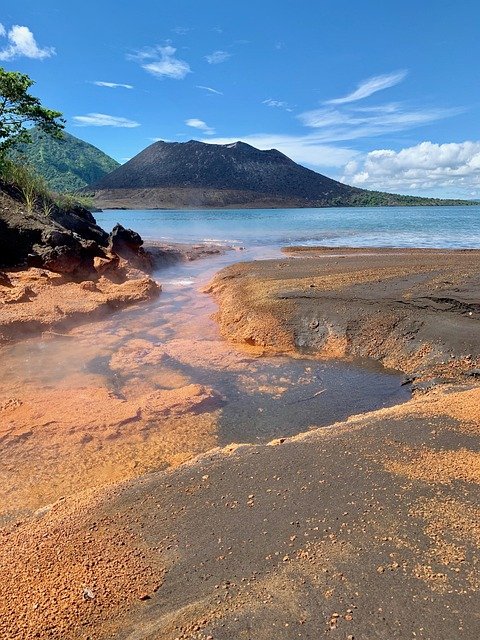
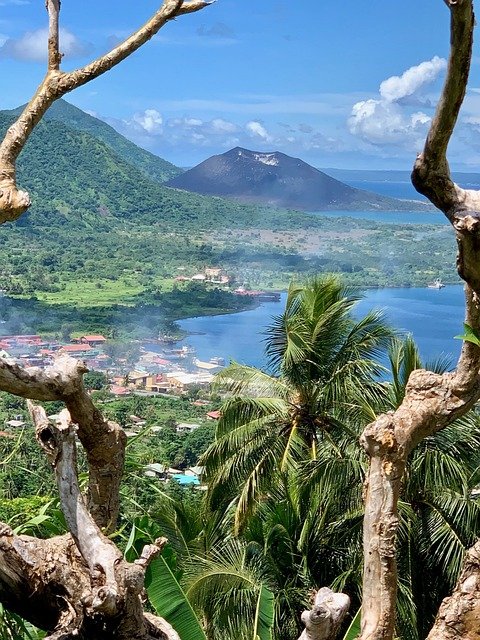
- Tavurvur Volcano:
- Located near Rabaul, this active volcano is a dramatic natural spectacle.
Islands and Beaches
- Milne Bay Islands:
- Known for their stunning coral reefs, snorkeling, and traditional villages.
- Tufi Fjords:
- A scenic coastal area with dramatic cliffs, pristine beaches, and excellent diving opportunities.
- Bougainville Island:
- Offers beautiful beaches and a fascinating history of resilience.
Cultural Experiences
- Goroka Show:
- A vibrant cultural festival featuring traditional dances and costumes.
- Mount Hagen Cultural Show:
- Another major festival celebrating PNG’s tribal diversity.
- Asaro Mudmen:
- Witness the eerie and captivating performances of this unique tribe.
Food and Cuisine
- Traditional Dishes:
- Mumu: A traditional dish cooked in an earth oven, often with pork, sweet potatoes, and greens.
- Kaukau: Sweet potatoes, a staple food in the Highlands.
- Saksak: A dessert made from sago and bananas.
- Coconut Fish Curry: A rich and flavorful dish made with fresh fish and coconut milk.
- Dining Tips:
- Local markets offer authentic and affordable meals.
- Tipping is not customary but appreciated in upscale establishments.
Shopping and Souvenirs
- What to Buy:
- Bilum Bags: Handwoven bags made by local women.
- Wooden Masks and Carvings: Iconic tribal artifacts.
- Tapa Cloth: Traditional bark cloth used in ceremonies.
- Sepik River Artifacts: Intricate carvings and pottery.
- Where to Shop:
- Local markets in Port Moresby, Goroka, and along the Sepik River.
Festivals and Events
- Hiri Moale Festival (September):
- Celebrates the traditional trading routes of the Motuan people with canoe races and cultural performances.
- Goroka Show (September):
- A dazzling showcase of tribal cultures from across PNG.
- Mount Hagen Cultural Show (August):
- Features traditional sing-sings and tribal dances.
- Kenu and Kundu Festival (November):
- Highlights the maritime traditions of Milne Bay with canoe races and cultural events.
Suggested Itineraries
3-Day Itinerary
- Day 1: Explore Port Moresby’s museums and markets.
- Day 2: Take a short flight to Tufi Fjords for snorkeling and scenic views.
- Day 3: Visit Hanuabada Village and Nature Park.
7-Day Itinerary
- Day 1-2: Start in Port Moresby, visiting cultural and historical sites.
- Day 3-4: Trek the Kokoda Trail or visit the Sepik River.
- Day 5-6: Explore Milne Bay Islands for diving and relaxation.
- Day 7: End your trip at the Goroka Show or Mount Hagen.
Best Time to Visit
- Dry Season (May to October): Ideal for trekking and cultural festivals.
- Wet Season (November to April): Lush landscapes but heavy rains can disrupt travel plans.
Connectivity
- Wi-Fi: Limited and expensive; available in hotels and urban centers.
- SIM Cards: Purchase from Digicel or Telikom for local coverage.
Travel Tips
- PNG is best suited for adventurous travelers; plan ahead and hire local guides for safety.
- Be respectful of local customs, especially in tribal areas. Always ask permission before taking photos.
- Carry cash in small denominations, as cards are not widely accepted outside urban centers.
- Prepare for limited connectivity in remote areas.
- Learn a few basic phrases in Tok Pisin to connect with locals.
Conclusion
Papua New Guinea is a treasure trove of cultural richness and natural beauty, offering an unforgettable experience for those willing to venture off the beaten path. From vibrant tribal festivals to breathtaking landscapes, PNG promises a truly unique adventure