South Asia
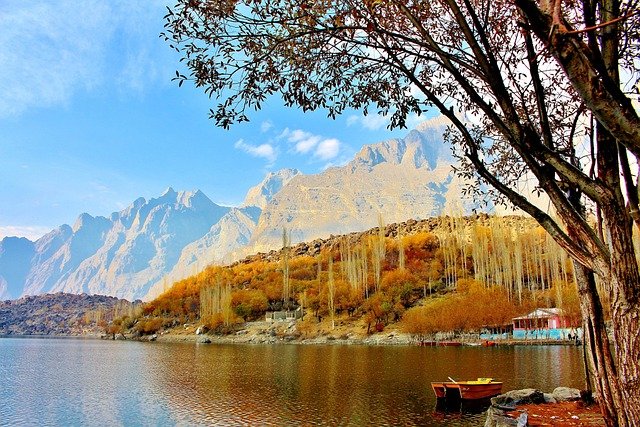
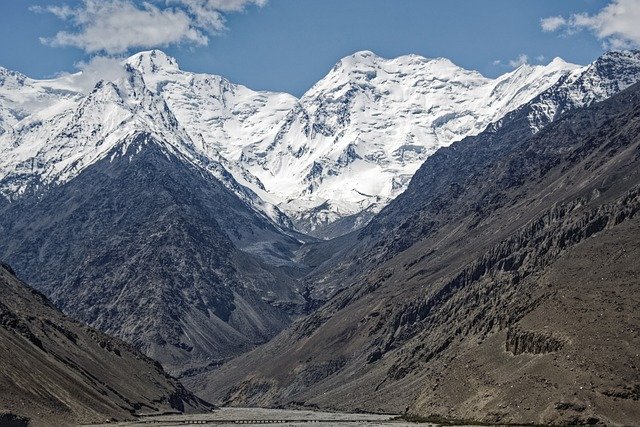
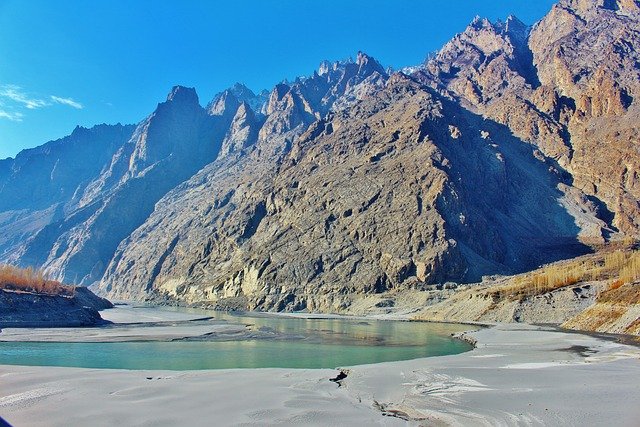
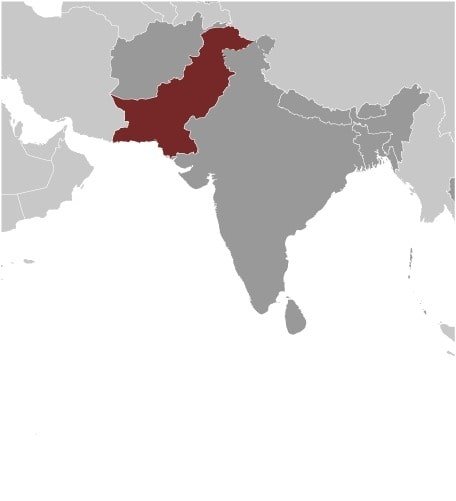
PakistanStep into the enchanting realm of Pakistan, where history intertwines with stunning landscapes, offering a vibrant tapestry of culture waiting to be unraveled. Explore the majestic peaks of the Karakoram, the serene beauty of Hunza Valley, and the bustling bazaars of Lahore, each whispering tales of ancient civilizations and warm hospitality. Indulge in the diverse culinary delights, from aromatic biryanis to sweet jalebis, as you immerse yourself in the rich traditions and colorful festivals that light up this extraordinary land. Pakistan beckons the adventurous spirit within you, inviting you to discover its hidden gems and forge connections that transcend borders, making it a captivating destination for every woman traveler.

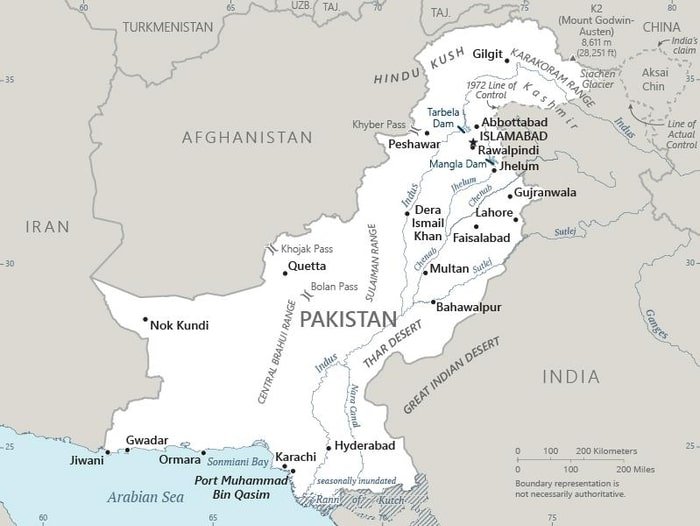
Comprehensive Travel Guide to Pakistan
General Information
- Capital City: Islamabad
- Population: 252,363,571
- Currency: Pakistani Rupee (PKR)
- Time Zone: Pakistan Standard Time (PST), UTC +5
- Official Languages: Urdu (national), English (widely used for official and business purposes)
- Dialing Code: +92
- Driving Side: Left
- Overview: Pakistan is a country of immense diversity, offering a mix of ancient history, vibrant culture, breathtaking landscapes, and welcoming hospitality. From the towering peaks of the Himalayas to the bustling bazaars of Lahore, Pakistan is a destination for adventurers, history enthusiasts, and food lovers alike.
Language and Communication
- Primary Language: Urdu
- Regional Languages: Punjabi, Sindhi, Pashto, Balochi, Saraiki, and more.
- Helpful Phrases:
- Hello: Assalam-o-Alaikum
- Thank You: Shukriya
- How are you?: Aap kaise hain? (to a male) / Aap kaisi hain? (to a female)
- Excuse Me: Maaf kijiyega
- Yes/No: Jee haan/Jee nahin
Emergency Numbers
- Police: 15
- Ambulance: 115 or 1122
- Fire Brigade: 16
Currency and Money
- Currency: Pakistani Rupee (PKR)
- ATMs: Widely available in urban areas.
- Credit Cards: Accepted in cities and large towns but less common in rural areas.
- Currency Exchange: Banks and licensed money changers offer exchange services.
Electricity and Plugs
- Voltage: 230 V
- Frequency: 50 Hz
- Plug Types: Type C and D (round pins).
- Adapter Needed: Yes, if your devices use a different plug type.
Safety and Health
- Safety:
- Major cities are generally safe, but some areas near the Afghan border and certain tribal regions may require caution.
- Always stay updated on local advisories.
- Health:
- Drink bottled or boiled water.
- Recommended Vaccinations: Hepatitis A and B, Typhoid, Polio, and routine immunizations.
- Consider travel insurance with health coverage.
Transportation
- Public Transport:
- Buses: Affordable but can be crowded.
- Metro: Available in Lahore, Karachi (Green Line), and Islamabad/Rawalpindi.
- Taxis and Ride-hailing Apps:
- Apps like Careem and Uber are widely available in major cities.
- Domestic Flights:
- Useful for traveling between cities like Karachi, Lahore, and Islamabad.
- Car Rentals:
- Available but typically include a driver.
- Railways:
- Pakistan Railways offers scenic routes, especially from Rawalpindi to Peshawar and Karachi to Lahore.
Activities and Attractions
Historical and Cultural Sites
- Lahore:
- Badshahi Mosque: One of the largest mosques in the world.
- Lahore Fort and Shalimar Gardens: UNESCO World Heritage Sites.
- Food Street and Anarkali Bazaar: A haven for food lovers and shoppers.
- Islamabad:
- Faisal Mosque: A modern architectural marvel.
- Lok Virsa Museum: Showcasing Pakistan’s cultural heritage.
- Karachi:
- Quaid-e-Azam's Mausoleum: The final resting place of Pakistan’s founder.
- Clifton Beach: A popular coastal spot.
- Multan:
- Known as the “City of Saints” for its numerous shrines and Sufi heritage.
Natural Wonders
- Northern Areas:
- Hunza Valley: Famous for its stunning landscapes, apricot orchards, and hospitality.
- Skardu: Gateway to some of the world’s highest peaks, including K2.
- Fairy Meadows: A breathtaking spot at the base of Nanga Parbat.
- Swat Valley:
- Known as the “Switzerland of the East” for its lush green valleys and snow-capped peaks.
- Gilgit-Baltistan:
- Karakoram Highway: One of the highest paved roads in the world.
- Attabad Lake: A stunning turquoise lake formed after a landslide.
- Deserts:
- Thar Desert: Explore the vibrant culture and desert safaris.
- Cholistan Desert: Home to the Derawar Fort.
Coastal Areas
- Makran Coast:
- Features beaches like Gwadar and Kund Malir with pristine beauty.
Food and Cuisine
- Traditional Dishes:
- Biryani: A spiced rice dish with meat or vegetables.
- Karahi: A rich curry dish cooked in a wok.
- Haleem: A slow-cooked stew of meat, lentils, and spices.
- Seekh Kebabs: Grilled meat skewers.
- Sajji: Whole roasted chicken or lamb marinated in spices.
- Desserts: Gulab Jamun, Jalebi, and Kheer (rice pudding).
- Dining Tips:
- Food in local dhabas (roadside eateries) offers an authentic experience.
- Tipping 5-10% is appreciated in restaurants.
Shopping and Souvenirs
- What to Buy:
- Handwoven textiles and shawls (Pashmina and Ajrak).
- Traditional jewelry and bangles.
- Pottery and ceramics from Multan.
- Onyx and marble products.
- Spices and local teas.
- Where to Shop:
- Liberty Market and Emporium Mall in Lahore.
- Saddar Market in Karachi.
- Jinnah Super Market in Islamabad.
Festivals and Events
- Eid-ul-Fitr and Eid-ul-Adha:
- Celebrated with feasts, prayers, and family gatherings.
- Pakistan Day (March 23):
- Military parades and cultural events.
- Independence Day (August 14):
- Celebrated with flag hoisting, fireworks, and patriotic events.
- Shandur Polo Festival (July):
- Held on the world’s highest polo ground in Gilgit-Baltistan.
Suggested Itineraries
3-Day Itinerary
- Day 1: Explore Lahore’s Badshahi Mosque, Lahore Fort, and Food Street.
- Day 2: Visit Islamabad’s Faisal Mosque and Lok Virsa Museum.
- Day 3: Day trip to Taxila, an ancient Buddhist archaeological site.
7-Day Itinerary
- Day 1-2: Explore Karachi’s historical and coastal attractions.
- Day 3-4: Visit Lahore’s cultural and historical sites.
- Day 5-7: Head to the Northern Areas, visiting Hunza Valley and Fairy Meadows.
Best Time to Visit
- Spring (March to May): Mild temperatures and blooming flowers.
- Autumn (September to November): Ideal for trekking and sightseeing.
- Summer (June to August): Perfect for exploring the cooler northern regions.
- Winter (December to February): Visit southern areas and enjoy snow in the north.
Connectivity
- Wi-Fi: Widely available in urban hotels, cafes, and restaurants.
- SIM Cards: Purchase from providers like Jazz, Zong, or Telenor.
Travel Tips
- Dress modestly to respect local customs.
- Obtain a visa in advance, unless eligible for visa-on-arrival.
- Avoid discussing sensitive political or religious topics.
- Carry cash, as smaller establishments may not accept cards.
- Always carry a photocopy of your passport and visa.
Conclusion
Pakistan is a land of contrasts, offering something for every traveler. Whether you’re captivated by ancient history, scenic landscapes, or vibrant cultures, this country promises unforgettable experiences. Warm hospitality and rich traditions make Pakistan a hidden gem in South Asia.