South Asia
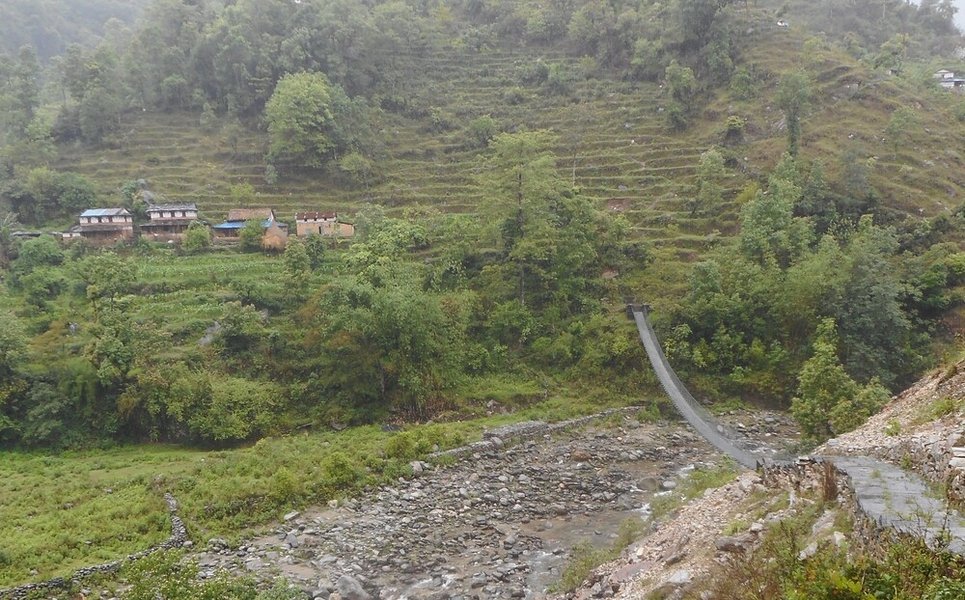
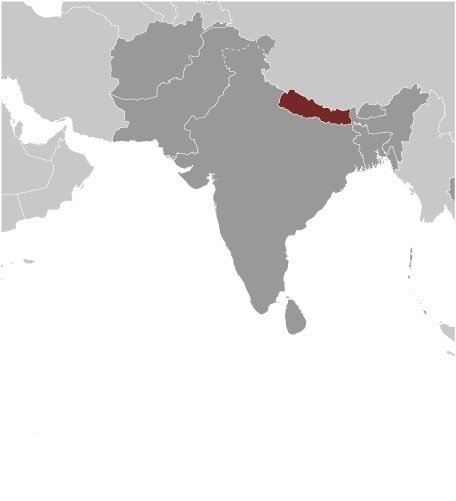
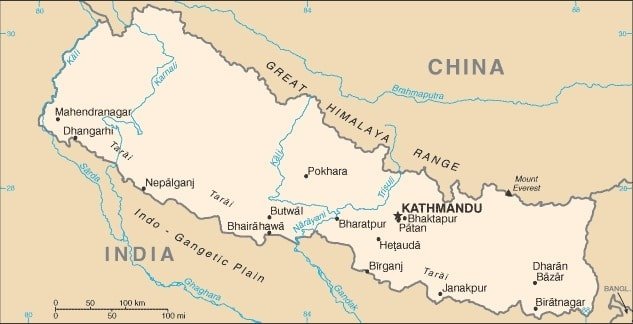
NepalNestled high in the majestic Himalayas, Nepal beckons adventurers and dreamers alike with its breathtaking landscapes, rich cultural tapestry, and spiritual heritage that transcends the ordinary. From the bustling streets of Kathmandu, where ancient temples and vibrant markets pulse with life, to the serene trails of the Annapurna Circuit and the powerful presence of Mount Everest, every corner of this enchanting country offers a unique blend of thrill and tranquility. Embrace the warmth of Nepali hospitality as you savor authentic cuisine, explore historic villages, and partake in traditional festivals that celebrate the essence of life. Whether you seek a challenging trek or a peaceful retreat, Nepal is not just a destination; it’s a transformative experience that will capture your heart and inspire your soul.
Comprehensive Travel Guide to Nepal
General Information
- Capital: Kathmandu
- Population: 31,122,387
- Currency: Nepalese Rupee (NPR)
- Time Zone: Nepal Time (NPT), UTC +5:45
- Official Language: Nepali
- Other Languages: Maithili, Bhojpuri, Tharu, and other indigenous languages
- Dialing Code: +977
- Driving Side: Left
Nestled in the Himalayas, Nepal is a land of stunning mountain landscapes, ancient temples, vibrant cultures, and warm hospitality. Known as the gateway to Mount Everest and the birthplace of Lord Buddha, Nepal offers a unique mix of adventure, spirituality, and history.
Language and Communication
- Primary Language: Nepali
- Commonly Spoken: Hindi and English (widely used in urban areas and tourism).
- Helpful Phrases:
- Hello: Namaste
- Thank you: Dhanyabad
- How are you?: Tapaai kasto cha?
- Where is...?: ...kaha cha?
Emergency Numbers
- Police: 100
- Ambulance: 102
- Fire: 101
- From mobile phones : 112
Currency and Money
- Currency: Nepalese Rupee (NPR).
- ATMs: Widely available in cities but may be scarce in remote areas.
- Credit Cards: Accepted in hotels, restaurants, and major stores in urban centers.
- Currency Exchange: Available at banks, exchange counters, and airports.
Electricity and Plugs
- Voltage: 230 V
- Frequency: 50 Hz
- Plug Types: Type C, D, and M (European and Indian-style plugs).
- Adapter Needed: Yes, if your plugs differ.
Safety and Health
Safety
- General Safety: Nepal is generally safe for travelers, but take precautions against pickpocketing in crowded areas.
- Trekking Safety: Hire guides and follow established routes. Beware of altitude sickness in high-altitude treks.
Health
- Vaccinations: Routine vaccinations, plus Hepatitis A, Typhoid, and Rabies are recommended.
- Water Safety: Drink bottled or boiled water.
- Medical Facilities: Adequate in cities, limited in remote areas. Carry a first-aid kit during treks.
Transportation
Getting There
- Air Travel: Tribhuvan International Airport (KTM) in Kathmandu is the main gateway.
- Land Travel: Road borders with India and China.
Local Transport
- Taxis: Widely available; negotiate fares or use metered taxis.
- Rickshaws: Popular in urban and tourist areas.
- Public Buses: Affordable but crowded.
- Domestic Flights: Connect major cities and remote trekking destinations.
- Car Rentals: Available but not recommended due to challenging road conditions.
Activities and Attractions
Natural Wonders
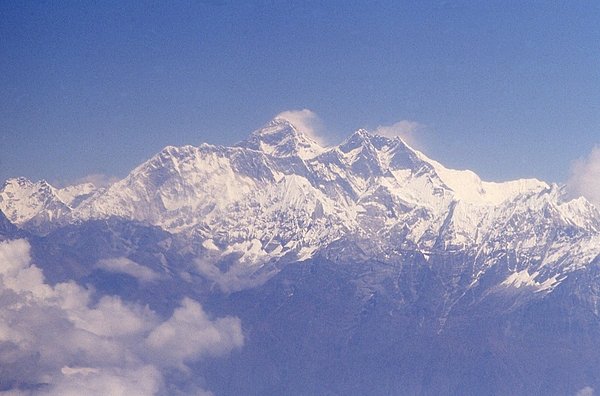
- Mount Everest (Sagarmatha):
- The world’s highest peak, accessible via trekking routes like the Everest Base Camp trek.
- Annapurna Region:
- Famous for its trekking circuits and breathtaking mountain views.
- Chitwan National Park:
- A UNESCO World Heritage Site known for jungle safaris, rhinos, and Bengal tigers.
- Pokhara:
- A scenic city by Phewa Lake with stunning Himalayan backdrops.
- Langtang Valley:
- A less crowded trekking destination with beautiful landscapes and rich cultural heritage.
Cultural and Historical Sites
- Kathmandu Valley:
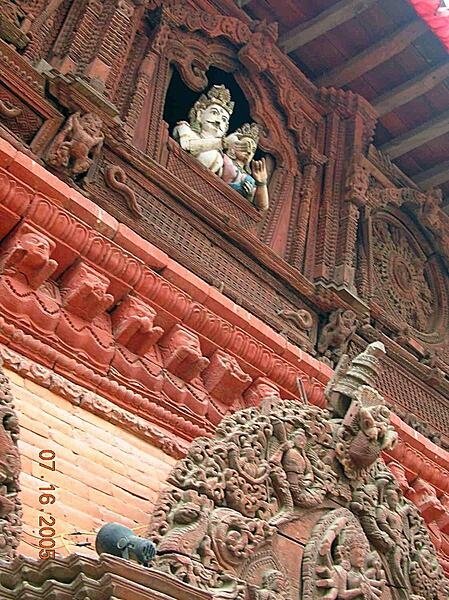
- Durbar Squares: Historic palaces in Kathmandu, Patan, and Bhaktapur.
- Swayambhunath (Monkey Temple): A Buddhist stupa with panoramic views of Kathmandu.
- Pashupatinath Temple: A sacred Hindu temple complex on the Bagmati River.
- Boudhanath Stupa: One of the largest Buddhist stupas in the world.
- Lumbini:
- The birthplace of Lord Buddha and a major pilgrimage site.
- Bandipur:
- A picturesque hilltop town known for its traditional Newari culture.
Outdoor Activities
- Trekking and Hiking: From Everest Base Camp to Annapurna Circuit.
- White-Water Rafting: In rivers like Trishuli and Bhote Koshi.
- Paragliding: Pokhara is a popular spot for paragliding over Phewa Lake.
- Mountain Flights: Aerial tours of Mount Everest and the Himalayas.
Festivals and Events
- Dashain (October):
- Nepal’s longest and most significant Hindu festival, celebrating the victory of good over evil.
- Tihar (November):
- Known as the festival of lights, honoring animals and deities.
- Holi (March):
- The vibrant festival of colors, celebrated across the country.
- Buddha Jayanti (April/May):
- A celebration of Buddha’s birth, enlightenment, and death.
- Indra Jatra (September):
- A traditional festival in Kathmandu with masked dances and chariot processions.
Food and Cuisine
Must-Try Dishes
- Dal Bhat: A traditional Nepali meal of lentils, rice, and vegetables.
- Momo: Tibetan-style dumplings filled with meat or vegetables.
- Newari Cuisine: Unique dishes like bara (lentil patties) and yomari (sweet dumplings).
- Thukpa: A hearty noodle soup.
- Sel Roti: A sweet, ring-shaped rice bread.
Dining Tips
- Stick to bottled water and freshly cooked food to avoid stomach issues.
- Tipping (10%) is appreciated but not mandatory.
Shopping and Souvenirs
- Handicrafts: Prayer flags, singing bowls, and Thangka paintings.
- Clothing: Woolen shawls, pashminas, and trekking gear.
- Spices: Himalayan salt, turmeric, and masala blends.
- Jewelry: Traditional silver and gemstone pieces.
- Wood Carvings: Intricate designs reflecting Nepali artistry.
Best Time to Visit
- Spring (March to May):
- Moderate weather, blooming rhododendrons, and clear skies make it ideal for trekking.
- Autumn (September to November):
- Peak season with dry weather and stunning mountain views.
- Winter (December to February):
- Cold, but suitable for lower-altitude trekking and exploring cultural sites.
- Monsoon (June to August):
- Heavy rains; best for lush landscapes and fewer crowds.
Connectivity
- Wi-Fi: Widely available in hotels, cafes, and urban areas.
- SIM Cards: Purchase local SIM cards (e.g., Ncell or Nepal Telecom) for mobile data.
- Mobile Coverage: Reliable in cities but spotty in remote trekking regions.
Suggested Itineraries
5-Day Itinerary
Day 1: Explore Kathmandu’s cultural landmarks (Durbar Square, Swayambhunath).
Day 2: Visit Bhaktapur and Patan for ancient architecture.
Day 3: Fly to Pokhara; enjoy Phewa Lake and Davis Falls.
Day 4: Trek or hike in the Annapurna region.
Day 5: Return to Kathmandu and shop for souvenirs.
10-Day Itinerary
Days 1-5: Follow the 5-day itinerary.
Day 6-7: Jungle safari in Chitwan National Park.
Day 8: Visit Lumbini, the birthplace of Buddha.
Day 9: Explore Bandipur’s hilltop charm.
Day 10: Return to Kathmandu for relaxation and departure.
Travel Tips
- Visas: Obtain a visa on arrival or online through Nepal’s e-visa system.
- Packing: Layered clothing, sturdy hiking boots, and a good backpack for trekking.
- Altitude Awareness: Acclimatize properly to avoid altitude sickness.
- Local Etiquette: Respect cultural norms; dress modestly, especially in temples.
Conclusion
Nepal is a land of unparalleled natural beauty and rich cultural heritage. From trekking in the Himalayas to exploring ancient temples, the country offers diverse experiences for every traveler. Whether you're seeking adventure, spirituality, or relaxation, Nepal promises an unforgettable journey.