Africa
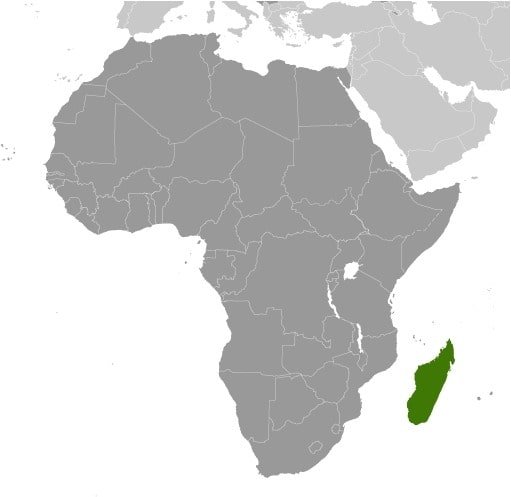
MadagascarDiscover the enchanting allure of Madagascar, a vibrant jewel nestled off the southeast coast of Africa, where lush rainforests cradle unique wildlife and pristine beaches beckon for exploration. This island paradise is renowned for its unparalleled biodiversity, featuring iconic lemurs and exotic flora found nowhere else on Earth. Immerse yourself in the rich tapestry of Malagasy culture, where traditional music and dance tell stories of a fascinating history and diverse heritage. Whether you seek adventure in the rugged landscapes of the national parks or relaxation on the sun-kissed shores, Madagascar offers an unforgettable journey filled with breathtaking scenery and heartwarming encounters, inviting every woman to embrace the spirit of exploration and connection.

Comprehensive Travel Guide to Madagascar
General Information
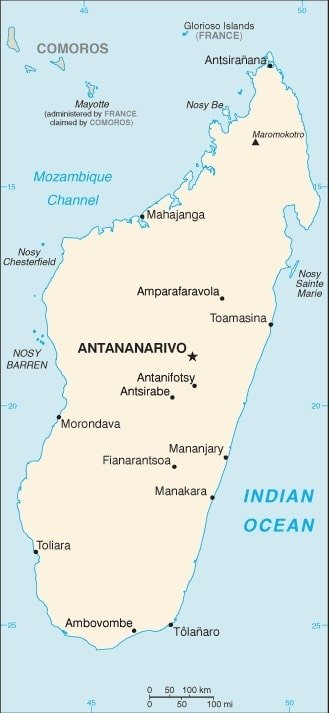
- Capital City: Antananarivo
- Population: 29,452,714
- Currency: Malagasy Ariary (MGA)
- Time Zone: East Africa Time (EAT), UTC +3
- Official Languages: Malagasy and French
- Dialing Code: +261
- Driving Side: Right
- Nickname: “The Eighth Continent”
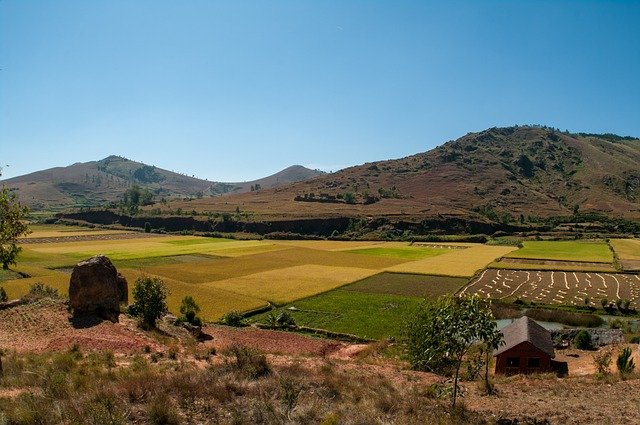
Madagascar, the world’s fourth-largest island, is a biodiversity hotspot with unique wildlife, diverse ecosystems, and stunning landscapes. From lush rainforests and pristine beaches to vibrant cultures and traditions, Madagascar offers a truly distinctive travel experience.
Language and Communication
- Primary Languages: Malagasy and French.
- English: Limited but improving, especially in tourist areas.
Helpful Phrases
- Hello: Miarahaba
- Thank You: Misaotra
- How are you?: Manao ahoana?
- Goodbye: Veloma
Emergency Numbers
- Police: 117
- Fire: 118
- Ambulance: 124
Currency and Money
- Currency: Malagasy Ariary (MGA).
- ATMs: Available in major cities like Antananarivo and Nosy Be.
- Credit Cards: Accepted in larger establishments but not widely in rural areas.
- Currency Exchange: Available at banks and exchange offices; US Dollars and Euros are commonly exchanged.
Electricity and Plugs
- Voltage: 220 V
- Frequency: 50 Hz
- Plug Types: Types C and E
- Adapter Needed: Yes, for travelers from countries using different plug types.
Safety and Health
Safety
- Madagascar is generally safe for tourists, but petty theft can occur.
- Avoid walking alone at night and secure your valuables.
Health
- Vaccinations: Routine vaccinations, along with Hepatitis A, Typhoid, and Yellow Fever (if traveling from an affected area).
- Malaria: Present; bring prophylactics and use insect repellent.
- Water Safety: Drink bottled or boiled water.
- Healthcare: Basic facilities in rural areas; high-quality care is available in cities.
Transportation
Public Transport
- Buses (Taxi-Brousse): The main form of public transport but can be crowded and slow.
- Taxis: Affordable in cities but negotiate fares beforehand.
Domestic Travel
- Domestic Flights: Essential for covering long distances quickly. Air Madagascar operates most routes.
- Car Rentals: Available in Antananarivo; hiring a driver is recommended due to road conditions.
Activities and Attractions
Natural Wonders
- Avenue of the Baobabs: Iconic baobab trees lining a dirt road in Morondava.
- Tsingy de Bemaraha National Park: A UNESCO World Heritage Site featuring sharp limestone formations.
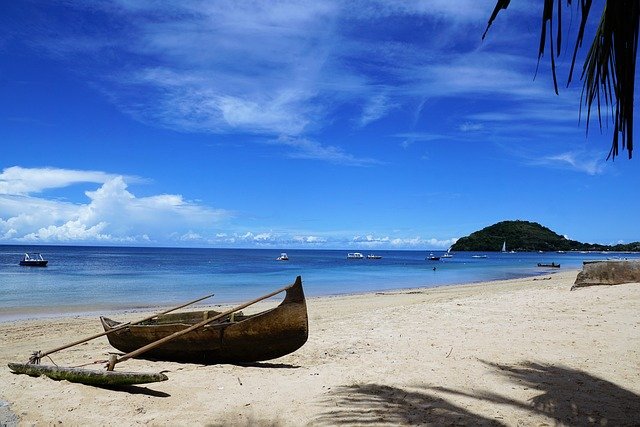
- Nosy Be: A paradise for beach lovers and divers, offering crystal-clear waters and coral reefs.
- Ranomafana National Park: Rainforest home to rare lemur species and vibrant flora.
- Isalo National Park: Known for its rugged landscapes, canyons, and natural swimming pools.
Cultural Highlights
- Antananarivo (Tana): Explore the Royal Hill of Ambohimanga and bustling local markets.
- Zafimaniry Villages: UNESCO-listed villages showcasing intricate wood carvings.
- Andasibe-Mantadia National Park: Famous for its indri lemurs and birdwatching.
Food and Cuisine
Must-Try Dishes
- Romazava: National dish made of beef or pork with greens and local spices.
- Ravitoto: Pork cooked with mashed cassava leaves.
- Koba: Sweet dessert made of rice, peanuts, and sugar.
- Mofo Gasy: Malagasy pancakes served as a popular breakfast item.
Dining Tips
- Fresh seafood is abundant in coastal areas.
- Street food is delicious but ensure it’s freshly prepared.
- Tipping: Not mandatory but appreciated (5-10%).
Shopping and Souvenirs
- Zebu Horn Crafts: Unique items made from cattle horns.
- Lamba: Traditional Malagasy woven fabric.
- Vanilla: High-quality vanilla, as Madagascar is a top global producer.
- Hand-Carved Wood: Decorative items showcasing Malagasy craftsmanship.
Festivals and Events
- Hiragasy (Traditional Music Festival): Celebrates Malagasy music and storytelling.
- Donia Festival (May): A cultural event in Nosy Be featuring music, dance, and arts.
- Famadihana (Turning of the Bones): A unique ancestral tradition held in villages.
Suggested Itineraries
5-Day Itinerary
Day 1: Explore Antananarivo, including Ambohimanga.
Day 2: Visit Andasibe-Mantadia National Park for lemur spotting.
Day 3: Fly to Nosy Be and relax on its pristine beaches.
Day 4: Enjoy water activities like snorkeling and diving in Nosy Be.
Day 5: Return to Antananarivo for shopping and local dining.
10-Day Itinerary
Days 1-2: Explore Antananarivo and nearby cultural sites.
Days 3-4: Visit Ranomafana National Park for nature treks.
Days 5-6: Experience the Avenue of the Baobabs and Tsingy de Bemaraha.
Days 7-8: Relax in Nosy Be with beach activities.
Days 9-10: Discover Isalo National Park’s landscapes and return to Tana.
Connectivity
Internet Access
- Wi-Fi: Available in hotels, cafes, and some public areas in cities.
- SIM Cards: Obtainable from providers like Telma and Airtel at the airport or in cities.
Mobile Apps
- Maps.me: Useful for offline navigation.
- Telma App: Helps manage local SIM plans and services.
- Google Translate: Handy for basic Malagasy and French phrases.
Travel Tips
- Currency: Carry small denominations of cash for rural areas.
- Packing: Include lightweight clothing, sturdy shoes, sunscreen, and insect repellent.
- Local Etiquette: Respect local traditions, especially in rural villages.
- Weather: Plan your trip during the dry season (April-November) for better conditions.
Best Time to Visit
Madagascar’s climate varies across regions, but understanding the seasons is crucial for planning your trip.
- Dry Season (April–November):
- Ideal time for travel.
- Clear skies, less rainfall, and accessible roads make this period perfect for wildlife viewing, trekking, and beach activities.
- Best months for whale watching: July to September (in areas like Île Sainte-Marie).
- Wet Season (December–March):
- Tropical rains dominate, especially in the eastern and central regions.
- While the landscape is lush and green, travel can be challenging due to flooded roads.
- Cyclone season typically affects the east coast from January to March, so plan accordingly.
- Specific Highlights:
- Visit September to November for baby lemurs and blooming flora.
- The western and southern regions are relatively dry throughout the year, making them excellent year-round destinations.
Conclusion
Madagascar is a mesmerizing destination that combines natural wonders, unique wildlife, and rich cultural heritage. Whether you’re trekking through rainforests, marveling at the majestic baobab trees, or unwinding on idyllic beaches, Madagascar promises an adventure like no other. Its warm hospitality and unparalleled biodiversity make it a bucket-list destination for every type of traveler.