East and Southeast Asia
Korea NorthAs you journey through the captivating landscapes of Korea North, immerse yourself in a tapestry of ancient traditions and breathtaking nature, where the grandeur of the rugged mountains meets the serene beauty of tranquil lakes, all while discovering the rich heritage that tells the stories of a resilient people; each step offers an opportunity to explore vibrant street markets teeming with local flavors and warm hospitality, creating a mosaic of experiences that will delight your senses and leave you with unforgettable memories.
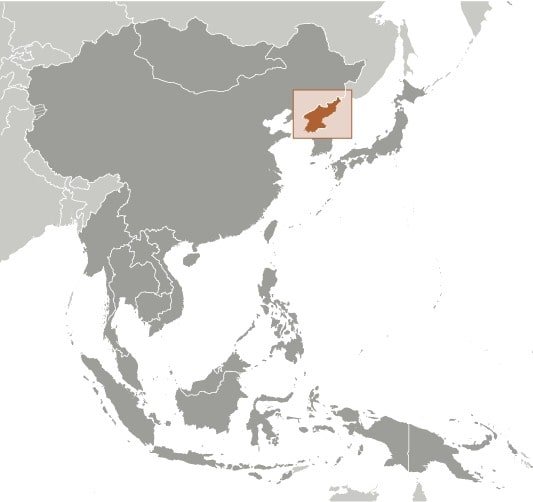
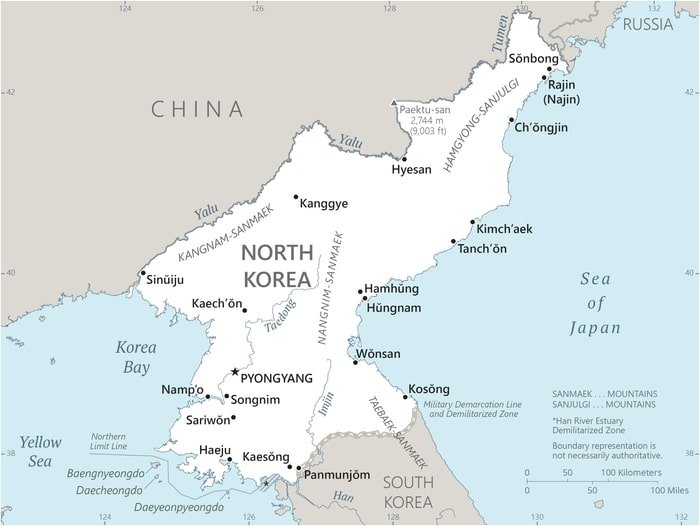
Comprehensive Travel Guide to North Korea (DPRK)
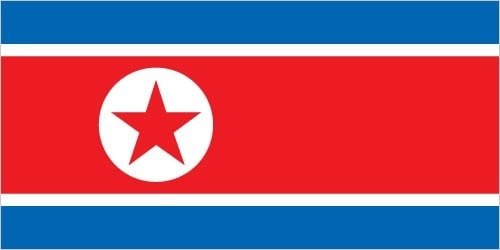
North Korea, officially known as the Democratic People’s Republic of Korea (DPRK), offers a rare and tightly controlled glimpse into a unique and enigmatic society. Known for its isolation, strict regulations, and historical significance, North Korea provides an unparalleled experience for those interested in its history, culture, and governance. Here’s a comprehensive guide to navigating this distinct travel destination.
General Information
- Capital: Pyongyang
- Population: 26,298,666
- Currency: North Korean Won (KPW)
- Time Zone: Korean Standard Time (KST), UTC +9
- Official Language: Korean
- Dialing Code: +850
- Driving Side: Right
Travel Restrictions
- Travel to North Korea is highly restricted and must be arranged through an authorized tour operator. Independent travel is not permitted, and visitors are accompanied by guides at all times.
Language and Communication
- Language: Korean (a specific dialect unique to the DPRK).
- English: Limited; guides and interpreters will assist during tours.
- Helpful Phrases:
- Hello: Annyeong hasimnikka (안녕하십니까)
- Thank You: Kamsahamnida (감사합니다)
- Goodbye: Annyeonghi gyeseyo (안녕히 계세요)
Emergency Numbers
- Emergency services are not typically accessible for foreign tourists. In case of an emergency, notify your guides immediately.
Currency and Money
- Currency: North Korean Won (KPW); however, tourists use foreign currencies like Euros (EUR), Chinese Yuan (CNY), and US Dollars (USD) for transactions.
- ATMs: Nonexistent for foreigners.
- Credit Cards: Not accepted.
- Currency Exchange: Controlled by the government; handled by guides or at designated places.
Electricity and Plugs
- Voltage: 220 V
- Frequency: 50 Hz
- Plug Types: Type C and F (European-style plugs)
- Adapter Needed: Yes, if your plugs differ.
Safety and Health
Safety
- General Safety: North Korea is generally safe for visitors as long as regulations are followed.
- Strict Rules: Non-compliance with rules can result in serious consequences. Always follow your guides' instructions.
- Photography: Only take photos with explicit permission. Avoid photographing military personnel, installations, or anything deemed sensitive.
Health
- Vaccinations: Routine vaccinations, along with Hepatitis A, Typhoid, and Japanese Encephalitis, are recommended.
- Water Safety: Drink bottled water only.
- Healthcare: Basic healthcare is available, but facilities are limited. Travel insurance with emergency evacuation coverage is essential.
Transportation
Getting There
- Flights: The main entry point is Pyongyang Sunan International Airport (FNJ), served by Air Koryo from Beijing, Shenyang, and Vladivostok.
- Train: Limited train services operate between Pyongyang and Beijing/Dandong, China.
Local Transport
- Tour groups typically use private buses arranged by the tour operator. Public transportation is off-limits to foreign visitors.
Top Attractions and Activities
Pyongyang
- Kumsusan Palace of the Sun: Mausoleum of Kim Il Sung and Kim Jong Il.
- Arch of Triumph: Built to commemorate Korean resistance to Japan.
- Mansudae Grand Monument: Giant bronze statues of Kim Il Sung and Kim Jong Il.
- Pyongyang Metro: A ride in one of the world’s deepest metro systems.
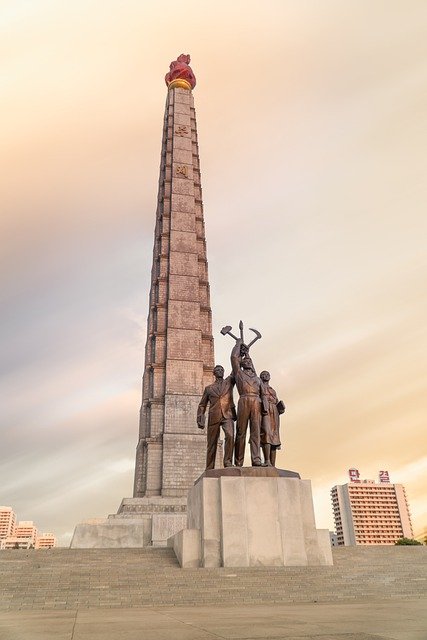
- Juche Tower: Symbolizing the Juche ideology, climb to the top for panoramic views of the city.
Kaesong and the DMZ
- Demilitarized Zone (DMZ): Visit Panmunjom and see the border with South Korea.
- Kaesong City: Explore the ancient capital of the Koryo Dynasty.
Mount Myohyang
- International Friendship Exhibition: A vast collection of gifts presented to North Korean leaders.
- Natural Scenery: Hike amidst lush forests and waterfalls.
Wonsan and Kumgangsan
- Kumgangsan (Diamond Mountain): Famous for its breathtaking landscapes and Buddhist temples.
- Wonsan City: Explore this coastal city and its scenic port.
Food and Cuisine
Traditional Dishes
- Kimchi: Spicy fermented cabbage, a staple of Korean cuisine.
- Naengmyeon (Cold Noodles): Served chilled, a specialty of Pyongyang.
- Bulgogi: Marinated grilled beef.
- Bibimbap: A rice dish with mixed vegetables and chili paste.
Dining Tips
- Meals for tourists are pre-arranged and served in designated restaurants.
- Try the local Taedonggang beer, a popular North Korean brew.
- Tipping is not customary.
Festivals and Events
- Day of the Sun (April 15): Celebrating Kim Il Sung’s birthday with parades and performances.
- Victory Day (July 27): Marking the end of the Korean War with grand military displays.
- Mass Games: A large-scale gymnastics and artistic performance held at the May Day Stadium.
Suggested Itineraries
3-Day Itinerary
- Day 1: Explore Pyongyang, including the Kumsusan Palace and Mansudae Grand Monument.
- Day 2: Visit the DMZ in Kaesong and return to Pyongyang.
- Day 3: Tour Juche Tower and the Pyongyang Metro.
5-Day Itinerary
- Day 1-2: Explore Pyongyang's major attractions.
- Day 3: Visit the DMZ and Kaesong.
- Day 4: Discover Mount Myohyang and the International Friendship Exhibition.
- Day 5: Optional trip to Wonsan or a cultural activity in Pyongyang.
Best Time to Visit
- Spring (April-May): Mild weather and blooming flowers.
- Autumn (September-October): Clear skies and pleasant temperatures.
- Avoid winter unless you are prepared for cold conditions.
Connectivity
- Internet: Not available for tourists.
- Mobile Phones: Foreign phones are typically confiscated at entry and returned upon departure. Local SIM cards are unavailable.
- Wi-Fi: Limited to hotels, often slow and heavily censored.
Travel Tips
- Always show respect for North Korean leaders, monuments, and culture.
- Bring essentials, as shopping options are minimal.
- Be aware that all interactions are monitored.
Conclusion
North Korea offers a travel experience like no other. From its meticulously maintained cities to its fascinating history and cultural displays, visiting the DPRK requires an open mind and adherence to strict guidelines. For those intrigued by its uniqueness, a trip to North Korea can be a once-in-a-lifetime opportunity.