Australia and Oceania
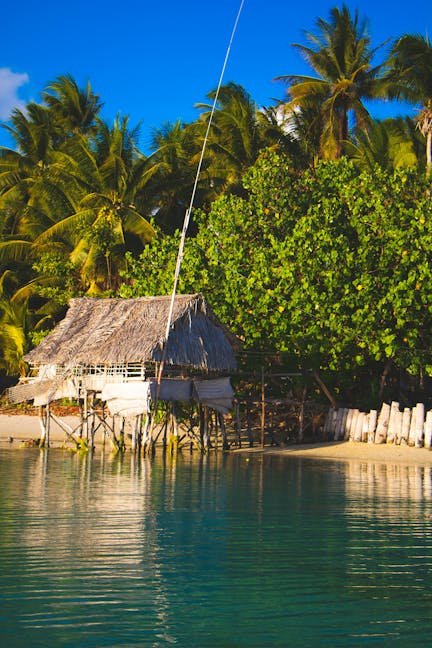
KiribatiKiribati, a mesmerizing nation of atolls and reef islands scattered across the central Pacific, invites you to experience its breathtaking natural beauty and rich cultural heritage. Imagine strolling along pristine beaches where crystal-clear waters meet vibrant coral reefs, or exploring the local villages where time-honored traditions come alive through music, dance, and craft. With its warm tropical climate, Kiribati offers an idyllic backdrop for adventures like snorkeling in tranquil lagoons or discovering the unique flora and fauna of this remote paradise. Embrace the spirit of discovery as you savor traditional dishes that blend fresh ingredients with rich history, creating a culinary journey you won't soon forget. In Kiribati, every moment is a celebration of nature and culture, beckoning you to create memories that will last a lifetime.


Comprehensive Travel Guide to Kiribati
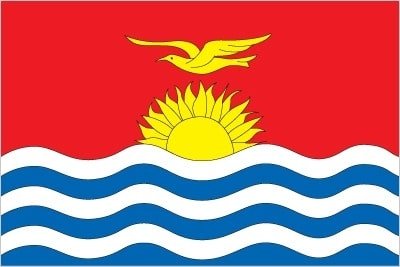
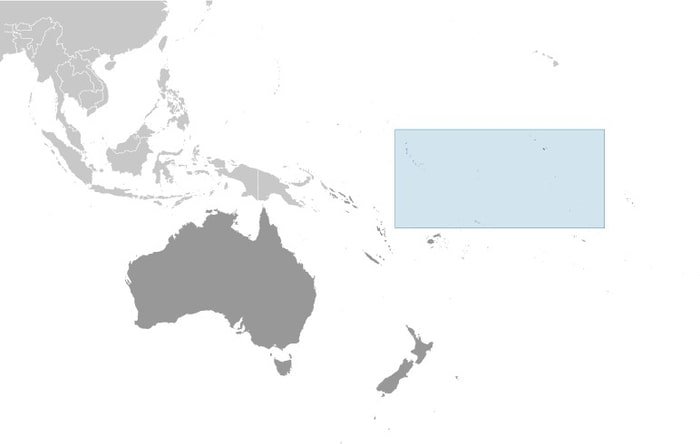
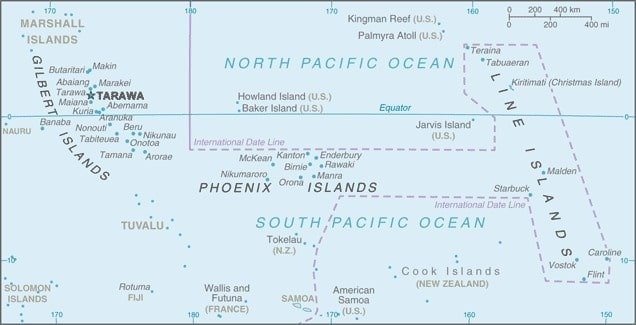
Kiribati, a unique and remote island nation in the central Pacific, consists of 33 atolls and reef islands spread across the equator. Known for its pristine beaches, traditional culture, and marine biodiversity, Kiribati offers travelers a chance to experience untouched natural beauty and a slower pace of life. This guide provides an overview of what you need to know before visiting this Pacific paradise.
General Information
- Capital: Tarawa
- Population: 116,545
- Currency: Australian Dollar (AUD)
- Time Zones: Multiple, including UTC +12, UTC +13, and UTC +14
- Official Languages: English and Gilbertese (I-Kiribati)
- Dialing Code: +686
- Driving Side: Left
Language and Communication
- Primary Languages: Gilbertese and English.
- Helpful Phrases in Gilbertese:
- Hello: Mauri
- Thank you: Ko rabwa
- How are you?: Ko uara?
- Goodbye: Ti a bo
Emergency Numbers
- Police: 192
- Fire: 193
- Ambulance: 194, 195
Currency and Money
- Currency: Australian Dollar (AUD)
- ATMs: Limited availability; mainly in South Tarawa.
- Credit Cards: Accepted in some hotels and larger establishments, but cash is preferred.
- Currency Exchange: Available at banks; bringing cash in Australian Dollars is recommended.
Electricity and Plugs
- Voltage: 240 V
- Frequency: 50 Hz
- Plug Types: Type I (Australian-style plug)
- Adapter Needed: Yes, if your plugs are of a different type.
Safety and Health
Safety
- General Safety: Kiribati is generally safe for travelers. However, be cautious in urban areas and avoid leaving belongings unattended.
- Natural Hazards: Be aware of high tides and climate-related events like storms.
Health
- Vaccinations: Routine vaccinations, Hepatitis A, and Typhoid are recommended.
- Water Safety: Drink bottled or boiled water to avoid waterborne diseases.
- Healthcare: Medical facilities are basic. For serious issues, evacuation to a nearby country like Australia or Fiji may be necessary. Travel insurance is essential.
Transportation
Getting There
- Flights: Kiribati is served by Fiji Airways with flights to Tarawa (Bonriki International Airport) and Kiritimati (Christmas Island) from Fiji and Hawaii.
Local Transport
- Public Buses: Limited to South Tarawa; affordable and commonly used by locals.
- Taxis: Available in urban areas, but often shared.
- Boats: Essential for traveling between islands; schedules may vary, so plan ahead.
Driving
- Road Conditions: Roads can be rough, especially on outer islands.
- Car Rentals: Available in South Tarawa but limited in options.
Top Attractions and Activities
Natural Wonders
- Kiritimati (Christmas Island):
- Renowned for world-class fly-fishing and birdwatching.
- Explore its stunning lagoons and coral reefs.
- Tarawa Atoll:
- Visit WWII relics and battle sites from the Battle of Tarawa.
- Enjoy the calm waters and white sand beaches.
- Fanning Island:
- Pristine beaches and excellent snorkeling and diving opportunities.
- Phoenix Islands Protected Area (PIPA):
- A UNESCO World Heritage Site and one of the largest marine protected areas globally.
- Known for its untouched coral reefs and rich biodiversity.
Cultural Highlights
- Traditional Villages: Learn about I-Kiribati customs, dances, and local crafts.
- Cultural Performances: Enjoy traditional music and dance during village celebrations or events.
- Tabiteuea Atoll: Experience authentic village life and witness traditional canoe building.
Outdoor Adventures
- Snorkeling and Diving:
- Explore vibrant coral reefs teeming with marine life.
- Best spots include Kiritimati and the lagoons of Tarawa.
- Fishing:
- Fly-fishing in Kiritimati is considered some of the best in the world.
- Lagoon Tours: Take boat trips to explore lagoons and uninhabited islands.
Food and Cuisine
Traditional Dishes
- Te Bun (Palm Syrup): Made from the sap of coconut trees, used in sweet treats.
- Fish Dishes: Freshly caught fish cooked in coconut milk or grilled.
- Breadfruit and Pandanus: Staple ingredients in many local meals.
- Seafood: Lobster, crab, and shellfish are widely available.
Drinks
- Toddy: A sweet drink made from coconut sap.
- Imported Beverages: Limited availability; beer and soft drinks can be expensive.
Dining Tips
- Dining options are limited outside South Tarawa and Kiritimati.
- Try local food at village gatherings or small eateries.
- Tipping is not a common practice.
Festivals and Events
- Independence Day (July 12): Celebrated with parades, dances, and cultural performances.
- Unimwane and Unaine Festivals: Celebrations honoring elders with traditional music and dances.
- Canoe Races: Often held during community events and festivals.
Suggested Itineraries
5-Day Itinerary
- Day 1: Arrive in Tarawa, visit WWII sites and local markets.
- Day 2: Relax on Tarawa’s beaches and explore nearby villages.
- Day 3: Take a day trip to the Phoenix Islands Protected Area.
- Day 4: Travel to Kiritimati for snorkeling and birdwatching.
- Day 5: Enjoy a lagoon tour and traditional I-Kiribati performance.
7-Day Itinerary
- Day 1-2: Explore South Tarawa’s historical sites and beaches.
- Day 3-4: Fly to Kiritimati, enjoy fishing, and explore lagoons.
- Day 5: Visit a remote outer island for a cultural experience.
- Day 6: Discover Fanning Island’s coral reefs and relax on its beaches.
- Day 7: Return to Tarawa for shopping and farewell.
Best Time to Visit
- Dry Season (May-October): Ideal for outdoor activities and exploring the islands.
- Wet Season (November-April): Higher humidity and potential for tropical storms.
Connectivity
- Wi-Fi: Limited and expensive; available in some hotels and government offices.
- SIM Cards: Purchase from providers like ATH Kiribati for local mobile data.
Travel Tips
- Respect local customs, especially when visiting villages.
- Dress modestly to adhere to cultural norms.
- Bring essential supplies, as shopping options are limited on outer islands.
Conclusion
Kiribati is a hidden gem in the Pacific, offering a unique blend of natural beauty, rich culture, and tranquility. Whether you’re seeking an off-the-beaten-path adventure or a peaceful island retreat, Kiribati promises a memorable experience that few destinations can match.