East and Southeast Asia
JapanJapan is a mesmerizing blend of ancient traditions and cutting-edge modernity, where tranquil temples coexist with neon-lit cityscapes, inviting women travelers to delve into a world steeped in culture and adventure. From the serene beauty of cherry blossoms in spring to the vibrant energy of bustling street markets, each moment in Japan promises to captivate your senses. Savor the delicate flavors of authentic sushi, immerse yourself in the artistry of tea ceremonies, and explore the picturesque landscapes of Kyoto, where history whispers through the bamboo groves. With friendly locals and a strong focus on safety, Japan offers a unique sanctuary for women seeking to wander, discover, and create unforgettable memories in a land where every corner tells a story.
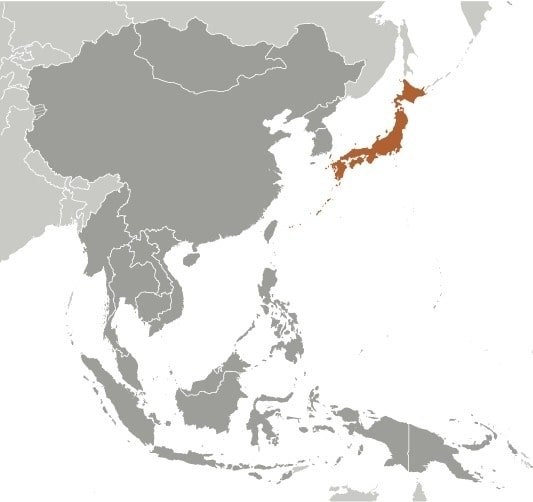
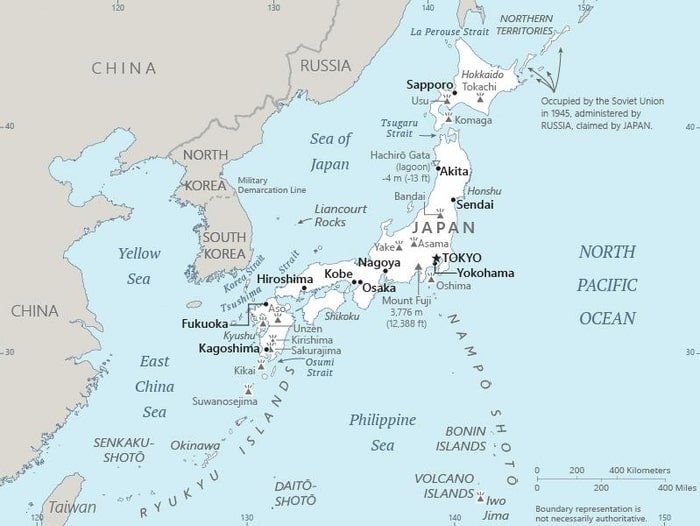
Comprehensive Travel Guide to Japan
Japan, an archipelago in East Asia, seamlessly blends ancient traditions with modern innovations. From bustling cities filled with neon lights to serene temples and natural wonders, Japan offers diverse experiences for every traveler.
General Information
- Capital: Tokyo
- Population: 123,201,945
- Currency: Japanese Yen (JPY)
- Time Zone: Japan Standard Time (JST), UTC +9
- Official Language: Japanese
- Dialing Code: +81
- Driving Side: Left
Language and Communication
- Official Language: Japanese
- Commonly Spoken: English is limited but improving, especially in tourist areas.
- Helpful Phrases in Japanese:
- Hello: Konnichiwa
- Thank You: Arigatou gozaimasu
- Excuse Me: Sumimasen
- How much is this?: Kore wa ikura desu ka?
Emergency Numbers
- Police: 110
- Fire and Ambulance: 119
Currency and Money
- Currency: Japanese Yen (JPY)
- ATMs: Widely available, but ensure your card is international-friendly (7-Eleven ATMs are a good option).
- Credit Cards: Accepted in urban areas, but cash is still preferred in smaller towns and rural areas.
- Currency Exchange: Available at airports, banks, and post offices.
Electricity and Plugs
- Voltage: 100 V
- Frequency: 50 Hz (East Japan, including Tokyo) and 60 Hz (West Japan, including Osaka)
- Plug Types: Type A and Type B
- Adapter Needed: Yes, for travelers from countries with different plug types.
Safety and Health
Safety
- General Safety: Japan is one of the safest countries in the world.
- Tips:
- Respect local etiquette and avoid causing public disturbances.
- Always keep your belongings secure on public transport.
Health
- Vaccinations: Routine vaccinations are recommended; no additional shots are usually required.
- Water Safety: Tap water is safe to drink throughout Japan.
- Healthcare: High-quality healthcare is available; travel insurance is recommended.
Transportation
Public Transport
- Trains: Japan’s train system is world-class, with bullet trains (Shinkansen) connecting major cities.
- Subways: Efficient in cities like Tokyo, Osaka, and Kyoto.
- Buses: Affordable but slower than trains.
Rail Pass
- The Japan Rail Pass (JR Pass) is ideal for long-distance travelers, offering unlimited travel on JR trains.
Driving
- Roads: Well-maintained, but driving is not necessary unless exploring rural areas.
- International Driver’s Permit (IDP): Required for foreign drivers.
Top Attractions and Activities
Tokyo
- Tokyo Tower and Skytree: Iconic landmarks offering panoramic city views.
- Asakusa and Senso-ji Temple: A historic area with a famous Buddhist temple.
- Shibuya Crossing: The world’s busiest pedestrian crossing.
- Akihabara: A haven for anime, manga, and tech enthusiasts.
Kyoto
- Fushimi Inari Taisha: Famous for its thousands of red torii gates.
- Kinkaku-ji (Golden Pavilion): A stunning gold-leaf-covered Zen temple.
- Arashiyama Bamboo Grove: A picturesque forest of towering bamboo.
Osaka
- Osaka Castle: A historic castle surrounded by beautiful gardens.
- Dotonbori: A vibrant district known for neon lights and street food.
- Universal Studios Japan: A theme park featuring popular franchises like Harry Potter.
Hiroshima
- Peace Memorial Park: Dedicated to the victims of the atomic bomb.
- Miyajima Island: Home to the floating torii gate of Itsukushima Shrine.
Hokkaido
- Sapporo Snow Festival: A winter wonderland with ice sculptures.
- Furano and Biei: Famous for lavender fields and rolling hills.
- Niseko: World-renowned for skiing and snowboarding.
Okinawa
- Shuri Castle: A UNESCO World Heritage Site reflecting Ryukyu culture.
- Ishigaki Island: Pristine beaches and coral reefs.
- Churaumi Aquarium: One of the largest aquariums in the world.
Food and Cuisine
Traditional Dishes
- Sushi and Sashimi: Fresh fish served in various forms.
- Ramen: Noodle soup with rich broths like miso or tonkotsu.
- Tempura: Lightly battered and fried seafood or vegetables.
- Okonomiyaki: Savory pancakes filled with meat, seafood, or vegetables.
- Takoyaki: Octopus-filled dough balls.
Drinks
- Sake: Rice wine served hot or cold.
- Matcha: Traditional powdered green tea.
- Japanese Whisky: Premium blends rivaling Scotch whisky.
Dining Tips
- Slurping noodles is considered polite.
- Tipping is not customary; exceptional service is expected.
Festivals and Events
- Cherry Blossom Season (March-April): Hanami (flower viewing) celebrations occur nationwide.
- Gion Matsuri (July): Kyoto’s famous festival with parades and traditional performances.
- Sumo Tournaments: Held in Tokyo, Osaka, Nagoya, and Fukuoka.
- Awa Odori (August): A vibrant dance festival in Tokushima.
Suggested Itineraries
5-Day Itinerary
- Day 1-2: Tokyo: Explore Asakusa, Shibuya, and Akihabara.
- Day 3: Take the Shinkansen to Kyoto: Visit Kinkaku-ji and Fushimi Inari.
- Day 4: Day trip to Nara to see Todai-ji Temple and tame deer.
- Day 5: Osaka: Enjoy Dotonbori and Osaka Castle.
10-Day Itinerary
- Day 1-3: Tokyo and nearby Nikko or Mount Fuji.
- Day 4-5: Kyoto for temples and Gion.
- Day 6: Nara for cultural heritage.
- Day 7-8: Osaka for food and Universal Studios Japan.
- Day 9-10: Hiroshima and Miyajima Island.
Best Time to Visit
- Spring (March-May): Cherry blossoms and mild weather.
- Autumn (September-November): Stunning fall foliage.
- Winter (December-February): Skiing in Hokkaido and festive illuminations.
- Summer (June-August): Hot and humid, but great for festivals and beaches.
Connectivity
- Wi-Fi: Free Wi-Fi is available in many public places and hotels.
- SIM Cards: Purchase prepaid SIM cards or portable Wi-Fi devices for internet access.
Travel Tips
- Japan Rail Pass: Plan long-distance travel to maximize savings.
- Cash: Carry enough cash for small restaurants and rural areas.
- Etiquette: Learn basic Japanese manners, like removing shoes before entering homes.
- Public Transport: Be quiet on trains; phone calls are discouraged.
Conclusion
Japan is a country where ancient traditions meet futuristic innovation. Whether you’re marveling at historic temples, indulging in world-class cuisine, or exploring vibrant cities, Japan offers unforgettable experiences.