Europe
ItalyItaly, a stunning tapestry of captivating landscapes and a profound historical legacy, invites travelers to immerse themselves in its vibrant culture and irresistible cuisine, offering an adventure that transcends the boundaries of time. From the quintessential canals of Venice to the breathtaking rolling hills of Tuscany, every region reveals a distinct tale just waiting to be explored. Wander through the ancient ruins of Rome, where the echoes of the past resonate with every step, enjoy the delightful flavors of homemade pasta in quaint trattorias that seem to embody the essence of Italian hospitality, or lose yourself in the spellbinding beauty of the Amalfi Coast, where dramatic cliffs embrace the shimmering azure sea. With a rich heritage of art and fashion that continues to captivate and inspire the world, Italy warmly beckons you to indulge your senses, explore its enchanting towns, and experience the genuine warmth of its people, ensuring that every moment spent here transforms into a cherished memory.
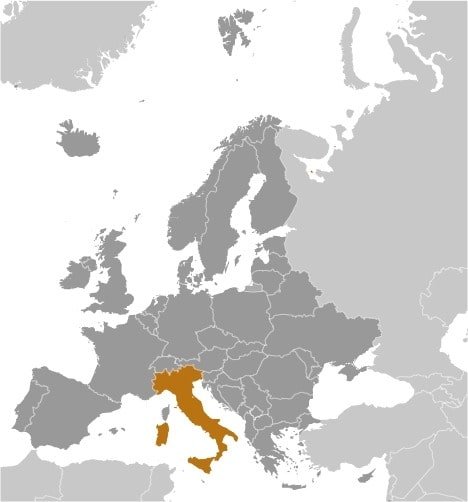
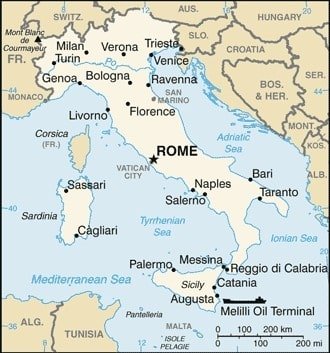
Comprehensive Travel Guide to Italy
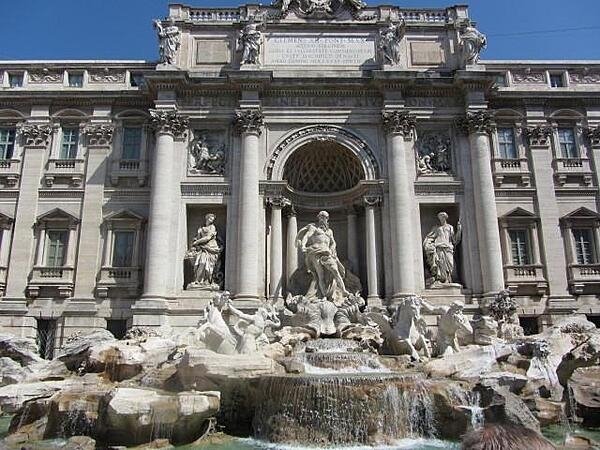
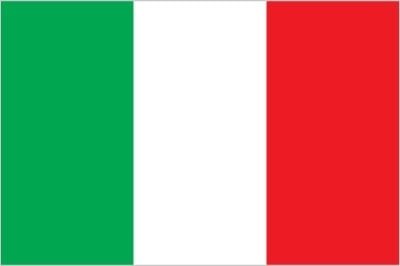
Italy, the heart of the Mediterranean, is renowned for its rich history, artistic heritage, exquisite cuisine, and breathtaking landscapes. From the ancient ruins of Rome to the romantic canals of Venice, the rolling vineyards of Tuscany, and the Amalfi Coast’s stunning coastline, Italy offers an unparalleled blend of culture, history, and natural beauty.
General Information
- Capital: Rome
- Population: 60,964,931
- Currency: Euro (€)
- Time Zone: Central European Time (CET), UTC +1 (Daylight Saving Time: UTC +2)
- Official Language: Italian
- Dialing Code: +39
- Driving Side: Right
Language and Communication
- Common Phrases in Italian:
- Hello: Ciao / Buongiorno
- Thank You: Grazie
- Good Morning: Buongiorno
- How Are You?: Come stai?
- English Proficiency: Widely spoken in tourist areas, but learning a few basic Italian phrases is appreciated.
Emergency Numbers
- Police: 112, 113
- Ambulance: 112, 118
- Fire: 112, 115
Currency and Money
- Currency: Euro (€)
- ATMs: Readily available in cities and towns.
- Credit Cards: Accepted in most hotels, restaurants, and shops.
- Currency Exchange: Found at airports, banks, and exchange offices.
Electricity and Plugs
- Voltage: 230 V
- Frequency: 50 Hz
- Plug Types: Type C, F, and L.
- Adapter Needed: Yes, for travelers from countries with different plug types.
Safety and Health
Safety
- General Safety: Italy is safe for tourists, but pickpocketing can occur in crowded areas.
- Precautions:
- Keep valuables secure, especially in popular spots like Rome, Venice, and Florence.
- Be cautious of scams targeting tourists.
Health
- Vaccinations: Routine vaccinations are sufficient.
- Water Safety: Tap water is safe to drink. Public fountains often have potable water.
- Healthcare: Excellent medical facilities; travel insurance is recommended.
Transportation
Public Transport
- Trains: The extensive rail network connects major cities and regions. High-speed trains like Frecciarossa and Italo are efficient.
- Buses: Used in towns and rural areas. Long-distance buses connect cities not served by trains.
- Metro: Available in cities like Rome, Milan, and Naples.
Taxis
- Official taxis are metered. Avoid unlicensed cabs, especially near airports.
Car Rentals
- Ideal for exploring countryside areas like Tuscany and the Amalfi Coast.
- Driving Tip: Italian drivers can be fast and assertive. Familiarize yourself with local rules.
Activities and Attractions
Historical Sites
- Colosseum – Rome: Iconic ancient Roman amphitheater and a powerful symbol of history.
- Roman Forum – Rome: Walk through the heart of ancient Roman civilization.
- Florence Cathedral – Florence: Stunning Renaissance architecture with breathtaking dome views.
- Pompeii – Near Naples: Preserved Roman city offering a fascinating glimpse into ancient life..
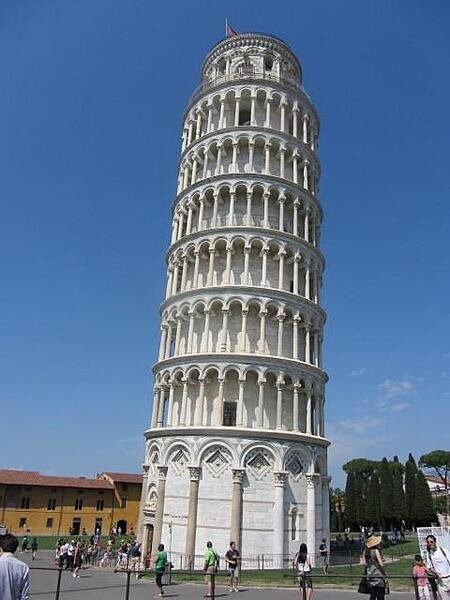
- Leaning Tower of Pisa – Pisa: A charming and world-famous medieval landmark.
Italy Islands
- Capri: Glamorous island known for turquoise waters and elegant vibes.
- Sicily: Rich culture, beaches, history, and Mount Etna adventures.
- Sardinia: Crystal-clear beaches and peaceful coastal escapes..
- Burano: Colorful houses and artisan lace — perfect for photography lovers
- Ischia: Thermal spas and relaxing seaside atmosphere.
Natural Wonders
- Amalfi Coast: Dramatic cliffs, pastel villages, and stunning sea views.
- Lake Como: Serene alpine lake surrounded by elegant villas.
- Dolomites: Majestic mountain scenery ideal for hiking and wellness retreats.
- Cinque Terre: Five colorful cliffside villages with scenic walking trails
Mount Etna: One of Europe’s most active volcanoes with guided hiking tours.
Urban Highlights
- Rome: A magical blend of history, shopping, and café culture.
- Florence: Art, fashion, artisan markets, and Renaissance beauty.
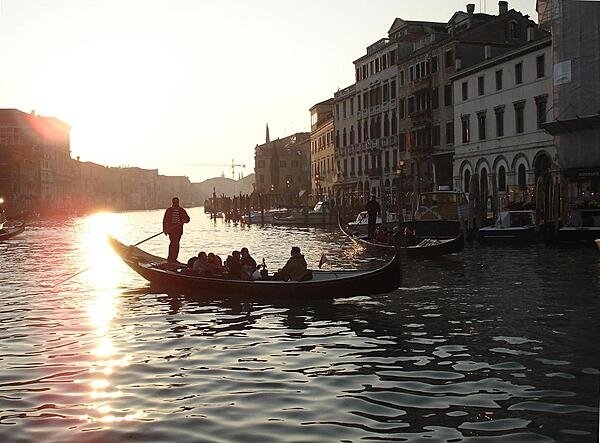
- Venice: Romantic canals and timeless elegance.
- Milan: Fashion capital with modern sophistication.
- Verona: Fairytale charm and Shakespearean romance.
Food and Cuisine
Traditional Dishes
- Pasta: Regional varieties include carbonara (Rome), ragu alla bolognese (Bologna), and pesto (Liguria).
- Pizza: Neapolitan-style pizza is world-famous.
- Risotto: Creamy rice dishes, especially in Milan.
- Gelato: Authentic Italian ice cream.
Drinks
- Espresso: A staple in Italian culture.
- Wine: Try Chianti, Barolo, Prosecco, and Brunello di Montalcino.
- Limoncello: Lemon liqueur from southern Italy.
Dining Tips
- Meal Times: Lunch (12:30–2:30 PM), Dinner (7:30–9:30 PM).
- Tipping: Not obligatory but appreciated (5–10%).
Shopping and Souvenirs
- Leather Handbag (Florence) – High-quality, handcrafted leather bags known for durability and timeless Italian style from Florence.
- Italian Shoes – Elegant and comfortable footwear made with fine materials and expert craftsmanship.
- Silk Scarf (Como) – Luxurious, lightweight scarves made with beautiful prints; silk production is famous in Como.
- Murano Glass Jewelry – Colorful handmade necklaces and earrings crafted on the island of Murano near Venice.
- Hand-Painted Ceramics (Amalfi Coast) – Bright, Mediterranean-style plates or small decorative dishes from the Amalfi Coast
- Limoncello (Sorrento) – A sweet lemon liqueur beautifully bottled and perfect as a gift from Sorrento.
- Italian Perfume or Skincare – Artisan fragrances and natural beauty products inspired by Italian botanicals.
- Designer Accessories (Milan) – Belts, sunglasses, or small leather goods from fashion boutiques in Milan.
Festivals and Events
- Carnival of Venice (February): Elaborate masks and festivities.
- Palio di Siena (July/August): Horse race in Siena’s Piazza del Campo.
- Rome’s Natale di Roma (April): Celebrating the city’s founding.
- Truffle Festivals: Autumn in regions like Alba and San Miniato.
- Opera Festivals: Held in Verona’s Roman amphitheater during summer.
Suggested Itineraries
3-Day Itinerary
- Day 1: Explore Rome’s Colosseum, Roman Forum, and Vatican City.
- Day 2: Day trip to Florence for its art and architecture.
- Day 3: Visit Venice’s canals and St. Mark’s Square.
7-Day Itinerary
- Days 1–2: Rome, including the Vatican and ancient sites.
- Day 3: Florence and Pisa.
- Day 4: Tuscany wine tour.
- Day 5: Venice and Murano Island.
- Day 6: Amalfi Coast, including Positano.
- Day 7: Naples and Pompeii.
Best Time to Visit
- Spring (April–June): Pleasant weather and blooming landscapes.
- Autumn (September–October): Mild temperatures and harvest festivals.
- Summer (July–August): Peak tourist season; coastal areas are vibrant.
- Winter (November–March): Fewer crowds, ideal for exploring cities.
Connectivity
- Wi-Fi: Available in hotels, cafes, and public spaces.
- SIM Cards: TIM, Vodafone, and WindTre offer prepaid options.
Travel Tips
- Pre-Book Tickets: Popular attractions like the Colosseum and Uffizi Gallery sell out quickly.
- Dress Code: Modest attire is required at religious sites.
- City Passes: Save on transport and entry fees with city passes.
- Regional Etiquette: Greet locals with a friendly “Buongiorno” or “Buonasera.”
Conclusion
Italy offers an extraordinary mix of history, art, and cuisine that captivates visitors. Whether you're marveling at ancient ruins, savoring regional delicacies, or enjoying a gondola ride in Venice, every corner of Italy promises an unforgettable experience.