Comprehensive Travel Guide to Hungary
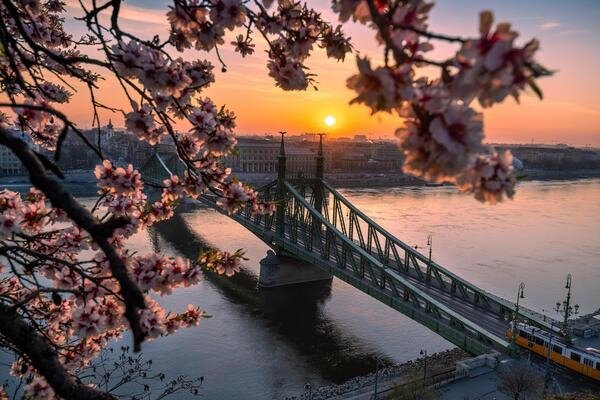
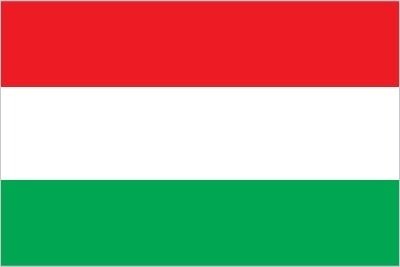
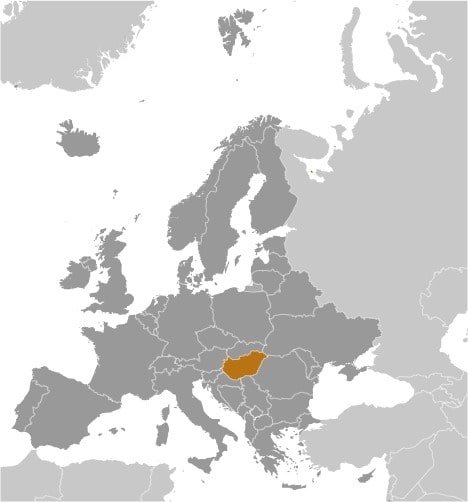
Hungary is a landlocked country in Central Europe known for its rich history, vibrant culture, and natural beauty. From the architectural splendor of Budapest to the thermal baths, picturesque countryside, and delicious cuisine, Hungary offers an unforgettable experience for all types of travelers.
General Information
- Capital: Budapest
- Population: 9,855,745
- Currency: Hungarian Forint (HUF)
- Time Zone: Central European Time (CET), UTC +1; Daylight Saving Time applies (UTC +2)
- Official Language: Hungarian (Magyar)
- Dialing Code: +36
- Driving Side: Right
Language and Communication
- Primary Language: Hungarian
- Helpful Phrases:
- Hello: Helló / Szia
- Thank You: Köszönöm
- Good Morning: Jó reggelt
- How are you?: Hogy vagy?
- Goodbye: Viszontlátásra
Emergency Numbers
- General Emergency: 112
- Police: 107
- Fire: 105
- Ambulance: 104
Currency and Money
- Currency: Hungarian Forint (HUF)
- ATMs: Widely available in cities and towns.
- Credit Cards: Accepted at most hotels, restaurants, and major shops.
- Currency Exchange: Available at banks, exchange offices, and airports.
Electricity and Plugs
- Voltage: 230 V
- Frequency: 50 Hz
- Plug Types: Type C and F (European-style plugs)
- Adapter Needed: Yes, for travelers from countries using different plug types.
Safety and Health
Safety
- General Safety: Hungary is a safe country for tourists, but pickpocketing can occur in crowded areas.
- Night Travel: Safe in urban areas, though caution is advised in less populated regions.
Health
- Vaccinations: Routine vaccinations are sufficient; no special vaccinations required.
- Water Safety: Tap water is safe to drink.
- Healthcare: High-quality healthcare services are available, especially in urban areas. Travel insurance is recommended.
Transportation
Public Transport
- Buses, Trams, and Trolleys: Widely used in Budapest and major cities.
- Metro: Budapest’s metro system is efficient and includes four lines.
- Trains: Operated by MÁV, they connect major cities and towns.
- Boats: Danube River cruises are popular for sightseeing.
Taxis and Rideshares
- Taxis: Use official taxi services (yellow cabs) to avoid scams.
- Rideshares: Bolt is the most popular ridesharing app in Hungary.
Driving
- Car Rentals: Available at airports and in major cities.
- Road Conditions: Roads are generally well-maintained. A vignette is required for highway travel.
Key Attractions and Activities
Urban Highlights
- Budapest:
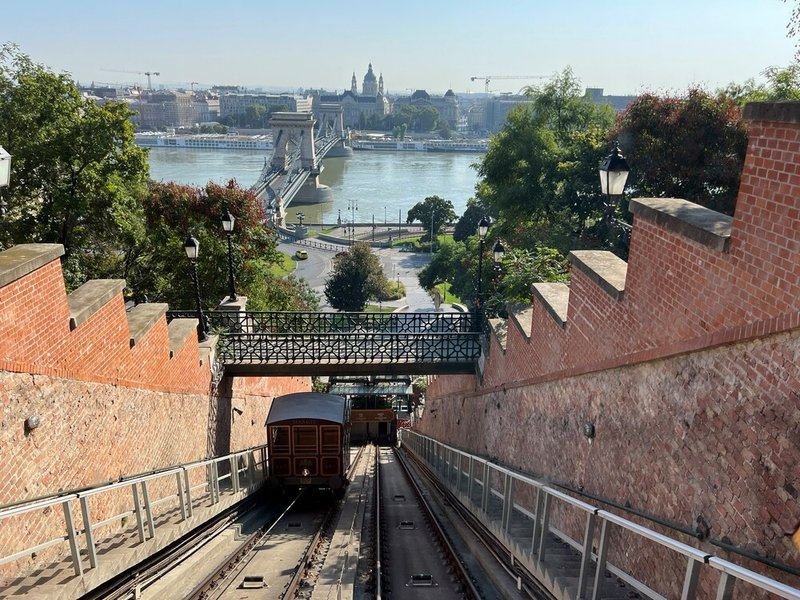
- Buda Castle: A UNESCO World Heritage Site offering stunning views of the city.
- Parliament Building: One of the largest and most beautiful parliament buildings in Europe.
- Thermal Baths: Relax in historic baths like Széchenyi or Gellért.
- Debrecen:
- The Great Reformed Church: A symbol of Hungarian Protestantism.
- Hortobágy National Park: A UNESCO-listed site known for its Puszta landscape.
- Pécs:
- Early Christian Necropolis: A UNESCO World Heritage Site.
- Zsolnay Cultural Quarter: A hub for arts and culture.
Natural Wonders
- Lake Balaton:
- Known as the "Hungarian Sea," it's perfect for swimming, sailing, and wine tasting.
- Hortobágy National Park:
- Hungary's largest protected area, ideal for birdwatching and exploring traditional pastoral life.
- Aggtelek National Park:
- Famous for its impressive Baradla Cave system.
Cultural Experiences
- Esztergom Basilica:
- The largest church in Hungary and a stunning example of neoclassical architecture.
- Tokaj Wine Region:
- A UNESCO World Heritage Site and home to Hungary's world-famous sweet Tokaji wines.
Food and Cuisine
Must-Try Dishes
- Goulash (Gulyás): A hearty soup made with beef, potatoes, and paprika.
- Lángos: Deep-fried dough topped with sour cream and cheese.
- Chicken Paprikash: Chicken in a creamy paprika sauce served with dumplings.
- Dobos Torte: A layered sponge cake with caramel topping.
- Tokaji Wine: A sweet dessert wine known as the "Wine of Kings."
Dining Tips
- Local Etiquette: Hungarians value polite table manners.
- Tipping: 10-15% is standard in restaurants.
Festivals and Events
- Budapest Spring Festival (March-April): A celebration of art, music, and culture.
- Sziget Festival (August): One of Europe’s largest music festivals, held on an island in Budapest.
- Hungarian National Day (March 15): Celebrations and events commemorating the 1848 Revolution.
- Christmas Markets (November-December): Festive markets in Budapest and other cities.
Suggested Itineraries
3-Day Itinerary
- Day 1: Explore Budapest’s highlights, including Buda Castle, Parliament, and thermal baths.
- Day 2: Take a day trip to Esztergom Basilica and Szentendre.
- Day 3: Cruise on the Danube and enjoy local cuisine at a ruin pub.
7-Day Itinerary
- Day 1-2: Discover Budapest’s iconic landmarks and cultural sites.
- Day 3: Visit Lake Balaton for wine tasting and relaxation.
- Day 4: Explore Pécs and its UNESCO-listed sites.
- Day 5: Tour the Tokaj Wine Region.
- Day 6: Hike in Aggtelek National Park.
- Day 7: Immerse yourself in the traditions of Hortobágy National Park.
Best Time to Visit
- Spring (March-May): Mild weather and fewer crowds.
- Summer (June-August): Warm and ideal for outdoor activities.
- Autumn (September-November): Beautiful fall foliage and wine harvest festivals.
- Winter (December-February): Cold but magical, with Christmas markets and thermal baths.
Connectivity
- Wi-Fi: Widely available in hotels, cafes, and public spaces.
- SIM Cards: Purchase prepaid SIM cards from providers like Telekom, Vodafone, or Yettel.
Conclusion
Hungary offers a perfect mix of history, culture, and natural beauty. Whether you’re relaxing in Budapest’s thermal baths, savoring goulash by Lake Balaton, or exploring UNESCO heritage sites, Hungary promises an enriching and memorable travel experience.

![Hungary jpg [44.1 kB, 358.26771653543307 x 700] Hungary map showing major cities as well as parts of surrounding countries.](https://idyllic.travel/wp-content/uploads/2024/12/HU-map-min.jpg "Hungary jpg [44.1 kB, 358.26771653543307 x 700] Hungary map showing major cities as well as parts of surrounding countries.")