Comprehensive Travel Guide to Honduras
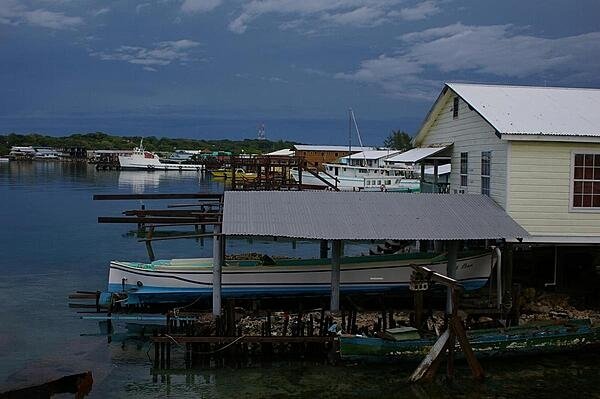
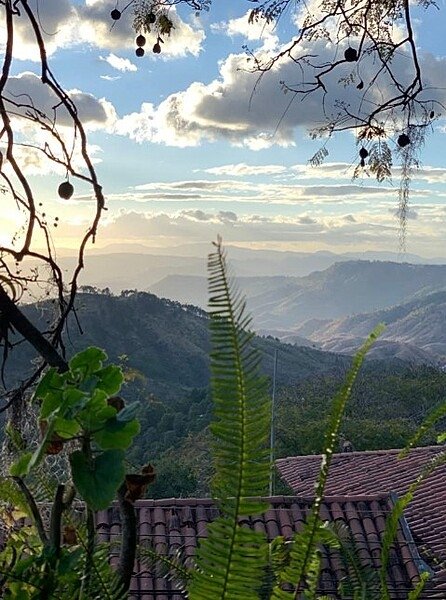
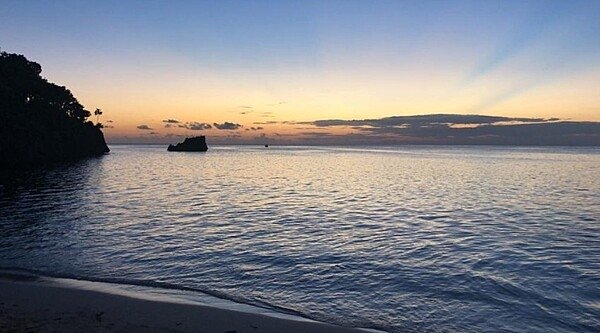
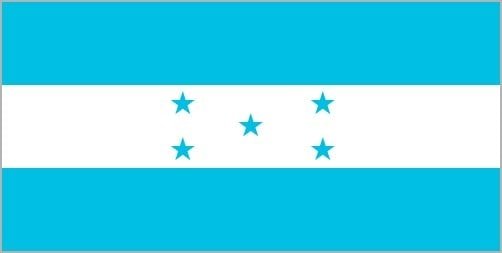
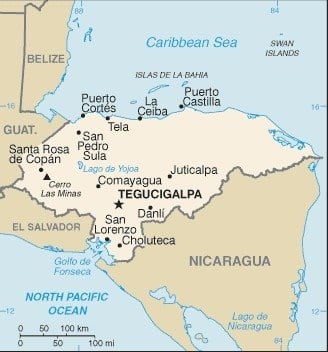
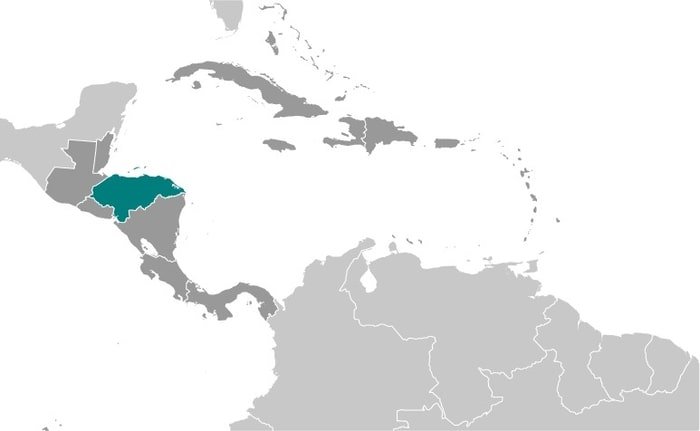
Honduras is a vibrant Central American country known for its stunning natural beauty, Mayan ruins, pristine beaches, and lush rainforests. It offers a unique blend of cultural heritage, adventure, and relaxation, making it a great destination for travelers. From the ancient ruins of Copán to the Caribbean charm of the Bay Islands, Honduras is a hidden gem waiting to be explored.
General Information
- Capital City: Tegucigalpa
- Population: 9,529,188
- Currency: Honduran Lempira (HNL)
- Time Zone: Central Standard Time (CST), UTC -6
- Official Language: Spanish
- Dialing Code: +504
- Driving Side: Right
Language and Communication
- Primary Language: Spanish
- Commonly Spoken: English (in tourist areas, especially the Bay Islands)
- Helpful Phrases:
- Hello: Hola
- Thank You: Gracias
- Good Morning: Buenos días
- How are you?: ¿Cómo estás?
- Goodbye: Adiós
Emergency Numbers
- Police: 911
- Fire: 198
- Ambulance: 195
Currency and Money
- Currency: Honduran Lempira (HNL)
- ATMs: Widely available in cities and tourist areas.
- Credit Cards: Accepted in most urban areas, hotels, and major establishments. Carry cash for remote regions.
- Currency Exchange: Available at banks, exchange offices, and major airports.
Electricity and Plugs
- Voltage: 110 V
- Frequency: 60 Hz
- Plug Types: Type A and B (same as in the United States)
- Adapter Needed: Not required for travelers from the U.S.; others may need an adapter.
Safety and Health
Safety
- General Safety: Exercise caution due to potential petty crime. Avoid walking alone at night, especially in urban areas.
- Travel Advisory: Research the security situation before traveling to specific regions.
- Precautions: Use registered taxis or rideshares, keep valuables secure, and be vigilant in crowded areas.
Health
- Vaccinations: Routine vaccinations, Hepatitis A, and Typhoid are recommended. Yellow Fever vaccination may be required if arriving from a Yellow Fever-endemic country.
- Water Safety: Drink bottled or filtered water; avoid tap water.
- Healthcare: Urban areas have hospitals and clinics; rural areas may have limited facilities. Ensure you have travel insurance covering medical emergencies.
Transportation
Getting There
- Airports:
- Toncontín International Airport (TGU): Tegucigalpa.
- Ramón Villeda Morales International Airport (SAP): San Pedro Sula.
- Juan Manuel Gálvez International Airport (RTB): Roatán (Bay Islands).
- By Land: Border crossings with Guatemala, El Salvador, and Nicaragua.
Public Transport
- Buses: The most common form of public transport. Long-distance buses connect major cities, while local buses are used within towns.
- Taxis: Widely available but negotiate fares before starting the ride.
- Car Rentals: Available in major cities and airports. Roads can be challenging in rural areas.
Key Attractions and Activities
Historical and Cultural Sites
- Copán Ruins:
- A UNESCO World Heritage Site, these Mayan ruins are renowned for their intricate hieroglyphics and sculptures.
- Highlights include the Hieroglyphic Stairway and the Great Plaza.
- Comayagua:
- Known for its colonial architecture and historic churches, including the Cathedral of the Immaculate Conception with one of the oldest clocks in the Americas.
Natural Wonders
- Bay Islands (Roatán, Utila, Guanaja):
- Famous for white-sand beaches, coral reefs, and world-class diving and snorkeling. Roatán is a hotspot for marine activities, while Utila is known for affordable diving certifications.
- Lake Yojoa:
- Honduras’s largest lake, surrounded by lush hills, waterfalls, and bird-watching opportunities.
- Pico Bonito National Park:
- Offers hiking trails, waterfalls, and incredible biodiversity. Perfect for nature enthusiasts.
Adventure Activities
- Diving and Snorkeling:
- The Mesoamerican Barrier Reef near the Bay Islands is a must-visit for underwater explorers.
- La Tigra National Park:
- A cloud forest offering scenic hikes and wildlife encounters.
- River Rafting:
- Experience thrilling white-water rafting on the Río Cangrejal near La Ceiba.
Food and Cuisine
Traditional Dishes
- Baleadas:
- A flour tortilla filled with beans, cheese, and optional ingredients like eggs or meat.
- Sopa de Caracol:
- A rich conch soup flavored with coconut milk and local spices.
- Tajadas:
- Fried plantain slices, often served with beef or chicken.
- Pastelitos:
- Savory pastries filled with meat, rice, or potatoes.
Dining Tips
- Local Markets: Great for authentic street food and fresh produce.
- Tipping: A 10% tip is customary at restaurants.
Shopping and Souvenirs
- Handicrafts:
- Handwoven textiles, pottery, and wooden carvings.
- Lempira-Inspired Art:
- Artwork inspired by the national hero Lempira.
- Honduran Coffee:
- Renowned for its quality and unique flavors.
- Jewelry:
- Lenca-inspired designs featuring silver and other materials.
Festivals and Events
- Semana Santa (Holy Week):
- Celebrated with vibrant processions and religious ceremonies, particularly in Comayagua.
- Feria Juniana (June Fair):
- Held in San Pedro Sula with parades, concerts, and cultural events.
- Punta Gorda Festival:
- Celebrated in Roatán by the Garifuna people with music, dance, and traditional food.
Suggested Itineraries
3-Day Itinerary
- Day 1: Explore Tegucigalpa and visit the National Art Gallery and La Tigra National Park.
- Day 2: Visit the Copán Ruins and discover the history of the Mayan civilization.
- Day 3: Travel to the Bay Islands and relax on the beaches of Roatán.
7-Day Itinerary
- Day 1-2: Explore Tegucigalpa and Comayagua.
- Day 3: Visit Copán Ruins.
- Day 4: Travel to La Ceiba and experience Pico Bonito National Park.
- Day 5-6: Dive or snorkel in Roatán and enjoy the Bay Islands.
- Day 7: Return to the mainland and explore Lake Yojoa.
Best Time to Visit
- Dry Season (November to April): Ideal for outdoor activities and exploring beaches.
- Rainy Season (May to October): Lush landscapes and fewer crowds but expect occasional heavy rains.
Connectivity
- Wi-Fi: Widely available in urban areas, hotels, and cafes.
- SIM Cards: Purchase from providers like Tigo or Claro for mobile data.
Conclusion
Honduras offers a rich blend of culture, history, and natural beauty, making it an ideal destination for adventurous travelers and history buffs alike. Whether you're exploring the ancient ruins of Copán, diving in the crystal-clear waters of the Bay Islands, or hiking through lush rainforests, Honduras promises an unforgettable experience.