Central America and the Caribbean
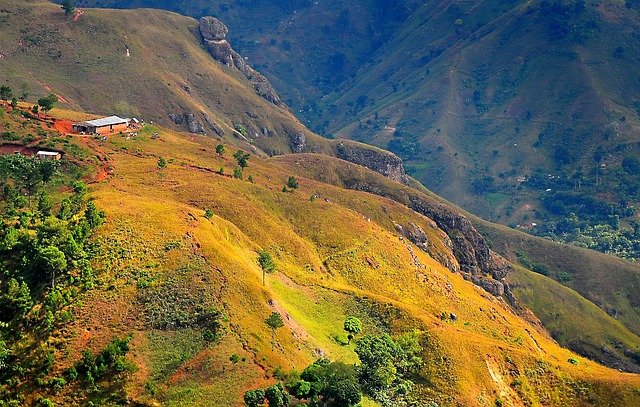
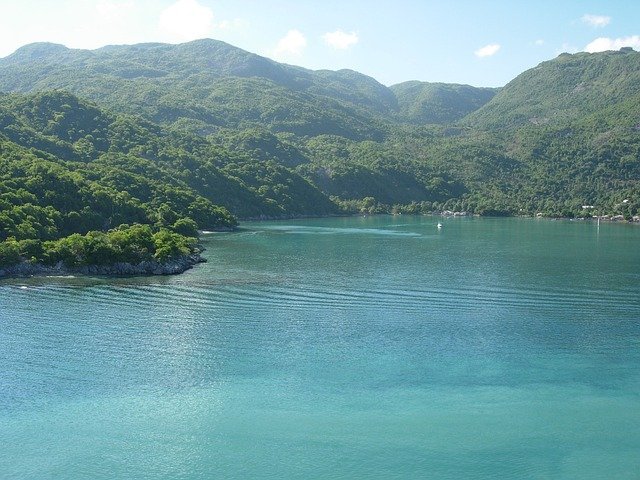
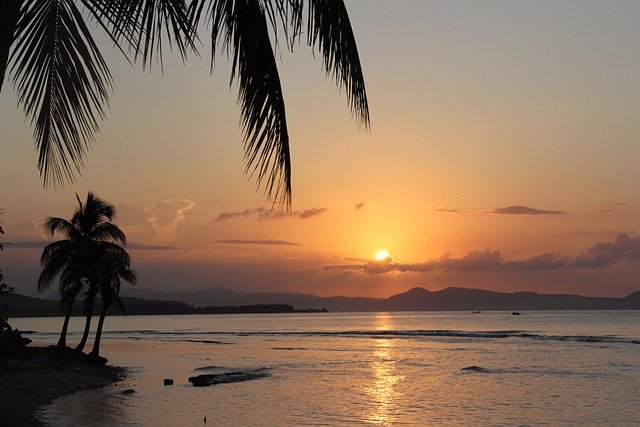
HaitiHaiti, a vibrant tapestry of culture and resilience, invites you to explore its stunning landscapes, from the lush mountains to the turquoise coastline, all while immersing yourself in its rich history and deep-rooted traditions. Experience the warmth of Haitian hospitality as you stroll through colorful markets filled with handcrafted art, savor the flavors of local cuisine bursting with spices, and dance to the rhythms of the islands. From the historic streets of Port-au-Prince to the serene beauty of Jacmel’s beaches, Haiti offers an unforgettable journey that celebrates strength and creativity against a backdrop of breathtaking natural beauty. Discover the spirit of this captivating destination that tells a story of hope and renewal, making it a truly unique addition to your travels in Central America and the Caribbean.
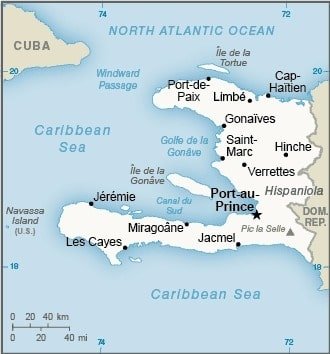
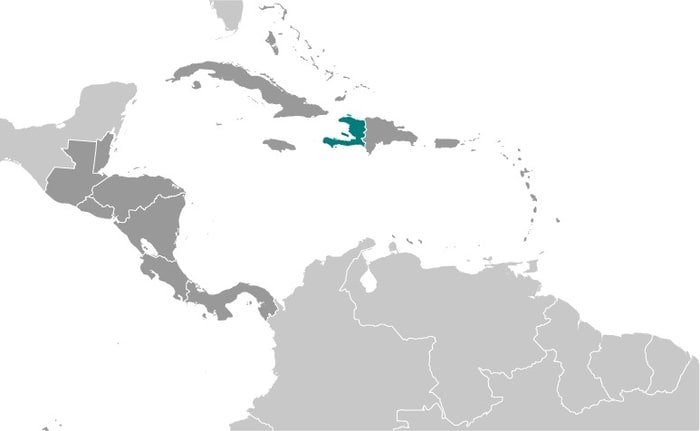
Comprehensive Travel Guide to Haiti
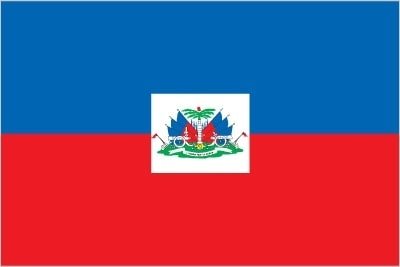
Haiti, the first independent nation in Latin America and the Caribbean, is rich in history, culture, and natural beauty. From its vibrant cities to its tranquil beaches and mountainous landscapes, Haiti offers a unique blend of experiences for adventurous travelers. Its dynamic culture, deep historical roots, and vibrant art scene make it a fascinating destination.
General Information
- Capital: Port-au-Prince
- Population: 11,753,943
- Currency: Haitian Gourde (HTG)
- Time Zone: Eastern Standard Time (EST), UTC -5
- Official Languages: Haitian Creole and French
- Dialing Code: +509
- Driving Side: Right
Language and Communication
- Primary Languages: Haitian Creole and French
- Helpful Phrases:
- Hello: Bonjou (Creole) / Bonjour (French)
- Thank You: Mèsi (Creole) / Merci (French)
- How are you?: Kijan ou ye? (Creole) / Comment ça va? (French)
- Goodbye: Orevwa (Creole) / Au revoir (French)
Emergency Numbers
- Police: 114
- Fire: 115
- Ambulance: 116
Currency and Money
- Currency: Haitian Gourde (HTG)
- ATMs: Available in major cities, but carry cash for rural areas.
- Credit Cards: Accepted in upscale hotels and restaurants; cash is preferred for most transactions.
- Currency Exchange: Available at banks, exchange offices, and airports.
Electricity and Plugs
- Voltage: 110 V
- Frequency: 60 Hz
- Plug Types: Type A and B (same as in the United States).
- Adapter Needed: No, for U.S. travelers; Yes, for others.
Safety and Health
Safety
- General Safety: Exercise caution, particularly in urban areas like Port-au-Prince, due to petty theft and political unrest.
- Precautions: Avoid walking alone at night, and stay updated on local news.
- Travel Advisory: Use reputable guides and avoid demonstrations or large gatherings.
Health
- Vaccinations: Hepatitis A, Typhoid, and routine vaccinations are recommended.
- Water Safety: Drink bottled or boiled water.
- Healthcare: Limited outside urban centers; ensure travel insurance includes medical evacuation.
Transportation
Public Transport
- Tap-taps: Colorful shared minibuses and trucks; a local and inexpensive transport option.
- Taxis: Available in cities; negotiate fares beforehand.
Driving
- Road Conditions: Poor in many areas; 4x4 vehicles are recommended.
- Car Rentals: Available in Port-au-Prince; driving is challenging due to traffic and road conditions.
Activities and Attractions
Natural Wonders
- Citadelle Laferrière:
- A UNESCO World Heritage Site, this 19th-century fortress offers breathtaking views and historical significance.
- Bassin Bleu:
- A series of turquoise waterfalls and pools near Jacmel, perfect for swimming and relaxation.
- Pic Macaya National Park:
- A biodiverse park with hiking trails, rare species, and stunning landscapes.
Beaches
- Labadee:
- A private resort area known for its pristine beaches and water activities.
- Île-à-Vache:
- A peaceful island paradise with unspoiled beaches and a laid-back atmosphere.
Urban Highlights
- Port-au-Prince:
- Visit the Iron Market (Marché en Fer) for crafts and local goods.
- Explore the Musée du Panthéon National Haïtien (MUPANAH) to learn about Haiti’s revolutionary history.
- Jacmel:
- Known for its vibrant arts scene and colonial architecture.
- Home to Haiti’s famous carnival celebrations.
Cultural Experiences
- Vodou Ceremonies: Gain insight into Haiti’s unique spiritual practices by attending a guided ceremony.
- Artisan Workshops: Visit workshops in Jacmel to see traditional papier-mâché masks and other crafts.
Festivals and Events
- Haitian Carnival (February): The country’s most vibrant celebration with parades, music, and dancing.
- Fête de la Musique (June): A national music festival celebrating Haiti’s diverse sounds.
- Festival Film Jakmèl (Jacmel Film Festival): Showcases local and international films.
Food and Cuisine
Traditional Dishes
- Griot: Fried pork marinated in citrus and spices.
- Tassot: Dried and fried goat meat.
- Diri ak Pwa: Rice and beans, often served with a flavorful sauce.
- Bouyon: A hearty stew with meat, vegetables, and dumplings.
Drinks
- Clairin: A traditional Haitian white rum.
- Prestige: Haiti’s award-winning lager beer.
- Fresh Juices: Made from local fruits like mango, passion fruit, and guava.
Shopping and Souvenirs
- Handcrafted Goods: Intricate wood carvings, metal art, and beaded jewelry.
- Haitian Art: Brightly colored paintings and sculptures reflecting Haitian culture.
- Coffee: Locally grown, high-quality Haitian coffee beans.
- Spices: Unique Haitian blends for cooking.
Suggested Itineraries
3-Day Itinerary
- Day 1: Explore Port-au-Prince, including the Iron Market and MUPANAH.
- Day 2: Visit the Citadelle Laferrière and nearby Sans-Souci Palace.
- Day 3: Relax at Bassin Bleu or Labadee.
7-Day Itinerary
- Day 1-2: Immerse yourself in Port-au-Prince and its cultural attractions.
- Day 3-4: Travel to Cap-Haïtien to see the Citadelle Laferrière and explore the region.
- Day 5: Relax on the beaches of Labadee or Île-à-Vache.
- Day 6: Visit Jacmel for art, architecture, and the Bassin Bleu.
- Day 7: Spend your final day enjoying Haitian cuisine and shopping for souvenirs.
Best Time to Visit
- Dry Season (November to March): Ideal for exploring and outdoor activities.
- Wet Season (April to October): Expect heavy rains, but lush landscapes and fewer crowds.
Connectivity
- Wi-Fi: Available in hotels and cafes in urban areas but limited elsewhere.
- SIM Cards: Purchase from providers like Digicel or Natcom for mobile data.
Conclusion
Haiti offers a unique blend of natural beauty, historical significance, and cultural vibrancy. From the towering Citadelle Laferrière to the serene beaches of Labadee, this Caribbean nation invites travelers to discover its hidden gems. Despite its challenges, Haiti’s resilience and charm leave a lasting impression on those who visit.