Africa
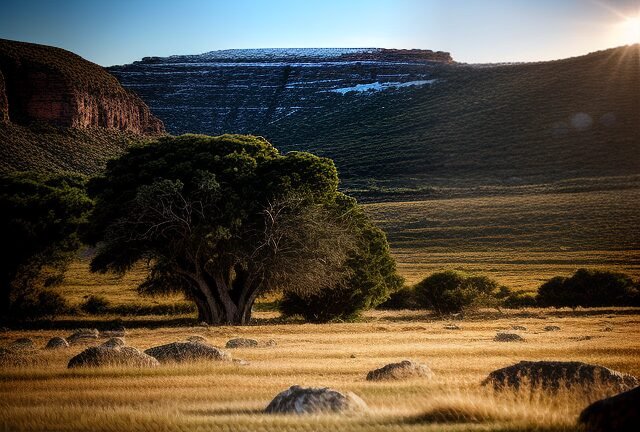
GuineaNestled on the western coast of Africa, Guinea beckons travelers with its breathtaking landscapes, rich cultural heritage, and vibrant traditions that echo the spirit of its diverse communities. From the lush greenery of the Fouta Djallon highlands to the sun-kissed shores of the Atlantic Ocean, this enchanting country offers a tapestry of experiences waiting to be explored. Discover bustling markets brimming with colorful textiles and handcrafted goods, immerse yourself in the rhythm of traditional dance and music, and savor the aromatic delights of Guinea's cuisine, where each dish tells a story of its own. With welcoming locals ready to share their history and hospitality, Guinea is a hidden gem that promises an unforgettable journey for those willing to venture off the beaten path and embrace the heart of West Africa.



Comprehensive Travel Guide to Guinea
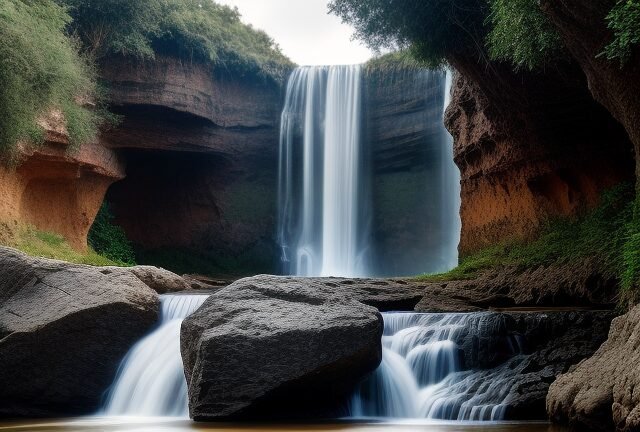
Guinea, located on the west coast of Africa, is a land of stunning natural beauty and vibrant culture. With vast rainforests, majestic waterfalls, and historical significance, it offers a unique and off-the-beaten-path travel experience for adventurers and culture enthusiasts alike.
General Information
- Capital: Conakry
- Population: 13,986,179
- Currency: Guinean Franc (GNF)
- Time Zone: Greenwich Mean Time (GMT), UTC +0
- Official Language: French
- Dialing Code: +224
- Driving Side: Right
Language and Communication
- Primary Language: French
- Local Languages: Fulani (Fula), Mandinka, and Susu are widely spoken.
- Helpful Phrases:
- Hello: Bonjour
- Thank You: Merci
- Please: S’il vous plaît
- How are you?: Comment ça va?
Emergency Numbers
- Police: 117
- Fire: 442 / 020
- Ambulance: 18
Currency and Money
- Currency: Guinean Franc (GNF)
- ATMs: Limited and often unreliable outside major cities.
- Credit Cards: Not widely accepted; carry cash for transactions.
- Currency Exchange: Available at banks and exchange offices in cities.
Electricity and Plugs
- Voltage: 220 V
- Frequency: 50 Hz
- Plug Types: Type C, F, K (European-style plugs)
- Adapter Needed: Yes, for travelers from countries with different plug types.
Safety and Health
Safety
- General Safety: Guinea is relatively safe but exercise caution in crowded areas to avoid petty theft.
- Political Unrest: Be aware of potential protests or demonstrations; stay updated on local news.
- Travel Advice: Avoid traveling at night and stick to reputable guides for rural excursions.
Health
- Vaccinations: Yellow Fever vaccination is mandatory; Hepatitis A, Typhoid, and Malaria prophylaxis are recommended.
- Water Safety: Avoid tap water; drink bottled or boiled water.
- Healthcare: Limited outside major cities; ensure comprehensive travel insurance.
Transportation
Public Transport
- Taxis: Shared taxis are the most common form of transport but can be crowded.
- Buses and Minibuses: Inexpensive but not well-organized.
Driving
- Road Conditions: Roads are often in poor condition, especially in rural areas.
- Car Rentals: Limited and usually require a driver.
Activities and Attractions
Natural Wonders
- Mount Nimba Strict Nature Reserve: A UNESCO World Heritage Site featuring diverse flora and fauna, including chimpanzees and rare plants.
- Waterfalls:
- Chutes de la Sala: Near Pita, ideal for hiking and photography.
- Chutes de Kambadaga: A dramatic series of cascading waterfalls.
- Fouta Djallon: A stunning highland region with rolling hills, valleys, and waterfalls.
Urban Highlights
- Conakry:
- Visit the National Museum to explore Guinea’s cultural artifacts.
- Stroll through the lively markets to experience local life.
- Kindia: Known for its vibrant market and nearby Chutes de Marié waterfalls.
Cultural Experiences
- Traditional Villages: Explore the customs and lifestyles of the Fulani, Mandinka, and Susu communities.
- Music and Dance: Guinea is renowned for its traditional drumming and dance performances.
Festivals and Events
- Independence Day (October 2): Celebrations with parades, music, and cultural events.
- Tabaski (Eid al-Adha): A major Islamic holiday celebrated with feasts and community gatherings.
- Fête des Masques: Traditional mask dances held in rural areas.
Food and Cuisine
Traditional Dishes
- Poulet Yassa: Chicken marinated in lemon and onions, served with rice.
- Jollof Rice: A flavorful dish made with tomatoes, vegetables, and spices.
- Fufu: A starchy accompaniment made from cassava or yams.
- Grilled Fish: Freshly caught and seasoned, often served with rice or plantains.
Drinks
- Ginger Juice: A refreshing, spicy-sweet drink.
- Palm Wine: A locally brewed alcoholic beverage.
Shopping and Souvenirs
- Handcrafted Masks: Traditional wooden masks representing Guinean culture.
- Textiles: Vibrant fabrics and garments featuring intricate patterns.
- Beads and Jewelry: Locally made items using natural materials.
- Spices: Local spices such as pepper and ginger make excellent souvenirs.
Suggested Itineraries
3-Day Itinerary
- Day 1: Explore Conakry, including the National Museum and Soumba waterfalls.
- Day 2: Visit the Fouta Djallon highlands for a day of hiking and nature.
- Day 3: Relax at the Chutes de la Sala or visit a traditional village.
7-Day Itinerary
- Day 1-2: Immerse yourself in Conakry, enjoying markets, museums, and local cuisine.
- Day 3-4: Head to Fouta Djallon for hiking and exploring the waterfalls.
- Day 5: Visit the Mount Nimba Strict Nature Reserve.
- Day 6: Explore Kindia and its surrounding natural attractions.
- Day 7: Spend time at local villages and cultural sites.
Best Time to Visit
- Dry Season (November to April): Ideal for travel with pleasant weather and accessible roads.
- Rainy Season (May to October): Expect heavy rains, lush landscapes, but challenging travel conditions.
Connectivity
- Wi-Fi: Limited to major hotels and urban areas.
- SIM Cards: Purchase from local providers like Orange or MTN for mobile data.
Conclusion
Guinea is a hidden gem of West Africa, offering pristine landscapes, rich traditions, and a warm, welcoming culture. From the vibrant streets of Conakry to the serene beauty of Fouta Djallon, it’s a destination that rewards adventurous travelers seeking an authentic experience.