Comprehensive Travel Guide to Guam
A tropical gem in the western Pacific, Guam is a vibrant blend of American, Chamorro, and Asian influences. As an unincorporated territory of the United States, Guam boasts stunning beaches, historical landmarks, and a rich cultural heritage that makes it a unique destination for travelers seeking both relaxation and adventure.
General Information
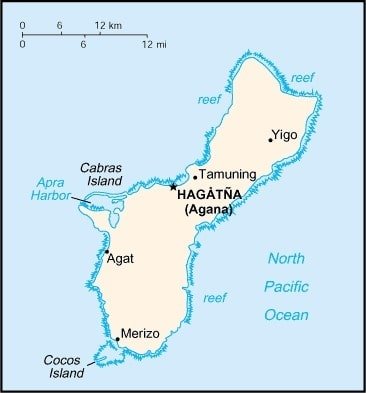
- Capital: Hagåtña
- Population: 169,532
- Currency: United States Dollar (USD)
- Time Zone: Chamorro Standard Time (ChST), UTC +10
- Official Languages: English and Chamorro
- Dialing Code: +1 671
- Driving Side: Right
Language and Communication
- Primary Language: English
- Commonly Spoken: Chamorro and Tagalog
- Helpful Phrases (Chamorro):
- Hello: Håfa Adai (pronounced "Half a Day")
- Thank You: Si Yu'os Ma'åse'
- Good Morning: Buenas Dias
- How are you?: Kao mamaolek hao?
Emergency Numbers
- Police/Fire/Ambulance: 911
Currency and Money
- Currency: United States Dollar (USD)
- ATMs: Widely available in urban areas and tourist hotspots.
- Credit Cards: Accepted in most hotels, restaurants, and shops.
- Currency Exchange: Available at banks and exchange counters.
Electricity and Plugs
- Voltage: 120 V
- Frequency: 60 Hz
- Plug Types: Type A and B (American-style plugs)
- Adapter Needed: Not required for travelers from the U.S., but others may need an adapter.
Safety and Health
Safety
- Guam is considered very safe for tourists.
- Petty theft can occur; secure valuables and avoid isolated areas at night.
Health
- Vaccinations: Routine vaccinations are sufficient; consider Hepatitis A if engaging in outdoor activities.
- Water Safety: Tap water is generally safe to drink.
- Healthcare: Modern healthcare facilities are available in urban areas.
Transportation
Public Transport
- Buses: Public buses are limited and primarily cater to locals.
- Taxis: Available but can be expensive; rideshare apps like Uber or Lyft are not widely available.
Driving
- Road Conditions: Generally good but may have occasional potholes.
- Car Rentals: Recommended for exploring the island; available at the airport and major towns.
Activities and Attractions
Beaches and Water Activities
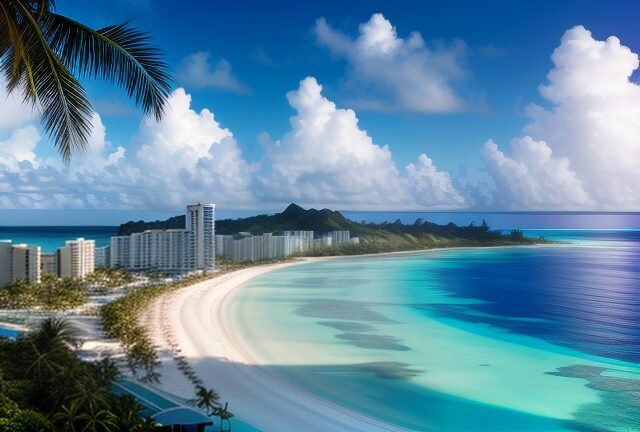
- Tumon Bay: The heart of Guam's tourism, offering crystal-clear waters, white sands, and luxury resorts.
- Ypao Beach Park: Perfect for swimming, snorkeling, and picnicking.
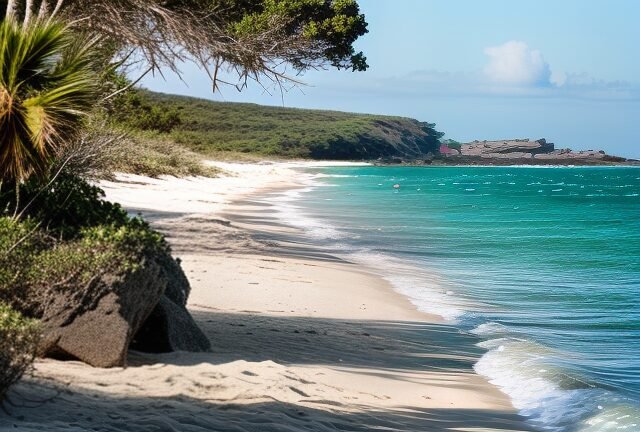
- Gun Beach: A secluded spot ideal for relaxation and snorkeling.
Cultural and Historical Sites
- Two Lovers Point (Puntan Dos Amantes): A breathtaking cliffside lookout with a romantic legend.
- Latte Stone Park: Features ancient Chamorro stone pillars used as building foundations.
- Fort Nuestra Señora de la Soledad: A Spanish-era fort offering historical insights and panoramic views.
Natural Wonders
- Ritidian Point: Pristine beaches and a wildlife refuge with hiking trails and ancient Chamorro caves.
- Tarzan Falls: A moderate hike leads to cascading waterfalls and refreshing pools.
- Pagat Caves and Pools: A blend of history and adventure with ancient rock art and natural pools.
Family-Friendly Attractions
- Fish Eye Marine Park: An underwater observatory showcasing Guam’s marine life.
- UnderWater World Guam: One of the longest tunnel aquariums in the world.
Festivals and Events
- Guam Micronesia Island Fair (May): Showcases the unique cultures of Micronesia with performances, crafts, and food.
- Liberation Day (July 21): Celebrates Guam’s liberation from Japanese occupation with parades and festivities.
- Chamorro Month (March): A celebration of Chamorro culture featuring traditional music, dance, and cuisine.
Food and Cuisine
Traditional Dishes
- Kelaguen: A Chamorro dish of marinated meat or seafood with lemon juice, onions, and peppers.
- Red Rice: Rice seasoned with achiote seeds, a staple in Chamorro cuisine.
- Barbecue: Chamorro-style barbecue is a must-try, often paired with a spicy sauce.
- Finadene: A tangy sauce made with soy sauce, vinegar, lemon, and chili, served with almost every meal.
Desserts
- Latiya: A creamy dessert made with cake and custard, sprinkled with cinnamon.
- Apigigi: A traditional Chamorro dessert of coconut and tapioca wrapped in banana leaves and grilled.
Shopping and Souvenirs
- Chamorro Handicrafts: Woven baskets, mats, and jewelry.
- Local Spices and Sauces: Finadene sauce and Chamorro barbecue marinades.
- Latte Stone Replicas: Miniature versions of the iconic Chamorro pillars.
- Duty-Free Shopping: Guam is a duty-free destination, making luxury goods more affordable.
Suggested Itineraries
3-Day Itinerary
- Day 1: Explore Tumon Bay, Two Lovers Point, and Ypao Beach Park.
- Day 2: Visit Latte Stone Park, Fort Soledad, and enjoy snorkeling at Gun Beach.
- Day 3: Hike to Tarzan Falls and relax at Ritidian Point.
7-Day Itinerary
- Day 1-2: Explore Tumon Bay, Two Lovers Point, and cultural sites like Latte Stone Park.
- Day 3: Visit Ritidian Point for a mix of beach and wildlife exploration.
- Day 4: Discover Guam’s World War II sites, including War in the Pacific National Historical Park.
- Day 5: Take a boat tour or snorkeling trip to Cocos Island.
- Day 6: Hike to Pagat Caves and enjoy local cuisine at a Chamorro Village Night Market.
- Day 7: Relax and shop for souvenirs in Tumon Bay.
Best Time to Visit
- Dry Season (December to June): Ideal for outdoor activities and beach outings.
- Rainy Season (July to November): Lush landscapes, but expect occasional tropical storms.
Connectivity
- Wi-Fi: Widely available in hotels, cafes, and restaurants.
- SIM Cards: Local providers like GTA and Docomo Pacific offer prepaid plans.
Conclusion
Guam is a tropical paradise offering a unique blend of natural beauty, rich history, and warm Chamorro hospitality. Whether you’re lounging on pristine beaches, exploring ancient cultural sites, or indulging in flavorful cuisine, Guam promises a memorable and diverse travel experience.