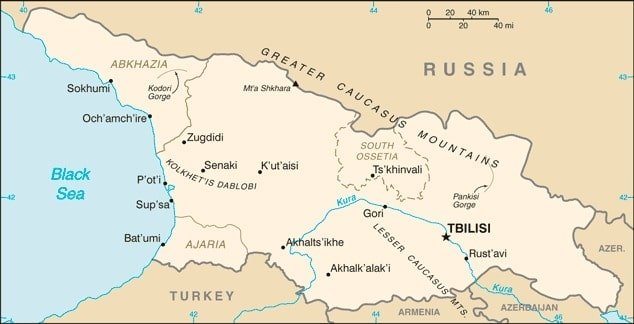
Comprehensive Travel Guide to Georgia
General Information
- Capital City: Tbilisi
- Population: 4,900,961
- Currency: Georgian Lari (GEL)
- Time Zone: Georgia Standard Time (GET), UTC +4
- Official Language: Georgian
- Dialing Code: +995
- Driving Side: Right
Georgia is known for its dramatic mountains, ancient monasteries, and as the cradle of wine. It’s an increasingly popular destination for tourists seeking cultural experiences, outdoor adventures, and incredible cuisine.
Language and Communication
- Primary Language: Georgian
- Commonly Spoken Languages: Russian and English (in urban and tourist areas).
- Helpful Phrases:
- Hello: Gamarjoba (გამარჯობა)
- Thank You: Madloba (მადლობა)
- How are you?: Rogor khar? (როგორ ხარ?)
- Yes/No: Ki/Ara (კი/არა)
- Cheers: Gaumarjos! (გაუმარჯოს!)
Emergency Numbers
- Police: 112
- Fire: 112
- Ambulance: 112
Currency and Money
- Currency: Georgian Lari (GEL)
- ATMs: Widely available in cities and towns.
- Credit Cards: Accepted in most urban establishments but carry cash for rural areas.
- Currency Exchange: Available at banks and currency exchange offices; USD and EUR are widely exchanged.
Electricity and Plugs
- Voltage: 220 V
- Frequency: 50 Hz
- Plug Types: Type C and F (European-style plugs).
- Adapter Needed: Yes, for travelers using other plug types.
Safety and Health
Safety
- Georgia is considered safe for tourists, but exercise caution in crowded areas to avoid pickpocketing.
- Mountainous areas can pose risks; follow guides and heed weather warnings.
Health
- Vaccinations: Routine vaccinations are recommended. No mandatory vaccinations.
- Healthcare: Modern facilities are available in Tbilisi and major cities. Travel insurance is advised.
- Water Safety: Tap water is generally safe, but bottled water is widely available.
Transportation
Public Transport
- Metro: Tbilisi has a reliable and affordable metro system.
- Buses/Marshrutkas: Shared minivans (marshrutkas) connect cities and rural areas.
- Taxis: Widely available; use apps like Bolt for fair pricing.
Driving
- Road Conditions: Good in cities but can be challenging in mountainous areas.
- Car Rentals: Available in Tbilisi and Batumi; a 4WD is recommended for rural travel.
Activities and Attractions
Urban Highlights
Tbilisi:
- Wander through the Old Town with its sulfur baths, narrow alleys, and colorful wooden balconies.
- Visit Narikala Fortress for panoramic views of the city.
- Explore the Bridge of Peace and Rike Park for modern architectural wonders.
- Enjoy vibrant nightlife in areas like Fabrika and Rustaveli Avenue.
Batumi:
- Relax on the Black Sea beaches and stroll along the Batumi Boulevard.
- Marvel at modern landmarks like the Alphabet Tower and Batumi Botanical Garden.
Historical and Cultural Sites
- Uplistsikhe: An ancient rock-hewn town near Gori.
- Mtskheta: A UNESCO World Heritage Site and the spiritual heart of Georgia. Visit Svetitskhoveli Cathedral and Jvari Monastery.
- Vardzia: A 12th-century cave monastery carved into the mountainside.
Natural Wonders
- Kazbegi (Stepantsminda): Visit the iconic Gergeti Trinity Church with Mount Kazbek in the background.
- Svaneti: A remote region with medieval towers, glaciers, and hiking trails.
- Borjomi: Known for its mineral water and lush national park.
- Tusheti: A breathtakingly beautiful but remote mountain region.
Food and Cuisine
Traditional Dishes
- Khinkali: Juicy dumplings filled with meat or cheese.
- Khachapuri: Cheese-filled bread, with the Adjarian version featuring a runny egg on top.
- Lobio: A hearty bean stew often served with cornbread.
- Badrijani Nigvzit: Eggplant rolls stuffed with walnut paste.
- Churchkhela: A traditional snack made of nuts dipped in grape syrup.
Drinks
- Wine: Georgia is one of the oldest wine-producing regions in the world. Try Saperavi and Rkatsiteli varieties.
- Chacha: A strong grape-based spirit.
Dining Tips
- Meals are a communal affair; don’t miss a traditional Georgian supra (feast).
- Tipping (10%) is appreciated in restaurants.
Shopping and Souvenirs
- Wine: Authentic Georgian wines from local vineyards.
- Handicrafts: Felted wool items, traditional carpets, and handmade jewelry.
- Spices: Unique blends like khmeli suneli.
- Churchkhela: Sweet and portable souvenir.
- Enamel Jewelry: Known as "minankari," traditional Georgian cloisonné enamel.
Festivals and Events
- Tbilisoba (October): Celebrates Tbilisi’s heritage with music, food, and performances.
- Rtveli (Autumn): The grape harvest festival, a must for wine enthusiasts.
- New Wine Festival (May): Showcases the year’s new wine vintages.
- Batumi Black Sea Jazz Festival (Summer): A renowned international jazz event.
Suggested Itineraries
3-Day Itinerary
- Day 1: Explore Tbilisi’s Old Town, Narikala Fortress, and sulfur baths.
- Day 2: Visit Mtskheta, Jvari Monastery, and Svetitskhoveli Cathedral.
- Day 3: Day trip to Kazbegi to see Gergeti Trinity Church and Mount Kazbek.
7-Day Itinerary
- Day 1-2: Explore Tbilisi, including Old Town, Rustaveli Avenue, and the Bridge of Peace.
- Day 3: Visit Mtskheta and Uplistsikhe.
- Day 4-5: Travel to Kazbegi and Svaneti for mountain adventures.
- Day 6: Relax in Borjomi and explore the Borjomi-Kharagauli National Park.
- Day 7: Enjoy Batumi’s beaches, botanical garden, and vibrant nightlife.
Best Time to Visit
- Spring (April-June) and Autumn (September-November): Ideal weather for sightseeing and wine tasting.
- Winter (December-March): Great for skiing in regions like Gudauri and Bakuriani.
- Summer (July-August): Perfect for hiking and beach holidays.
Connectivity
- Wi-Fi: Available in hotels, cafes, and public areas.
- SIM Cards: Purchase from providers like Magti, Beeline, or Silknet for mobile data.
Conclusion
Georgia is a land of mesmerizing landscapes, ancient traditions, and warm hospitality. Whether you're exploring its vibrant cities, trekking in its stunning mountains, or savoring its legendary cuisine and wine, Georgia promises an unforgettable experience.