Europe
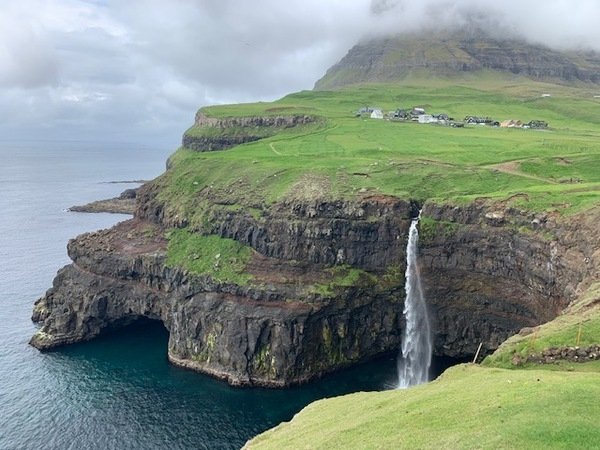
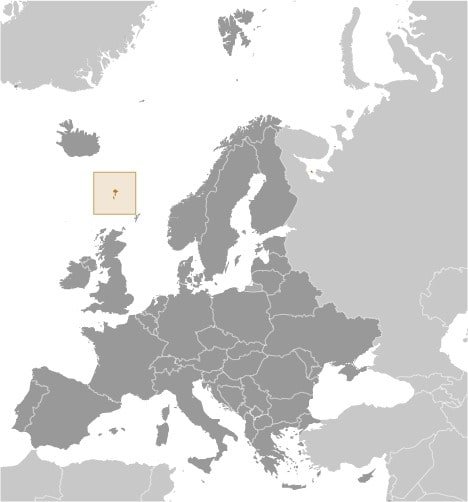
Faroe IslandsNestled between the North Atlantic and the Norwegian Sea, the Faroe Islands beckon with their breathtaking cliffs, vibrant green valleys, and charming villages that hold stories of ancient Norse traditions. A hidden paradise for the adventurous spirit, this remote archipelago offers unparalleled hiking trails, birdwatching opportunities, and the chance to witness the dance of the northern lights in winter or the midnight sun in summer. Each island tells a tale of resilience and beauty, from the dramatic landscapes of Vágar to the colorful houses of Torshavn, where modern cafes sit alongside centuries-old architecture. Embrace the tranquility of its untouched nature, savor the fresh seafood delicacies, and immerse yourself in the rich cultural tapestry that makes the Faroe Islands an idyllic escape for those seeking both adventure and serenity.



Comprehensive Travel Guide to Faroe Islands
General Information
- Official Name: Faroe Islands (Føroyar)
- Capital: Tórshavn
- Population: 52,933
- Currency: Faroese króna (DKK, Danish Krone)
- Time Zone: Western European Time (WET, UTC+0)
- Official Languages: Faroese and Danish
- Dialing Code: +298
- Driving Side: Right
The Faroe Islands, an autonomous territory of Denmark, are an enchanting archipelago in the North Atlantic Ocean. Known for their dramatic cliffs, verdant valleys, and picturesque villages, the Faroe Islands are a dream destination for nature lovers, hikers, and photographers.
Language and Communication
- Primary Languages:
- Faroese (spoken by the majority).
- Danish (commonly used and understood).
- English: Widely spoken, especially in tourist areas.
- Useful Phrases:
- Hello: Halló
- Thank you: Takk fyri
- Where is the nearest hiking trail?: "Hvar er nærmasta gonguleið?"
Emergency Numbers
- Emergency Services (Police, Fire, Ambulance): 112
Currency and Money
- Currency Used: Faroese króna (equal in value to the Danish krone).
- ATMs: Widely available in towns and villages.
- Credit Cards: Commonly accepted, even in remote areas.
Electricity and Plugs
- Voltage: 230 V
- Frequency: 50 Hz
- Plug Types: Type C and Type E (two round pins).
Safety and Health
Safety
- Crime: Exceptionally low; the Faroe Islands are one of the safest destinations in the world.
- Travel Tips:
- Always check weather conditions before heading out on hikes.
- Be cautious near cliffs and in rugged terrains.
Health
- Healthcare: High-quality healthcare available in Tórshavn. Emergency services are reliable but limited in remote areas.
- Vaccinations: Standard travel vaccinations are sufficient.
Transportation
- Air Travel:
- Vágar Airport (FAE) is the main international gateway, with connections to Denmark, Iceland, and other European destinations.
- Local Transport:
- Buses and Ferries: Efficient public transport links towns and islands.
- Car Rentals: Recommended for exploring remote areas.
- Tunnels and Bridges: Many islands are connected by modern infrastructure.
Activities and Attractions
Natural Wonders
- Múlafossur Waterfall: A spectacular waterfall plunging into the ocean.
- Slættaratindur: The highest peak in the Faroes, ideal for hiking.
- Vestmanna Bird Cliffs: A haven for puffins and other seabirds.
Cultural and Historical Sites
- Tórshavn: The vibrant capital with traditional turf-roofed houses in Tinganes and local museums.
- Kirkjubøur: A historic village with the 12th-century Magnus Cathedral.
- Saksun: A picturesque village surrounded by mountains and a tidal lagoon.
Outdoor Adventures
- Hiking: Endless trails with breathtaking views.
- Birdwatching: Spot puffins, fulmars, and gannets.
- Boat Tours: Explore sea caves, cliffs, and coastal landscapes.
Suggested Itineraries
3-Day Highlights Tour
- Day 1: Arrive in Tórshavn; visit Tinganes and explore the National Museum.
- Day 2: Day trip to Vestmanna Bird Cliffs and Múlafossur Waterfall.
- Day 3: Explore the village of Saksun and hike to Tjørnuvík.
7-Day Comprehensive Exploration
- Day 1: Arrive in Vágar; explore Múlafossur Waterfall and the village of Gásadalur.
- Day 2: Visit Tórshavn and the Nordic House cultural center.
- Day 3: Day trip to Kirkjubøur for historical sites.
- Day 4: Discover the northern islands, including Klaksvík and Viðoy.
- Day 5: Hike Slættaratindur and visit Eysturoy Island.
- Day 6: Explore the remote island of Mykines, known for its puffin colonies.
- Day 7: Return to Vágar; relax and enjoy local seafood.
Best Time to Visit
- Summer (May to September): Long daylight hours, mild weather, and vibrant landscapes.
- Winter (October to April): Cooler temperatures and fewer tourists, but limited accessibility to some sites.
Food and Cuisine
Local Specialties
- Seafood: Freshly caught fish, langoustines, and whale meat (a traditional dish).
- Skerpikjøt: Air-dried mutton, a Faroese delicacy.
- Ræstur Fiskur: Fermented fish with potatoes.
- Rugbrød: Dense rye bread often served with meals.
Dining Tips
- Local restaurants and cafes offer a mix of traditional and modern dishes.
- Farm-to-table experiences are popular.
Shopping and Souvenirs
- Popular Souvenirs:
- Faroese wool products, including sweaters and scarves.
- Handcrafted ceramics and jewelry.
- Local music and literature.
Connectivity
- Wi-Fi: Readily available in accommodations and cafes.
- SIM Cards: Faroese SIM cards can be purchased for reliable coverage.
Conclusion
The Faroe Islands are a hidden gem in the North Atlantic, offering unparalleled natural beauty, rich cultural heritage, and warm hospitality. Whether you’re trekking through verdant valleys, marveling at dramatic sea cliffs, or exploring charming villages, the Faroe Islands promise an unforgettable experience for every traveler.