Europe
EstoniaNestled in the heart of Europe, Estonia beckons with its enchanting blend of medieval charm and modern vibrancy, inviting you to wander through cobbled streets steeped in history, explore picturesque coastal landscapes, and immerse yourself in a culture that celebrates both tradition and innovation. With its enchanting capital Tallinn, a UNESCO World Heritage site, showcasing a fairy-tale skyline and a thriving arts scene, Estonia offers a delightful array of experiences for every traveler. Venture into the serene wilderness of its pristine national parks, sample mouthwatering cuisine that fuses local flavors with contemporary flair, and connect with a welcoming community that embraces the spirit of adventure. Estonia is not just a destination; it’s a captivating journey waiting to unfold, crafted uniquely for you.

Comprehensive Travel Guide to Estonia
General Information
- Capital City: Tallinn
- Population: 1,193,791
- Currency: Euro (€)
- Time Zone: Eastern European Time (EET), UTC+2 (Summer: UTC+3)
- Official Language: Estonian
- Dialing Code: +372
- Driving Side: Right
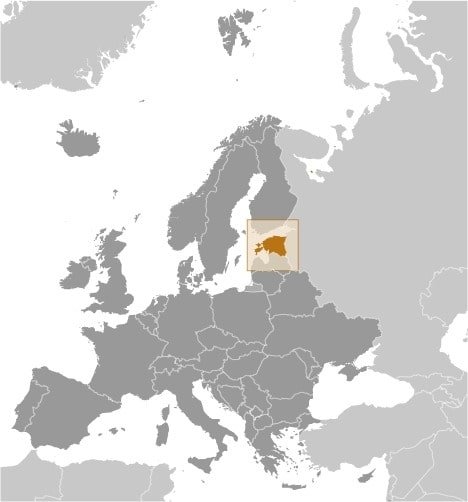
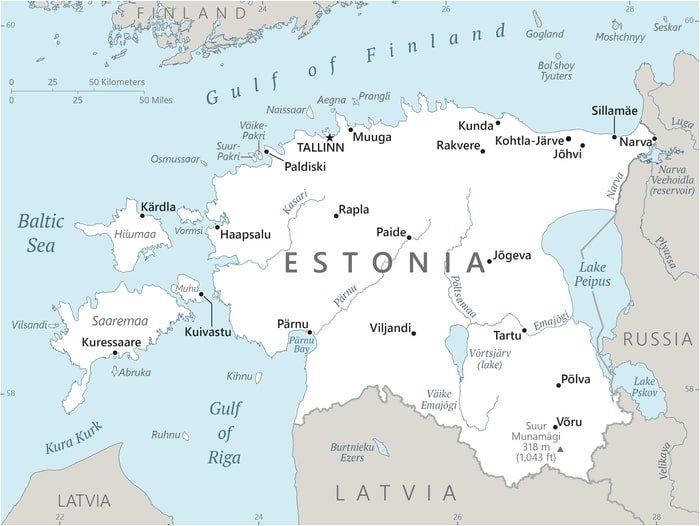
Estonia, located in Northern Europe, is a Baltic gem known for its medieval towns, unspoiled nature, and cutting-edge digital innovation. Despite its small size, Estonia offers a rich cultural heritage and diverse landscapes.
Language and Communication
- Primary Language: Estonian.
- Widely Spoken Languages: English, Russian, and Finnish are common in tourist areas.
- Local Greetings:
- Hello: Tere
- Thank you: Aitäh
Emergency Numbers
- General Emergency: 112
Currency and Money
- Currency Exchange: Widely available at banks and exchange offices.
- ATMs: Common in cities and towns.
- Credit Cards: Accepted nearly everywhere, including taxis and small shops.
Electricity and Plugs
- Voltage: 230 V
- Frequency: 50 Hz
- Plug Types: Type C and F (European standard).
- Adapter Needed: Yes, for non-European devices.
Safety and Health
Safety
- Crime: Estonia is considered very safe with low crime rates. Be cautious of petty theft in tourist areas.
- Travel Advisory: Follow local guidelines and stay informed about any updates.
Health
- Vaccinations: Routine vaccinations are recommended.
- Water Safety: Tap water is safe to drink.
Transportation
Public Transport
- Buses and Trams: Efficient and well-connected in cities like Tallinn.
- Trains: Modern trains connect major cities and towns.
- Ferries: Regular services to nearby islands and neighboring countries.
Driving
- Road Conditions: Excellent.
- Car Rentals: Available at airports and major cities.
- Traffic Rules: Strict enforcement of seatbelt use and speed limits.
Activities and Attractions
Urban Highlights
- Tallinn:
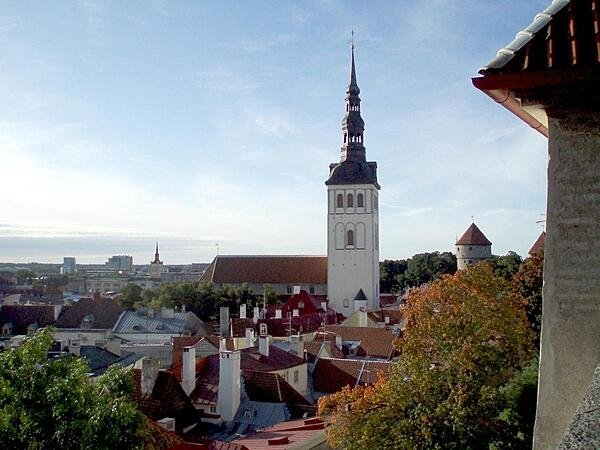
- Explore the Old Town, a UNESCO World Heritage Site, with its medieval walls, cobblestone streets, and charming squares.
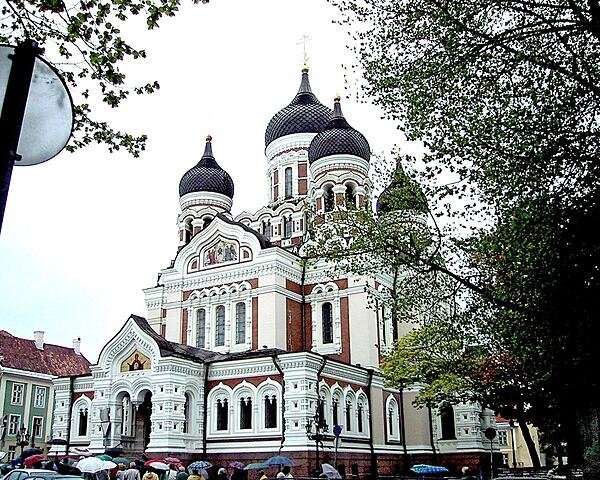
- Visit Alexander Nevsky Cathedral, a stunning Orthodox church.
- Walk along the Tallinn City Walls for panoramic views.
Nature and Adventure
- Lahemaa National Park: Home to forests, wetlands, and historic manor houses.
- Saaremaa Island: Famous for its windmills, spas, and the Kaali Meteorite Crater.
- Pärnu: A seaside resort town known for its sandy beaches and vibrant summer festivals.
Historical Sites
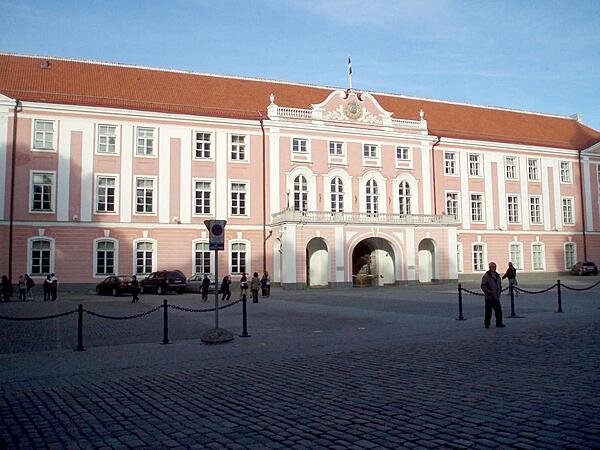
- Toompea Castle: Seat of the Estonian Parliament with roots in the 9th century.
- Narva Castle: A fortress on the Estonian-Russian border.
- Kumu Art Museum: A modern museum showcasing Estonian art and history.
Food and Cuisine
Traditional Dishes
- Verivorst: Blood sausage often served with sauerkraut.
- Kama: A traditional Estonian dessert made of mixed grains.
- Marineeritud Angerjas: Marinated eel, a coastal specialty.
Dining Tips
- Service charges are usually included, but tipping 10% is appreciated.
- Try local breweries for unique craft beers.
Shopping and Souvenirs
- Local Crafts: Hand-knitted woolen products, ceramics, and glassware.
- Amber Jewelry: Widely available and beautifully crafted.
- Food: Black rye bread and locally made honey are popular items.
Festivals and Events
- Tallinn Music Week (March-April): A celebration of diverse music genres.
- Medieval Days in Tallinn (July): Experience medieval life with fairs, markets, and reenactments.
- Saaremaa Opera Days (July): Held on the idyllic Saaremaa Island, showcasing world-class opera performances.
Suggested Itineraries
3-Day Itinerary
- Day 1: Explore Tallinn’s Old Town, Toompea Castle, and Kumu Art Museum.
- Day 2: Visit Lahemaa National Park for nature trails and historic manors.
- Day 3: Take a ferry to Saaremaa Island and explore its cultural and natural attractions.
7-Day Itinerary
- Day 1-2: Immerse yourself in Tallinn’s rich history and vibrant culture.
- Day 3-4: Explore the islands of Saaremaa and Hiiumaa.
- Day 5: Visit Pärnu for beaches and spas.
- Day 6: Discover Tartu, Estonia’s university town, and its science center, AHHAA.
- Day 7: Relax in Lahemaa National Park before returning to Tallinn.
Best Time to Visit
- Summer (June-August): Warm weather, long daylight hours, and festivals.
- Winter (December-February): Snow-covered landscapes and Christmas markets.
- Autumn (September-October): Stunning fall colors in forests and parks.
Connectivity
- Wi-Fi: Fast and free in most public places.
- SIM Cards: Available from providers like Telia and Elisa.
Conclusion
Estonia is a blend of old and new, offering medieval charm alongside a thriving digital society. Its pristine nature, vibrant cities, and rich cultural heritage make it a captivating destination for travelers seeking both relaxation and adventure.