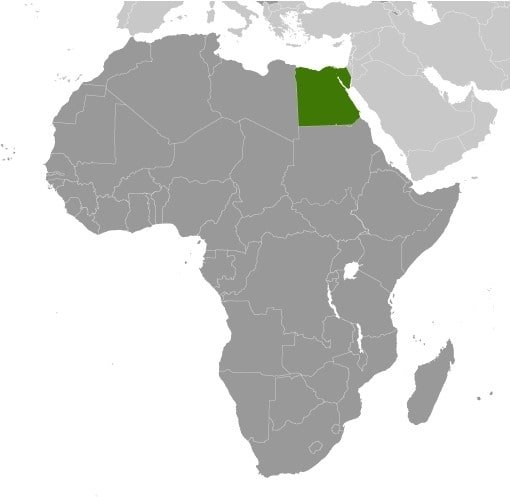
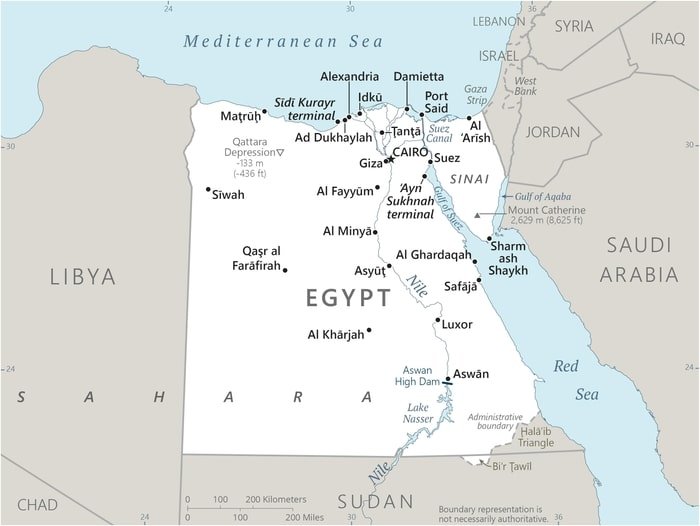
Comprehensive Travel Guide to Egypt
General Information
- Capital City: Cairo
- Population: 111,247,248
- Currency: Egyptian Pound (EGP)
- Time Zone: Eastern European Time (EET), UTC+2
- Official Language: Arabic
- Dialing Code: +20
- Driving Side: Right
Egypt, the land of the pharaohs, is a country steeped in history, culture, and stunning natural beauty. From the iconic pyramids to the vibrant markets of Cairo and the serene beaches along the Red Sea, Egypt offers a unique blend of ancient wonders and modern charm.
Language and Communication
- Primary Language: Arabic
- English Proficiency: Widely spoken in tourist areas.
- Helpful Phrases:
- Hello: Salam Alaikum
- Thank you: Shukran
- Please: Min Fadlak (m) / Min Fadlik (f)
- How much is this?: Kam Thamanoh?
Emergency Numbers
- Mobile phones: 112
- Tourist Police: 126
- Ambulance: 123
- Fire: 180
Currency and Money
- Credit Cards: Accepted in hotels, upscale restaurants, and shops.
- ATMs: Widely available in urban areas and tourist hubs.
- Currency Exchange: Banks, hotels, and currency exchange offices.
- Tipping: Common practice; 10–15% in restaurants.
Electricity and Plugs
- Voltage: 220 V
- Frequency: 50 Hz
- Plug Types: Type C and F
- Adapter Needed: Yes, if your country uses a different plug type.
Safety and Health
Safety
- Crime Rate: Generally low; beware of pickpocketing in crowded areas.
- Political Stability: Stay updated on government advisories.
- Women Travelers: Dress modestly to respect cultural norms.
- Scams: Be cautious of overcharging and unsolicited offers in tourist areas.
Health
- Vaccinations: Routine vaccinations; Hepatitis A and Typhoid are recommended.
- Healthcare: Quality varies; private hospitals are better equipped.
- Water: Drink bottled water; avoid tap water.
Transportation
Public Transport
- Metro: Efficient and affordable in Cairo.
- Buses and Minibuses: Economical but can be overcrowded.
- Taxis: Widely available; agree on the fare before the ride or use metered taxis.
- Ride-Sharing Apps: Uber and Careem operate in major cities.
Domestic Travel
- Trains: A comfortable way to travel between cities like Cairo and Luxor.
- Buses: Long-distance buses connect major cities.
- Flights: Domestic flights available for longer distances.
- Nile Cruises: A scenic way to explore the Nile River, especially between Luxor and Aswan.
Activities and Attractions
Historical Wonders
- The Pyramids of Giza: Visit the Great Pyramid, the Sphinx, and explore the surrounding plateau.
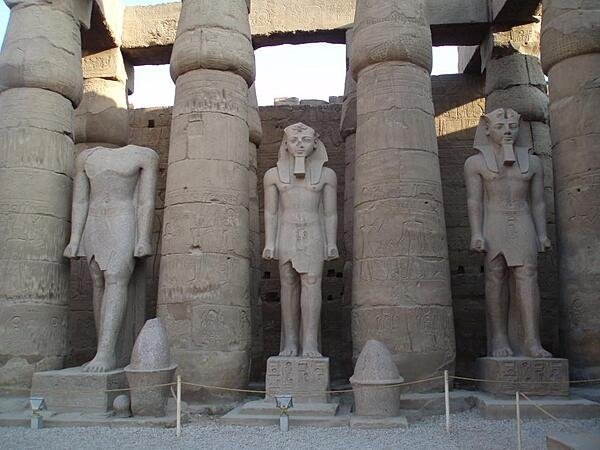
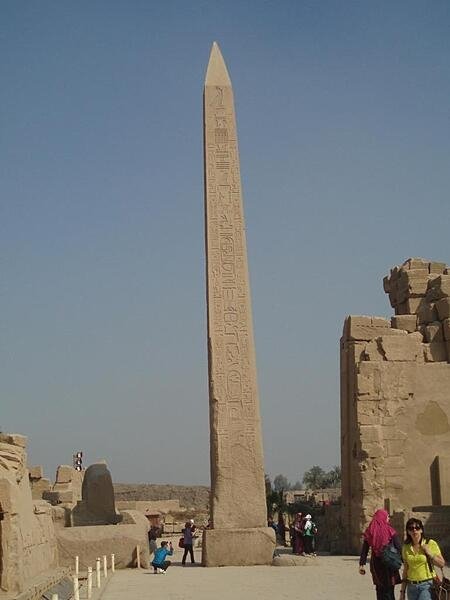
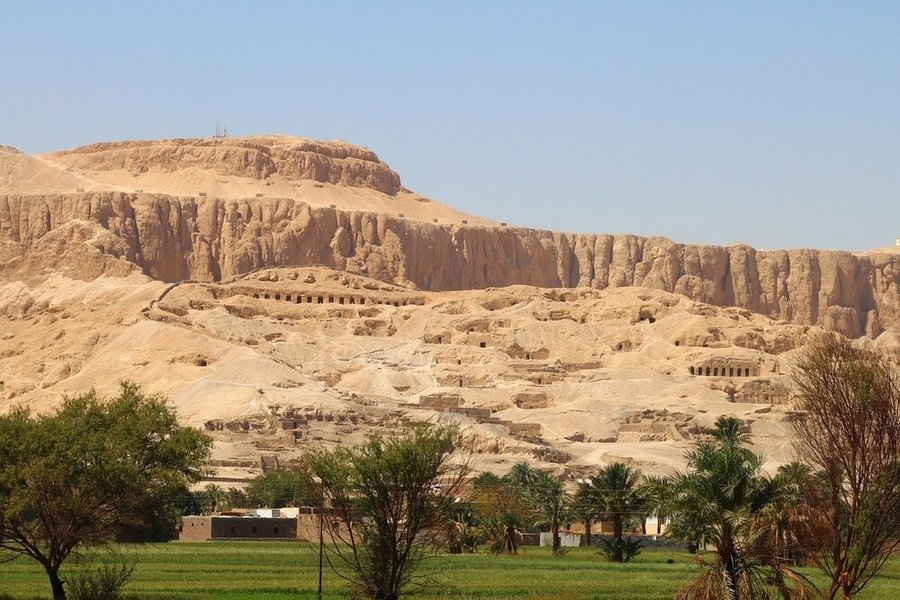
- Luxor: Explore the Karnak Temple, Valley of the Kings, and Luxor Temple.
- Aswan: Discover the Philae Temple, Unfinished Obelisk, and Nubian villages.
- Abu Simbel: Marvel at the rock temples built by Ramses II.
Natural Beauty
- Red Sea Riviera: Enjoy diving and snorkeling in Hurghada, Sharm El Sheikh, and Dahab.
- White Desert: Witness surreal chalk formations and desert landscapes.
- Siwa Oasis: Relax in this remote and picturesque oasis.
Cultural Highlights
- Cairo: Explore the Egyptian Museum, Islamic Cairo, and Khan el-Khalili Bazaar.
- Alexandria: Visit the Library of Alexandria, Citadel of Qaitbay, and Roman Catacombs.
- Nubian Culture: Learn about the heritage of Nubian communities in Aswan.
Food and Cuisine
Traditional Dishes
- Koshari: A hearty mix of rice, lentils, pasta, and tomato sauce.
- Ful Medames: Slow-cooked fava beans with spices.
- Molokhia: A green soup made with jute leaves and garlic.
- Shawarma: A popular street food of roasted meat wrapped in flatbread.
- Baklava: A sweet pastry layered with nuts and syrup.
Dining Tips
- Street food is delicious but ensure it’s from a hygienic vendor.
- Tipping is appreciated, especially in smaller eateries.
Shopping and Souvenirs
- Souks and Bazaars:
- Khan el-Khalili (Cairo): Find traditional crafts, jewelry, and spices.
- Aswan Souk: Famous for Nubian artifacts and textiles.
- Popular Souvenirs:
- Papyrus scrolls
- Alabaster figurines
- Spices and teas
- Perfume oils
Festivals and Events
- Ramadan: A significant religious period with special evening markets and events.
- Eid al-Fitr and Eid al-Adha: Celebrated with feasts and family gatherings.
- Pharaoh’s Gold Boat Festival: A cultural event in Luxor.
- Cairo International Film Festival (November): Highlights global cinema.
Suggested Itineraries
3-Day Itinerary
- Day 1: Cairo – Visit the Pyramids of Giza, Sphinx, and the Egyptian Museum.
- Day 2: Explore Islamic Cairo and Khan el-Khalili Bazaar.
- Day 3: Day trip to Alexandria to see the Library of Alexandria and Citadel of Qaitbay.
7-Day Itinerary
- Day 1–2: Cairo highlights and day trip to Memphis and Saqqara.
- Day 3–4: Luxor – Visit Karnak Temple, Valley of the Kings, and Luxor Temple.
- Day 5–6: Aswan – Explore Philae Temple, Nubian villages, and take a Nile cruise.
- Day 7: Abu Simbel and return.
Best Time to Visit
- Winter (October–April): Ideal for sightseeing; pleasant temperatures.
- Summer (May–September): Hot but great for Red Sea activities.
Connectivity
- Wi-Fi: Widely available in hotels and cafes.
- SIM Cards: Purchase prepaid SIMs from Vodafone, Orange, or Etisalat.
- Apps to Download:
- Google Maps
- Careem or Uber
- Duolingo (for basic Arabic)
Conclusion
Egypt is a treasure trove of history, culture, and natural beauty. Whether you’re sailing the Nile, exploring ancient temples, or relaxing on the Red Sea’s pristine beaches, this land of wonder promises a journey like no other. Friendly locals, rich cuisine, and world-renowned landmarks make Egypt an unforgettable destination for every traveler.