Central America and the Caribbean
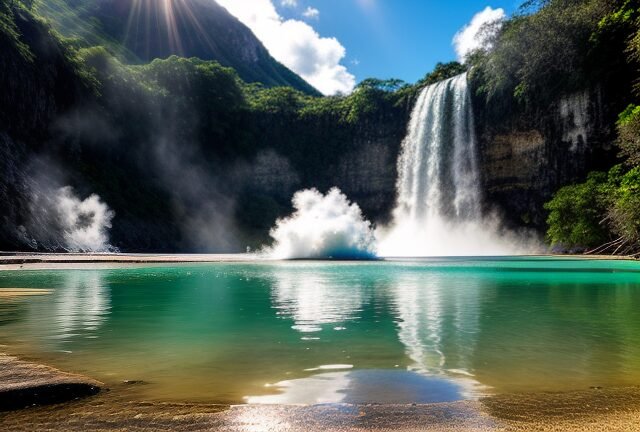
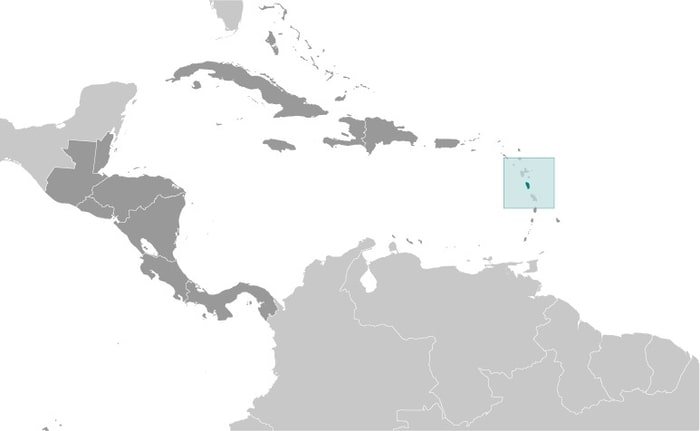
DominicaNestled between the Caribbean Sea and the Atlantic Ocean, Dominica is a lush paradise waiting to be explored, boasting an abundance of natural wonders that captivate the senses. Known as the Nature Island, this gem offers waterfalls cascading through verdant rainforests, volcanic hot springs, and breathtaking hiking trails, including the famous Waitukubuli National Trail. With its vibrant culture and friendly locals, Dominica invites you to immerse yourself in the rhythms of island life, savoring local delicacies crafted from fresh ingredients and engaging in thrilling adventures like whale watching and diving in pristine reefs. Perfect for the adventurous spirit seeking tranquility off the beaten path, Dominica promises a unique experience that will leave an indelible mark on your soul.


Comprehensive Travel Guide to Dominica
General Information
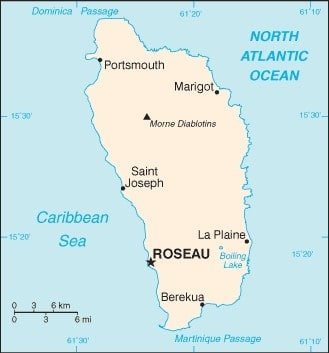
- Capital City: Roseau
- Population: 74,661
- Currency: Eastern Caribbean Dollar (XCD)
- Time Zone: Atlantic Standard Time (AST), UTC -4
- Official Language: English
- Dialing Code: +767
- Driving Side: Left
Dominica, also known as "The Nature Island of the Caribbean," is a paradise of lush rainforests, towering mountains, pristine beaches, and vibrant culture. With its volcanic origins, the island offers some of the most spectacular natural attractions in the region, making it a haven for eco-tourists and adventure seekers.
Language and Communication
- Primary Language: English
- Commonly Spoken: Dominican Creole (based on French and African languages).
Helpful Phrases:
- Hello: Hello
- Thank You: Thank you
- Good Morning: Bonjou (Creole)
- How are you?: Ki jan ou yé? (Creole)
Emergency Numbers
- Police: 999
- Fire: 911
- Ambulance: 999
Currency and Money
- Currency: Eastern Caribbean Dollar (XCD)
- ATMs: Available in major towns, but carry cash for remote areas.
- Credit Cards: Widely accepted in hotels and larger establishments.
- Currency Exchange: Available at banks and exchange offices.
Electricity and Plugs
- Voltage: 230 V
- Frequency: 50 Hz
- Plug Types: Type D and G (British-style plugs).
- Adapter Needed: Yes, for travelers from countries using different plug types.
Safety and Health
Safety
- General Safety: Dominica is considered safe for tourists, but precautions should be taken against petty theft.
- Travel Advisory: Avoid walking alone in isolated areas at night.
Health
- Vaccinations: Routine vaccinations, plus Hepatitis A and Typhoid are recommended.
- Water Safety: Tap water is generally safe to drink, but bottled water is recommended in some areas.
- Healthcare: Health facilities are basic; ensure you have travel insurance.
Transportation
Public Transport
- Buses: Shared minibuses are the most common form of transport, especially between towns.
- Taxis: Widely available, but fares should be agreed upon beforehand.
Driving
- Road Conditions: Generally good but can be narrow and winding.
- Car Rentals: Available in Roseau and other major towns.
Activities and Attractions
Urban Highlights
- Roseau:
- Explore the Old Market Plaza for souvenirs and local crafts.
- Visit the Dominica Museum to learn about the island’s history and culture.
Natural Wonders
- Boiling Lake:
- The world’s second-largest boiling lake, accessible via a challenging hike.
- A must-see for adventure enthusiasts.
- Morne Trois Pitons National Park:
- A UNESCO World Heritage Site featuring waterfalls, hot springs, and lush forests.
- Highlights include Trafalgar Falls and Emerald Pool.
- Champagne Reef:
- A unique diving and snorkeling site where bubbles from underwater volcanic activity rise like champagne.
- Titou Gorge:
- Swim through narrow rock formations to a waterfall.
- Known for its appearance in the movie Pirates of the Caribbean.
- Indian River:
- Take a guided boat tour through mangroves and spot wildlife.
- Calibishie Coast:
- Explore picturesque fishing villages and pristine beaches.
Food and Cuisine
Traditional Dishes
- Mountain Chicken: Despite its name, this dish features frog legs, a local delicacy.
- Callaloo Soup: A hearty soup made with dasheen leaves and various meats or seafood.
- Accras: Deep-fried fritters made with salted cod.
- Sancoche: A rich one-pot dish with meat, fish, and vegetables.
Dining Tips
- Try fresh tropical fruits and street food for an authentic taste of Dominica.
- Tipping is appreciated but not mandatory (5-10%).
Shopping and Souvenirs
- Handmade Baskets: Crafted by the Kalinago people.
- Local Spices: Nutmeg, cinnamon, and bay leaf.
- Rum: Dominica produces fine locally distilled rum.
- Handcrafted Jewelry: Unique pieces made from natural materials.
Festivals and Events
- World Creole Music Festival (October): Celebrates Creole music and culture with international and local artists.
- Carnival (February/March): Known as "The Real Mas," featuring vibrant parades and costumes.
- Kalinago Week: Celebrates the culture of the island’s indigenous people.
Suggested Itineraries
3-Day Itinerary
- Day 1: Explore Roseau, including Old Market Plaza and the Dominica Botanic Gardens.
- Day 2: Hike to Boiling Lake in Morne Trois Pitons National Park.
- Day 3: Snorkel at Champagne Reef and relax at Trafalgar Falls.
7-Day Itinerary
- Day 1-2: Explore Roseau and nearby attractions like the Dominica Museum and Indian River.
- Day 3: Take a day trip to the Kalinago Territory to learn about the island’s indigenous heritage.
- Day 4: Visit Morne Trois Pitons National Park, including Emerald Pool and Boiling Lake.
- Day 5: Enjoy water activities at Champagne Reef and Titou Gorge.
- Day 6: Relax on the Calibishie Coast and discover its scenic beaches.
- Day 7: Spend your final day shopping for souvenirs and tasting local cuisine in Roseau.
Best Time to Visit
- Dry Season (November-April): Ideal for outdoor activities and exploration.
- Wet Season (June-October): Expect heavy rains; however, lush landscapes are at their peak.
Connectivity
- Wi-Fi: Available in hotels and urban cafes.
- SIM Cards: Purchase from providers like Digicel or Flow for mobile data.
Conclusion
Dominica is a treasure trove of natural beauty, cultural richness, and eco-tourism opportunities. From the bubbling waters of Boiling Lake to the tranquil beaches of Calibishie, the island offers a diverse range of experiences for all types of travelers. Its warm hospitality, vibrant festivals, and unique cuisine make Dominica a destination you’ll want to return to time and time again.