Comprehensive Travel Guide to Djibouti
General Information
- Capital City: Djibouti City
- Population: 994,974
- Currency: Djiboutian Franc (DJF)
- Time Zone: East Africa Time (EAT), UTC+3
- Official Languages: French, Arabic
- Dialing Code: +253
- Driving Side: Right
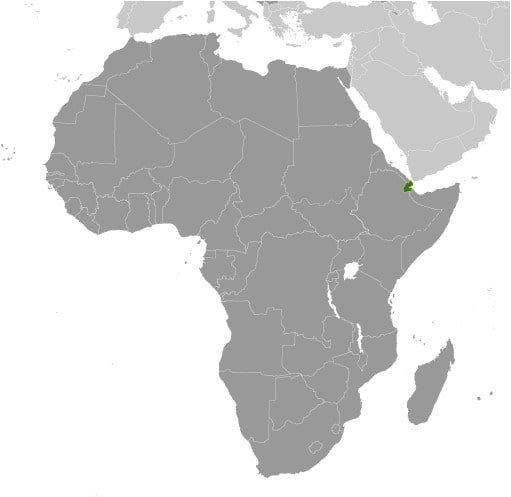
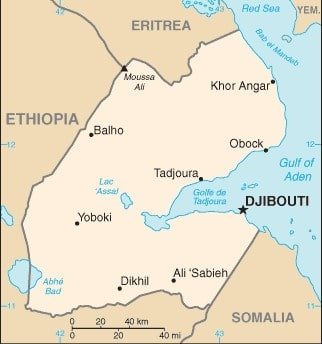
Djibouti, a small yet strategically located country in the Horn of Africa, is renowned for its stunning landscapes, including salt lakes, volcanic fields, and arid deserts. It serves as a gateway for travelers exploring East Africa and the Red Sea.
Language and Communication
- Primary Languages: French and Arabic
- Commonly Spoken: Somali and Afar languages are widely used.
- English Proficiency: Limited, mostly in urban areas and among younger populations.
Helpful Phrases:
- Bonjour (Hello in French)
- Merci (Thank you in French)
- As-salamu alaykum (Hello in Arabic)
- Shukran (Thank you in Arabic)
Emergency Numbers
- Police: 17
- Ambulance: 19
- Fire: 18
Currency and Money
- Currency: Djiboutian Franc (DJF)
- ATMs: Limited availability; bring cash for remote areas.
- Credit Cards: Accepted in major hotels and establishments in Djibouti City.
- Currency Exchange: Available at banks and exchange offices.
Electricity and Plugs
- Voltage: 220 V
- Frequency: 50 Hz
- Plug Types: Type C and Type E (European-style plugs)
- Adapter Needed: Yes, for travelers from countries using different plug types.
Safety and Health
Safety
- General Safety: Djibouti is relatively safe, but petty crimes such as pickpocketing can occur.
- Travel Advisory: Avoid venturing into border areas near Eritrea and Somalia.
Health
- Vaccinations: Recommended vaccines include Hepatitis A, Typhoid, and Yellow Fever (if traveling from an endemic country).
- Water Safety: Avoid drinking tap water; bottled water is recommended.
- Healthcare: Limited facilities; travel insurance with evacuation coverage is advised.
Transportation
Public Transport
- Buses: Minibuses operate in urban areas but can be crowded and unreliable.
- Taxis: Widely available in Djibouti City; negotiate fares before starting the trip.
- Trains: A railway connects Djibouti to Ethiopia, offering scenic views.
Driving
- Road Conditions: Roads in urban areas are decent; rural areas may be challenging.
- Car Rentals: Available in Djibouti City; a 4WD is recommended for remote areas.
Activities and Attractions
Urban Highlights
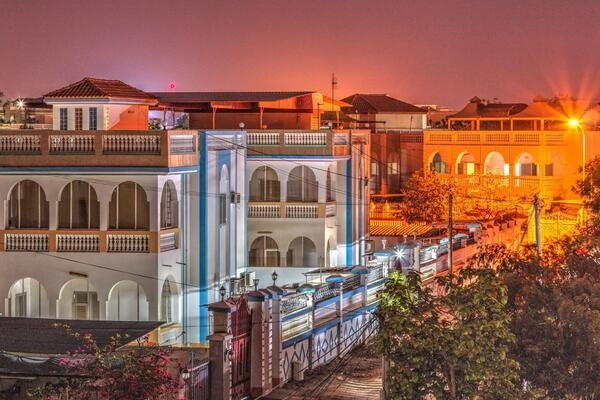
- Djibouti City:
- Explore the central market and taste local cuisine.
- Visit the European Quarter for colonial-era architecture.
- Check out the Place Menelik for nightlife and cultural hubs.
Natural Wonders
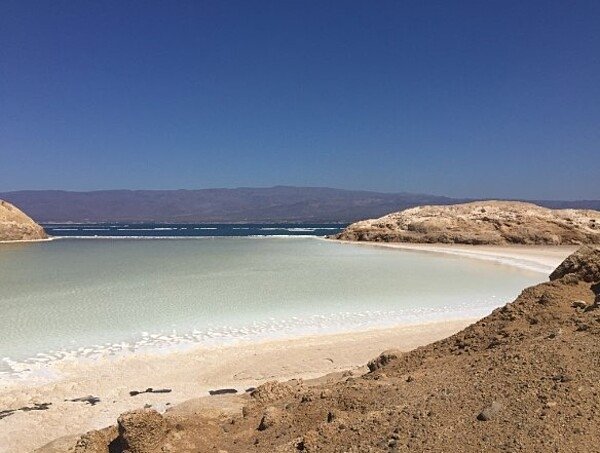
- Lac Assal:
- A salt lake located below sea level; one of the saltiest bodies of water in the world.
- Stunning views and an otherworldly landscape.
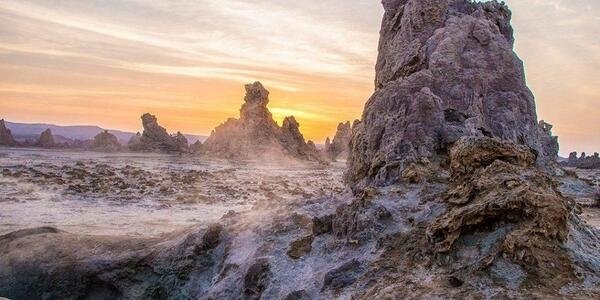
- Lac Abbe:
- A surreal landscape with limestone chimneys and steaming vents.
- Featured in the movie Planet of the Apes.
- Day Forest National Park:
- A lush forested area offering hiking and birdwatching opportunities.
- A unique contrast to Djibouti's arid regions.
- Moucha Island and Maskali Island:
- Perfect for snorkeling, diving, and enjoying pristine beaches.
Food and Cuisine
Traditional Dishes
- Fah-fah: A hearty goat stew with aromatic spices.
- Skoudehkaris: Djibouti’s version of rice pilaf, often cooked with meat and vegetables.
- Sambuusas: Fried pastry filled with spiced meat or lentils, similar to samosas.
- Laxoox: A spongy flatbread, often served with honey or stew.
Dining Tips
- Restaurants are concentrated in Djibouti City.
- Tipping is appreciated but not obligatory (5-10%).
- Street food is safe to try in popular spots.
Shopping and Souvenirs
- Salt Crystals: From Lac Assal, a unique and symbolic gift.
- Handmade Textiles: Traditional fabrics and garments.
- Local Spices: A taste of Djibouti’s aromatic cuisine.
- Wooden Crafts: Intricately carved items from local markets.
Festivals and Events
- Independence Day (June 27): Celebrations with parades and cultural performances.
- Ramadan and Eid: Significant Islamic observances with communal feasting and prayers.
Suggested Itineraries
3-Day Itinerary
- Day 1: Explore Djibouti City, including the central market and Place Menelik.
- Day 2: Day trip to Lac Assal; enjoy the scenic drive and salt flats.
- Day 3: Visit Moucha Island for a relaxing beach day or snorkeling.
7-Day Itinerary
- Day 1-2: Explore Djibouti City, including local markets and dining.
- Day 3: Visit Lac Assal and enjoy its unique landscapes.
- Day 4: Head to Lac Abbe for an overnight stay to catch the sunrise over its limestone chimneys.
- Day 5: Trek through Day Forest National Park and discover its biodiversity.
- Day 6: Spend a relaxing day at Maskali Island for water activities.
- Day 7: Return to Djibouti City for shopping and leisure.
Best Time to Visit
- Winter (November-February): Mild temperatures make this the most pleasant time for outdoor activities.
- Summer (June-August): Extremely hot; not ideal for travel.
Connectivity
- Wi-Fi: Available in hotels and urban cafes.
- SIM Cards: Purchase from providers like Djibouti Telecom for mobile data.
Conclusion
Djibouti offers an extraordinary mix of natural wonders, cultural richness, and strategic importance. Whether marveling at the surreal landscapes of Lac Assal and Lac Abbe, diving into the clear waters of the Red Sea, or exploring vibrant Djibouti City, this hidden gem is a destination that leaves travelers in awe. Perfect for adventurers and cultural enthusiasts alike, Djibouti promises unforgettable experiences.