South America
BoliviaNestled in the heart of South America, Bolivia invites intrepid travelers to uncover its mesmerizing blend of rich indigenous heritage and breathtaking natural landscapes, from the shimmering waters of Lake Titicaca, the highest navigable lake in the world, to the surreal salt flats of Salar de Uyuni that stretch endlessly into the horizon, creating an otherworldly experience like no other. Explore vibrant markets filled with artisanal crafts, immerse yourself in the colorful traditions of the Aymara and Quechua peoples, and ascend to the heights of the Andes for unparalleled views that will leave you in awe. With its diverse ecosystems, lively culture, and welcoming spirit, Bolivia is a hidden gem waiting to be discovered, offering a unique adventure that resonates long after you've returned home.



Comprehensive Travel Guide to Bolivia
General Information
- Capital City: Sucre (constitutional capital), La Paz (seat of government)
- Population: 12,311,974
- Currency: Boliviano (BOB)
- Time Zone: Bolivia Time (BOT), UTC-4
- Official Languages: Spanish, Quechua, Aymara, and others
- Dialing Code: +591
- Driving Side: Right
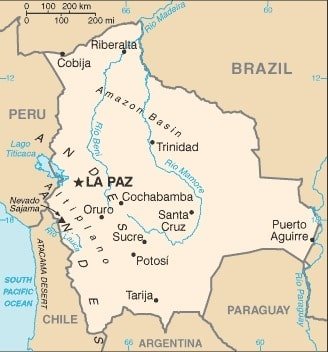
Bolivia, located in the heart of South America, is known for its diverse landscapes, rich cultural heritage, and indigenous traditions. From the Andes Mountains to the Amazon Basin, Bolivia offers an unparalleled mix of natural wonders and cultural experiences.
Language and Communication
- Primary Languages: Spanish, Quechua, Aymara
- English Proficiency: Limited, mainly in tourist areas.
- Helpful Phrases:
- Hola: Hello
- Gracias: Thank you
- ¿Cuánto cuesta?: How much does it cost?
- ¿Dónde está…?: Where is…?
Consider downloading language apps or carrying a phrasebook for easier communication.
Emergency Numbers
- General Emergency: 911
Currency and Money
- Currency Used: Boliviano (BOB)
- Credit Cards: Widely accepted in cities; cash is preferred in rural areas.
- ATMs: Found in cities and towns; ensure your card is enabled for international withdrawals.
- Currency Exchange: Available at airports, banks, and exchange offices.
Electricity and Plugs
- Voltage: 230 V
- Frequency: 50 Hz
- Plug Types: Type A and Type C
- Adapter Needed: Yes, if your devices use a different plug type.
Safety and Health
Safety
- Bolivia is generally safe, but precautions should be taken against pickpocketing and petty theft in crowded areas.
- Avoid isolated areas at night.
- Respect local customs and laws.
Health
- Vaccinations Recommended: Hepatitis A, Typhoid, Yellow Fever (for Amazon regions), and routine vaccinations.
- Altitude Sickness: Common in high-altitude cities like La Paz and Potosí. Carry medications and acclimatize gradually.
- Water: Drink only bottled or boiled water.
Transportation
Public Transport
- Buses: Long-distance buses connect major cities; quality varies widely.
- Minibuses and Collectivos: Affordable options for local travel but may be crowded.
- Cable Cars: Mi Teleférico in La Paz offers scenic and efficient urban transport.
Taxis
- Widely available and inexpensive. Ensure the driver uses a meter or agree on a fare in advance.
Flights
- Domestic flights connect remote regions like the Amazon Basin and Uyuni.
Activities and Attractions
Iconic Sites
- Salar de Uyuni: The world’s largest salt flat, known for its mirror-like reflections during the rainy season.
- Lake Titicaca: The highest navigable lake in the world, home to the Isla del Sol and Isla de la Luna.
- Death Road (Yungas Road): A thrilling cycling route through dramatic landscapes.
- Tiwanaku: Ancient ruins of a pre-Columbian civilization, a UNESCO World Heritage Site.
Cultural Experiences
- Markets: Explore bustling markets like La Paz’s Witches’ Market for unique souvenirs and traditional remedies.
- Festivals: Participate in colorful celebrations like Carnaval de Oruro, a UNESCO-listed cultural event.
- Indigenous Villages: Visit communities to learn about traditional lifestyles and crafts.
Nature and Outdoor Adventures
- Amazon Rainforest: Explore Madidi National Park, rich in biodiversity.
- Andean Treks: Hike trails such as the Cordillera Real or climb Huayna Potosí.
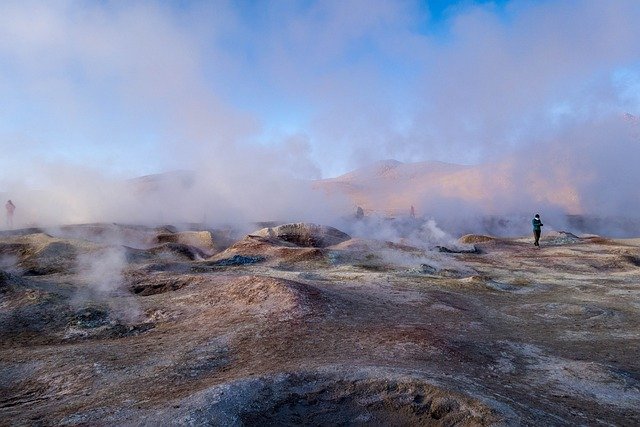
- Eduardo Avaroa National Reserve: Witness geothermal wonders and flamingo-filled lagoons.
Food and Cuisine
Traditional Dishes
- Salteñas: Savory pastries filled with meat, vegetables, and spices.
- Pique a lo Macho: A hearty dish of beef, sausage, potatoes, and vegetables.
- Anticuchos: Grilled meat skewers served with a spicy peanut sauce.
- Api and Buñuelos: A warm drink made from purple corn served with fried pastries.
Dining Tips
- Tipping is appreciated but not mandatory (10% is customary in restaurants).
- Street food is popular but ensure it's freshly prepared.
Shopping and Souvenirs
- Popular Items:
- Alpaca wool clothing (scarves, sweaters, and blankets).
- Handcrafted silver jewelry.
- Andean musical instruments like pan flutes and charangos.
- Traditional textiles and pottery.
- Shopping Spots:
- Witches’ Market in La Paz
- Artisan markets in Sucre and Potosí
Festivals and Events
- Carnaval de Oruro (February/March): Bolivia’s most famous festival, featuring elaborate costumes and traditional dances.
- Semana Santa (Holy Week): Celebrated with processions and religious ceremonies.
- Fiesta del Gran Poder (May/June): A vibrant cultural festival in La Paz.
- Alasitas Fair (January): A unique fair where people buy miniature versions of items they wish to receive in the coming year.
Suggested Itineraries
5-Day Itinerary:
- Day 1: Arrive in La Paz; explore Mi Teleférico and Witches’ Market.
- Day 2: Day trip to Tiwanaku archaeological site.
- Day 3: Fly to Uyuni for a salt flat tour.
- Day 4: Visit Eduardo Avaroa National Reserve.
- Day 5: Return to La Paz; enjoy local cuisine and shopping.
10-Day Itinerary:
- Day 1-2: Explore La Paz and its surroundings.
- Day 3-4: Discover Lake Titicaca and Isla del Sol.
- Day 5-6: Visit Sucre, Bolivia’s cultural capital.
- Day 7-8: Explore Potosí’s silver mines and colonial history.
- Day 9-10: Experience the Salar de Uyuni and nearby attractions.
Best Time to Visit
- Dry Season (May-October): Best for trekking and visiting the salt flats.
- Wet Season (November-April): Ideal for viewing the salt flats’ mirror effect.
- Festivals: Time your visit with major events like Carnaval de Oruro for a cultural immersion.
Connectivity
- Wi-Fi: Available in hotels and urban areas but can be slow.
- SIM Cards: Purchase a local SIM (Entel, Tigo, or Viva) for reliable mobile data.
- Apps to Download:
- Maps.me (offline maps)
- Google Translate
- Local bus and taxi apps
Conclusion
Bolivia offers an authentic South American adventure, blending spectacular natural beauty with rich cultural heritage. From the breathtaking Salar de Uyuni to the mystical Lake Titicaca and vibrant festivals, Bolivia promises unforgettable experiences for every traveler. Embrace the warmth of its people, the flavors of its cuisine, and the wonders of its diverse landscapes.