Africa
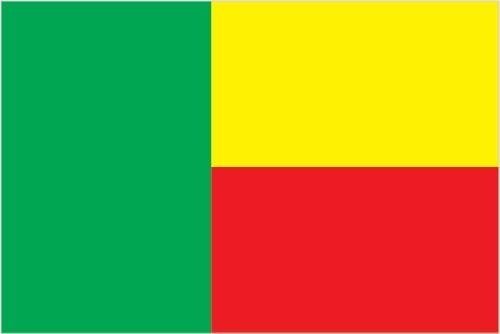
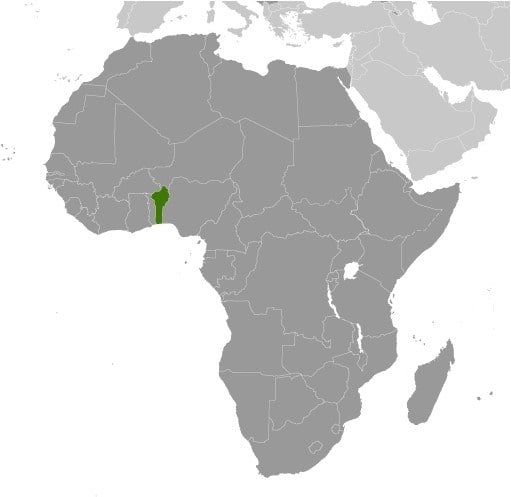
BeninBenin, a captivating West African nation, invites you to explore its rich tapestry of culture and history, where vibrant markets pulse with life and ancient traditions blend seamlessly with modern influences. Discover the enchanting city of Ouidah, which tells the poignant story of the slave trade through its historical monuments and the famous Route des Esclaves, leading you to the serene beaches along the Atlantic coast. Delve into the colorful festivals that celebrate the local Vodun religion and witness the rhythmic beats of music that resonate through its bustling streets. Taste the unique flavors of Beninese cuisine, where every dish is a delicious journey through spices and ingredients that tell tales of the land. Whether you're wandering through the lush landscapes of Pendjari National Park or tracing the footsteps of ancient kingdoms at the Royal Palaces of Abomey, Benin is a treasure trove waiting to be discovered by adventurous travelers seeking connection and authenticity.


Comprehensive Travel Guide to Benin
General Information
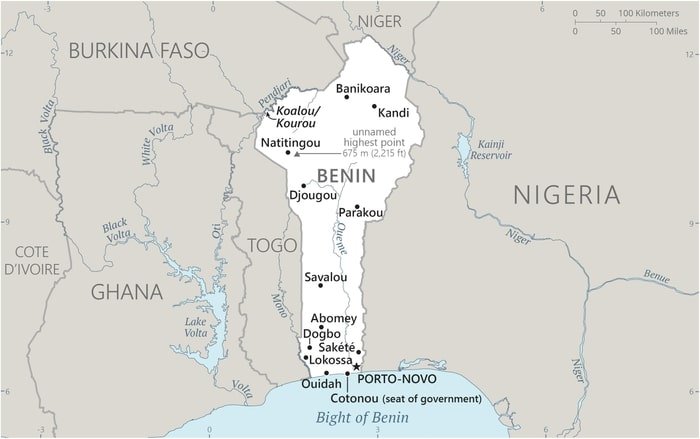
- Capital City: Porto-Novo (official), Cotonou (economic center)
- Population: 14,697,052
- Currency: West African CFA Franc (XOF)
- Time Zone: West Africa Time (WAT), UTC+1
- Official Language: French
- Dialing Code: +229
- Driving Side: Right
Benin, a small yet culturally rich West African country, is known for its historical significance as the cradle of Vodun (Voodoo) and the once-powerful Dahomey Kingdom. With beautiful beaches, vibrant markets, and UNESCO-listed sites, Benin is a captivating destination for travelers seeking a mix of history, culture, and nature.
Language and Communication
- Primary Language: French
- Other Languages: Fon, Yoruba, Bariba, and other local languages.
- Helpful Phrases:
- Hello: Bonjour
- Thank You: Merci
- Excuse Me: Excusez-moi
- Where is…?: Où est…?
While French is widely spoken, learning a few words in local languages like Fon or Yoruba can endear you to the locals.
Emergency Numbers
- Police: 117
- Ambulance: 112
- Fire Services: 118
Currency and Money
- Exchange Rate: 1 USD ≈ 620 XOF (subject to fluctuation)
- Credit Cards: Accepted in major hotels and restaurants in cities but less common in rural areas.
- ATMs: Available in cities like Cotonou and Porto-Novo.
- Tipping: Generally 10% in restaurants and for services.
Electricity and Plugs
- Voltage: 220 V
- Frequency: 50 Hz
- Plug Types: Type C and E
- Adapter Needed: Yes, if your country uses a different plug type.
Safety and Health
- Safety:
- Benin is relatively safe for travelers, but be cautious of petty crime, especially in crowded markets.
- Avoid walking alone at night in unfamiliar areas.
- Health:
- Vaccinations Recommended: Yellow fever (mandatory), Hepatitis A and B, Typhoid, and routine vaccinations.
- Malaria Risk: High; take prophylaxis and use mosquito nets.
- Water: Drink bottled or filtered water only.
Transportation
Public Transport
- Taxis: Shared taxis are a common way to travel between cities. Negotiate fares in advance.
- Moto-taxis (Zémidjans): A cheap and fast way to navigate cities but not always safe.
- Buses: Affordable and reliable for intercity travel.
Driving
- Roads in urban areas are generally decent, but rural roads may be poorly maintained.
- International driving permits are recommended.
Domestic Flights
- Limited domestic flights; most travel is by road.
Activities and Attractions
Historical and Cultural Sites
- Ouidah:
- Explore the Route of Slaves, including the Door of No Return.
- Visit the Python Temple and learn about Vodun traditions.
- Abomey:
- Discover the Royal Palaces of Abomey, a UNESCO World Heritage Site.
- Learn about the history of the Dahomey Kingdom.
- Porto-Novo:
- Visit the Ethnographic Museum and the Grand Mosque.
- Stroll through the Jardin des Plantes et de la Nature.
Nature and Outdoor Adventures
- Pendjari National Park:
- A UNESCO-listed biosphere reserve known for its wildlife, including elephants, lions, and cheetahs.
- Ideal for safari enthusiasts.
- Lake Nokoué and Ganvié:
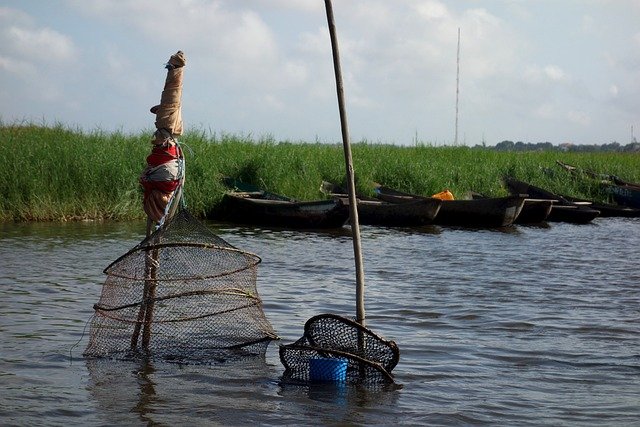
- Explore the stilt village of Ganvié, often called the “Venice of Africa.”
- Enjoy a boat tour to experience the unique lifestyle of the Tofinu people.
- Boukoumbé:
- Trek to the Tata Somba houses, traditional fortress-like homes.
Beaches
- Grand Popo:
- A laid-back coastal town with beautiful beaches and a vibrant arts scene.
- Cotonou Beaches:
- Relax on Fidjrossè Beach and enjoy fresh seafood.
Food and Cuisine
Traditional Dishes
- Amiwo: A flavorful maize dish served with tomato sauce and meat.
- Akpan: Fermented maize or millet dough, often served with spicy sauce.
- Pili-Pili Sauce: A hot pepper sauce commonly served with meals.
- Fufu: A starchy dish made from yam or cassava, served with soups or stews.
- Grilled Fish: Freshly caught and seasoned, a coastal specialty.
Dining Tips
- Street food is popular and generally safe in busy areas.
- Wash hands before meals as many dishes are eaten with hands.
Shopping and Souvenirs
- Popular Items:
- Handwoven textiles and batik cloth.
- Vodun artifacts like masks and statues.
- Locally crafted jewelry and wood carvings.
- Spices and shea butter.
- Shopping Spots:
- Dantokpa Market in Cotonou: One of West Africa’s largest markets.
- Artisanal shops in Ouidah and Abomey.
Festivals and Events
- Vodun Festival (January): Celebrates Vodun culture with music, dance, and rituals, particularly in Ouidah.
- Gelede Festival (Spring): A colorful Yoruba festival honoring women and the Earth.
- National Day (August 1): Independence Day celebrations with parades and cultural events.
Suggested Itineraries
3-Day Itinerary:
- Day 1: Explore Cotonou and Fidjrossè Beach.
- Day 2: Visit Ouidah’s Route of Slaves and the Python Temple.
- Day 3: Discover Ganvié stilt village on Lake Nokoué.
7-Day Itinerary:
- Day 1-2: Cotonou highlights and a day trip to Ganvié.
- Day 3-4: Historical tour of Ouidah and Abomey.
- Day 5-6: Safari adventure in Pendjari National Park.
- Day 7: Relax on the beaches of Grand Popo.
Best Time to Visit
- Dry Season (November to February): Ideal for exploring cities and national parks.
- Rainy Season (May to October): Lush landscapes but travel may be challenging due to heavy rains.
Connectivity
- Wi-Fi: Available in most hotels and cafes in urban areas.
- SIM Cards: Purchase from MTN or Moov for affordable mobile data.
- Apps to Download:
- Google Maps
- Translate
- Bolt or local taxi apps
Conclusion
Benin offers a rich tapestry of cultural heritage, historical landmarks, and natural beauty. Whether you’re exploring the ancient Dahomey palaces, enjoying a safari in Pendjari, or immersing yourself in the mystical world of Vodun in Ouidah, this vibrant country promises an unforgettable journey. Its welcoming people and unique experiences make Benin a must-visit destination for intrepid travelers.