Europe
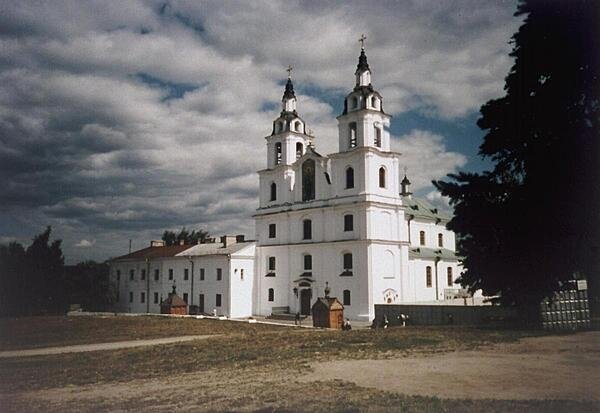
BelarusBelarus, a captivating destination in Eastern Europe, beckons travelers to uncover its stunning landscapes and lively culture, showcasing everything from the unspoiled beauty of its national parks to the historical allure of cities such as Minsk and Brest. Renowned for its abundant forests and tranquil lakes, Belarus is a paradise for outdoor adventurers, while its deep-rooted traditions and welcoming locals foster a friendly atmosphere for those seeking cultural experiences. Stroll through the picturesque countryside, marvel at the exquisite architecture of ancient castles, and indulge in the hearty local cuisine that reflects the essence of this distinctive nation. Whether you’re in search of peace or a glimpse into the past, Belarus offers a remarkable journey just waiting to be explored.
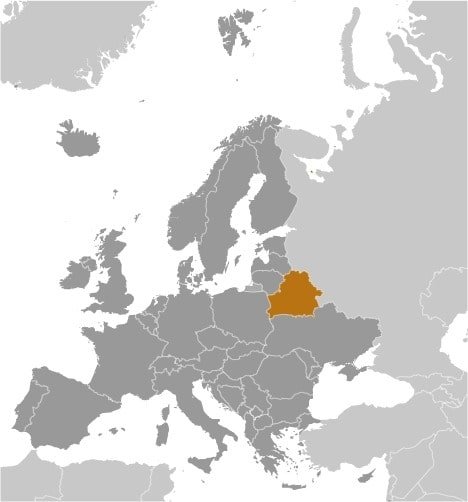

Comprehensive Travel Guide to Belarus
General Information
- Capital City: Minsk
- Population: 9,501,451
- Currency: Belarusian Ruble (BYN)
- Time Zone: Moscow Standard Time (MSK), UTC+3 (No Daylight Saving Time)
- Official Languages: Belarusian and Russian
- Dialing Code: +375
- Driving Side: Right
Belarus, often referred to as "Europe's Last Frontier," is a land of pristine forests, medieval castles, and Soviet-era architecture. Known for its rich history, cultural heritage, and warm hospitality, Belarus offers a unique blend of old-world charm and modern resilience.
Language and Communication
- Primary Languages: Belarusian and Russian
- English Proficiency: Limited, especially outside major cities.
- Helpful Phrases:
- Hello: Pryvitannie (Belarusian), Zdravstvuyte (Russian)
- Thank You: Dzyakuy (Belarusian), Spasibo (Russian)
- Please: Kali laska (Belarusian), Pozhaluysta (Russian)
Tip: Learning a few phrases in Belarusian or Russian can go a long way in bridging communication gaps.
Emergency Numbers
- Police: 102
- Ambulance: 103
- Fire Brigade: 101
Currency and Money
- Exchange Rate: Check local rates, as the Belarusian Ruble is not widely available outside the country.
- Credit Cards: Widely accepted in urban areas, but cash is preferred in rural regions.
- ATMs: Common in cities and towns.
- Tipping: 5-10% is customary in restaurants and for services.
Electricity and Plugs
- Voltage: 220 V
- Frequency: 50 Hz
- Plug Types: Type C and F (European-style plugs)
- Adapter Needed: Yes, for non-compatible devices.
Safety and Health
- Safety:
- Belarus is generally safe for travelers.
- Pickpocketing can occur in crowded areas, so keep your belongings secure.
- Political gatherings should be avoided.
- Health:
- Vaccinations Recommended: Routine vaccinations; Hepatitis A and B are advisable.
- Water: Tap water is generally safe in urban areas but consider bottled water for drinking.
- Healthcare: Modern facilities are available in cities, but rural healthcare is limited.
Transportation
Public Transport
- Metro: The Minsk Metro is efficient, affordable, and easy to navigate.
- Buses and Trolleys: Widely available in cities; tickets can be purchased at kiosks or directly from the driver.
- Trains: An excellent option for intercity travel.
Driving
- Roads are generally in good condition, but rural areas may lack signage.
- International driver’s permits are required.
- Car rentals are available in major cities.
Taxis
- Use official taxi services or apps like Yandex.Taxi to avoid overcharging.
Activities and Attractions
Urban Highlights
- Minsk:
- Stroll along Independence Avenue, a UNESCO World Heritage Site.
- Visit the National Library of Belarus, an architectural marvel.
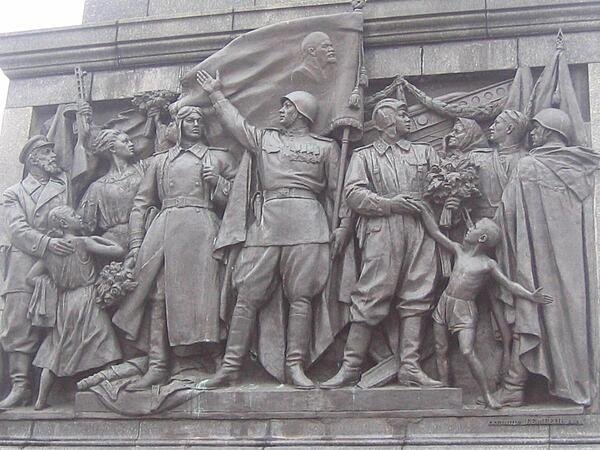
- Explore the Great Patriotic War Museum.
Historical Sites
- Mir Castle: A stunning medieval castle and UNESCO World Heritage Site.
- Nesvizh Castle: Renowned for its Renaissance architecture and picturesque gardens.
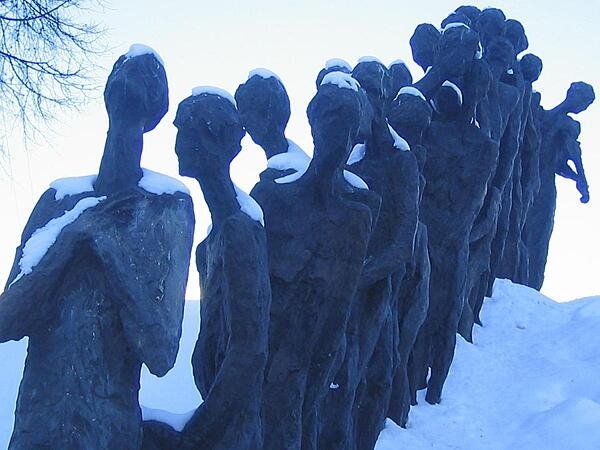
- Khatyn Memorial: A poignant tribute to WWII atrocities.
Nature and Outdoor Adventures
- Białowieża Forest: A UNESCO-listed primeval forest home to European bison.
- Braslav Lakes: A paradise for fishing, boating, and hiking enthusiasts.
- Belovezhskaya Pushcha National Park: Perfect for wildlife spotting and eco-tourism.
Cultural Experiences
- Traditional villages like Dudutki offer insights into Belarusian crafts, cuisine, and folk traditions.
- Visit local markets for authentic Belarusian products like flax, honey, and ceramics.
Food and Cuisine
Traditional Dishes
- Draniki: Potato pancakes, often served with sour cream.
- Machanka: Pork stew, usually accompanied by pancakes or bread.
- Borscht: Beet soup with a Belarusian twist.
- Kvass: A fermented beverage made from rye bread.
Dining Tips
- Local eateries (kafe) offer hearty, traditional meals.
- Tipping is appreciated but not mandatory.
Shopping and Souvenirs
- Popular Items:
- Flax textiles and linen products.
- Traditional wooden crafts.
- Belarusian vodka (horilka).
- Handmade ceramics.
- Shopping Spots:
- Komarovka Market in Minsk for fresh produce and local goods.
- GUM Department Store for Soviet-era nostalgia.
Festivals and Events
- Kupalle (Summer Solstice): A celebration of folklore with dancing, singing, and bonfires.
- Slavianski Bazaar (July): A music and arts festival held in Vitebsk.
- Belarus Independence Day (July 3): A national holiday with parades and fireworks.
Suggested Itineraries
3-Day Itinerary:
- Day 1: Explore Minsk’s historic and cultural landmarks.
- Day 2: Day trip to Mir and Nesvizh Castles.
- Day 3: Visit the Khatyn Memorial and relax in Victory Park.
7-Day Itinerary:
- Day 1-2: Discover Minsk and its surroundings.
- Day 3: Explore Mir Castle and Nesvizh Castle.
- Day 4-5: Adventure in Braslav Lakes or Białowieża Forest.
- Day 6: Visit Vitebsk, the birthplace of artist Marc Chagall.
- Day 7: Relax in a traditional village or spa.
Best Time to Visit
- Spring (April-May): Mild weather and blooming landscapes.
- Summer (June-August): Ideal for outdoor activities and festivals.
- Autumn (September-October): Vibrant foliage and cooler temperatures.
- Winter (November-March): Snowy landscapes and cozy winter activities.
Connectivity
- Wi-Fi: Widely available in urban areas, including cafes and hotels.
- SIM Cards: Providers like MTS and A1 offer prepaid options for tourists.
- Apps to Download:
- Yandex Maps or Google Maps
- Yandex.Taxi
- Belarus Guide
Conclusion
Belarus captivates visitors with its harmonious blend of nature, history, and modernity. From its majestic castles and serene forests to its vibrant cities and welcoming locals, the country offers a memorable experience for all types of travelers. Whether you’re delving into its rich heritage or enjoying its unspoiled landscapes, Belarus is a destination worth exploring.