Australia and Oceania
Baker IslandDiscover the allure of Baker Island, a hidden paradise that whispers the secrets of nature's untouched beauty and captivating history. This uninhabited atoll invites only the most adventurous spirits to tread its sandy shores, offering a rare glimpse into an ecosystem where migratory seabirds soar and vibrant coral reefs teem with life. As you explore the remnants of its past, including the iconic lighthouse from days gone by, let the serene isolation wash over you, providing a perfect escape from the bustle of everyday life. Embrace the opportunity to engage in meaningful research and conservation efforts, creating a lasting impact while connecting with the raw essence of the natural world. Baker Island awaits those who cherish the delicate balance of preservation and exploration, promising an unforgettable journey that transcends the ordinary.



Comprehensive Travel Guide to Baker Island
General Information
- Location: Central Pacific Ocean
- Status: Unincorporated U.S. Territory (Managed as a National Wildlife Refuge)
- Capital City: None (Uninhabited)
- Population: 0 (No permanent inhabitants)
- Currency: United States Dollar (USD)
- Time Zone: UTC -12 (Baker Island Time)
- Official Language: English
- Dialing Code: N/A (No telecommunications infrastructure)
- Driving Side: N/A (No roads or vehicles)
Overview
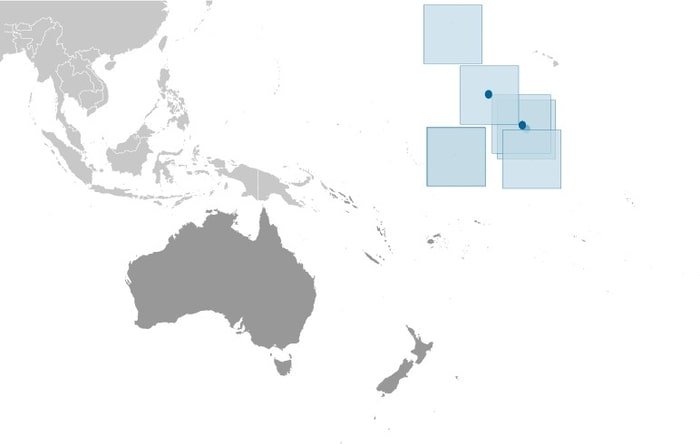
Baker Island is a small, uninhabited coral atoll located in the Central Pacific, approximately halfway between Hawaii and Australia. It is known for its remote location, unique ecological significance, and historical importance, including its use as a U.S. military outpost during World War II. Currently, it is protected as part of the Pacific Remote Islands Marine National Monument and is only accessible to scientific researchers and U.S. Fish and Wildlife Service personnel.
Language and Communication
- Primary Language: English
- Communication: No mobile network, internet, or permanent communication infrastructure.
- Radio Communication: Used by research teams and conservation personnel.
Emergency and Safety Considerations
- Rescue Services: Extremely limited—the nearest inhabited location is thousands of kilometers away.
- Medical Facilities: None—visitors must be completely self-sufficient.
- Harsh Environment: Intense heat, no freshwater sources, and no natural shade make survival challenging.
- Strict Environmental Protections: No fishing, collecting, or altering the ecosystem is allowed under U.S. conservation laws.
Currency and Money
- Currency: United States Dollar (USD)
- Payment Methods: Not applicable—no commercial activity or businesses.
Electricity and Plugs
- Power Supply: None—expeditions bring their own generators or solar power.
- Voltage & Frequency: 120V, 60Hz (U.S. standard) if electricity is used.
- Plug Type: Type A/B (U.S. standard) if generators are used.
Safety and Health
- Extreme Climate: High temperatures, no shade, and lack of freshwater sources make dehydration a serious risk.
- Wildlife Hazards: Seabirds may be aggressive during nesting season.
- Isolation: No rescue services or medical facilities—all visitors must carry full survival kits.
- Environmental Protection Laws: No waste, food imports, or human impact allowed under U.S. conservation rules.
Transportation
- Access: No airports, harbors, or permanent transport infrastructure.
- How to Get There:
- U.S. Government Research Expeditions: Conducted by the U.S. Fish and Wildlife Service.
- Private Boats/Yachts: Requires a special permit from the U.S. Fish and Wildlife Service.
- No Commercial Flights or Ferries.
Shopping & Souvenirs
- None: There are no shops, markets, or commercial establishments.
Festivals & Events
- None: The island is uninhabited and has no cultural or social events.
Activities & Attractions
Historic Significance
- Guano Mining History (19th Century):
- The island was claimed by the U.S. in 1856 under the Guano Islands Act.
- Guano (bird droppings) was mined for fertilizer until the late 1800s.
- World War II Outpost:
- Briefly occupied by the U.S. military for defense purposes.
Wildlife & Natural Wonders
- Seabirds: Home to Boobies, Frigatebirds, Noddies, and Terns.
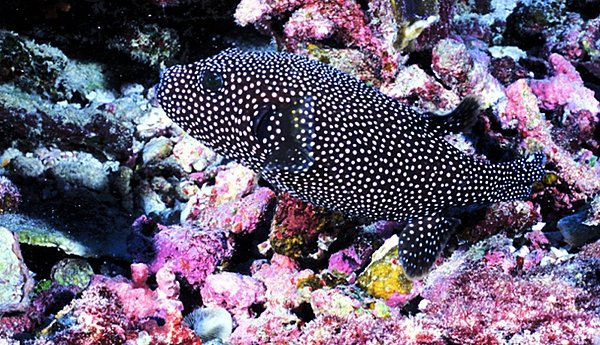
- Marine Life: Pristine coral reefs with Sharks, Sea Turtles, and Reef Fish.
- Flora: Extremely sparse—only low-lying grasses and shrubs due to the dry climate.
Scientific Research & Conservation
- Protected Marine Ecosystem: One of the most pristine coral reef systems in the world.
- Bird Nesting Sites: Key breeding grounds for migratory seabirds.
- Climate and Ocean Studies: Used for monitoring climate change effects on coral reefs and sea levels.
Suggested Itineraries
5-Day Scientific Expedition Itinerary (For Authorized Researchers Only)
Day 1: Arrival & Camp Setup
- Arrive via research vessel.
- Establish a temporary base on the island.
Day 2: Wildlife Observation & Habitat Studies
- Monitor seabird nesting sites.
- Conduct surveys of marine life and coral reefs.
Day 3: Historical Documentation
- Explore remains of guano mining operations.
- Document World War II military relics.
Day 4: Climate & Environmental Research
- Study the impact of rising sea levels on the island’s ecosystem.
- Document coastal erosion and habitat changes.
Day 5: Departure & Conservation Compliance
- Clean all equipment to prevent ecological contamination.
- Return to Hawaii or other research stations via ship.
10-Day Advanced Research Mission (For Marine Biologists & Conservationists)
Day 1-2: Arrival & Base Setup
- Land at Baker Island via ship.
- Establish temporary research stations.
Day 3-4: Bird Population & Nesting Studies
- Observe migratory seabirds and their nesting behaviors.
- Collect data on species population trends.
Day 5-6: Marine Biology & Coral Reef Studies
- Conduct underwater surveys on reef health.
- Study the impact of climate change on marine biodiversity.
Day 7-8: Coastal Erosion & Climate Impact Research
- Analyze coastal erosion trends and rising sea levels.
- Install temporary climate monitoring devices.
Day 9-10: Pack Up & Departure
- Document findings and data collection.
- Ensure all waste is removed to protect the ecosystem.
Best Time to Visit
- Limited to Research Expeditions (Weather Dependent, Typically May – September)
- Lower storm risk in the Pacific Ocean.
- Milder temperatures (25°C - 30°C / 77°F - 86°F).
Connectivity
- Wi-Fi & Mobile Networks: None.
- Satellite Communication: Required for emergency contact.
- Radio Communication: Used for scientific expeditions.
Travel Tips
Government Permits Required: Only authorized U.S. research expeditions can visit.
Extreme Survival Gear: Shade, hydration, and sun protection are essential.
Bring All Supplies: Food, water, medical gear, and shelter must be self-supplied.
Respect Conservation Rules: Do not disturb wildlife, remove waste, or bring foreign plants/animals.
Prepare for No Rescue Services: Nearest help is thousands of kilometers away.
Conclusion
Baker Island is one of the most remote and untouched places on Earth. As a strictly protected wildlife refuge, it offers a unique opportunity for scientific research but is off-limits to tourism. The island’s guano mining history and military significance add historical value, while its pristine marine ecosystem makes it an essential site for conservation. Only qualified researchers, conservationists, and government officials are allowed to visit under strict regulations.