Comprehensive Travel Guide to Argentina
General Information
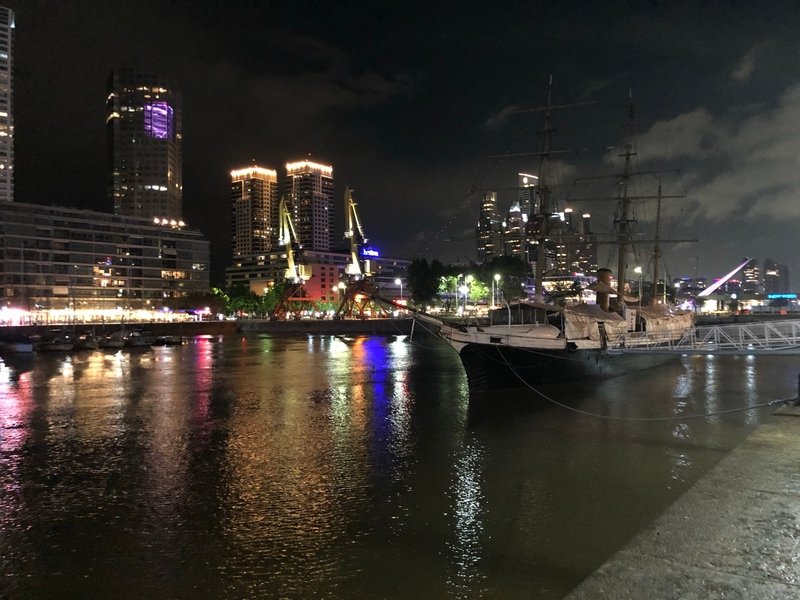
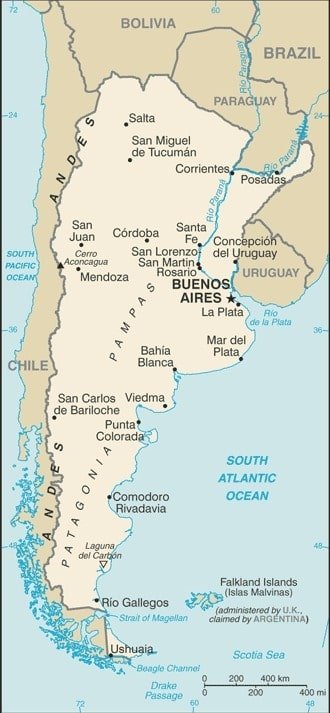
- Capital City: Buenos Aires
- Population: 46,994,384
- Currency: Argentine Peso (ARS)
- Time Zone: Argentina Time (ART), UTC-3 (No Daylight Saving Time)
- Official Language: Spanish
- Dialing Code: +54
- Driving Side: Right
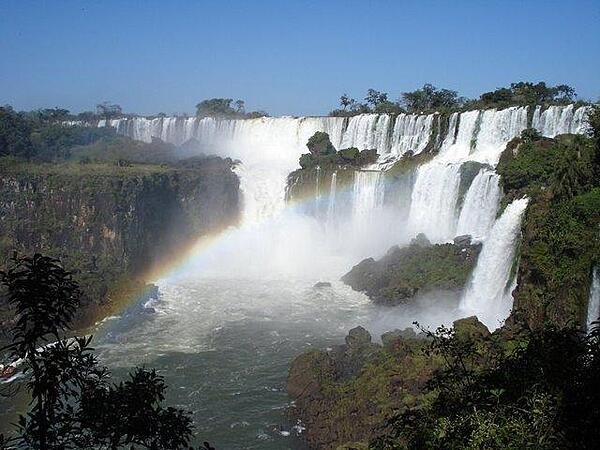
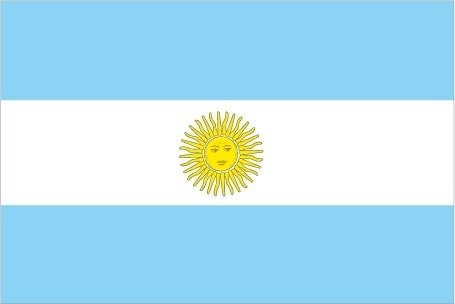
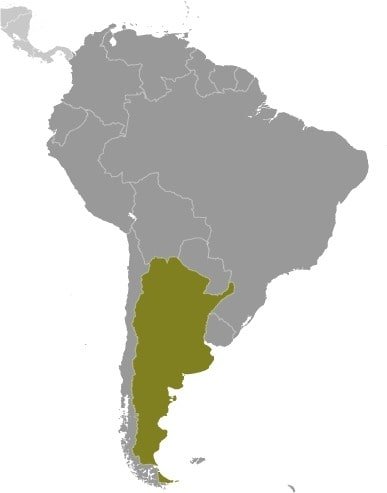
Argentina, the second-largest country in South America, offers a diverse mix of natural wonders, vibrant culture, and world-class cuisine. From the thundering Iguazu Falls in the north to the glacial landscapes of Patagonia in the south, Argentina is a destination for all kinds of travelers.
Language and Communication
- Primary Language: Spanish, Italian, English, German, French, Indigenous (Mapudungun, Quechua)
- English Proficiency: Common in urban areas and tourist hotspots.
- Helpful Phrases:
- Hello: "Hola"
- Thank you: "Gracias"
- How much does it cost?: "¿Cuánto cuesta?"
- Where is...?: "¿Dónde está...?"
Downloading a translation app or carrying a small phrasebook can be helpful for interactions in rural areas.
Emergency Numbers
- Police: 101
- Fire: 100
- Ambulance: 107
- General Emergency: 911
Currency and Money
- Credit Cards: Widely accepted in cities, less so in rural areas.
- ATMs: Available throughout the country but may have withdrawal limits.
- Currency Exchange: Best rates are found at official exchange offices, known as “casas de cambio.”
- Tips: Keep cash on hand, as smaller establishments may not accept cards.
Electricity and Plugs
- Voltage: 220 V
- Frequency: 50 Hz
- Plug Types: Type C and Type I
- Adapter Needed: Yes, if your devices use a different plug type.
Safety and Health
Safety
- Crime: Exercise caution in crowded areas, as pickpocketing can occur.
- Scams: Be wary of counterfeit money when exchanging cash.
- Natural Hazards: Earthquakes are rare but possible, especially in western regions.
Health
- Healthcare: Public hospitals provide free care, but private facilities offer higher quality services.
- Vaccinations: Routine vaccinations suffice; yellow fever vaccination is recommended for the Iguazu region.
- Water: Tap water is safe in major cities, but bottled water is preferred in rural areas.
Transportation
Getting There
- By Air: Ministro Pistarini International Airport (Ezeiza) in Buenos Aires is the main gateway.
- By Land: Buses connect Argentina with neighboring countries like Chile, Brazil, and Uruguay.
Getting Around
- Domestic Flights: A quick way to cover large distances.
- Buses: Long-distance buses (colectivos) are comfortable and reliable.
- Trains: Limited service, mostly in tourist areas.
- Car Rentals: Ideal for exploring remote regions like Patagonia.
Activities and Attractions
Natural Wonders
- Iguazu Falls: A UNESCO World Heritage site straddling the border with Brazil.
- Perito Moreno Glacier: A spectacular glacier in Los Glaciares National Park.
- Andes Mountains: Perfect for trekking, climbing, and skiing.
Cultural Highlights
- Buenos Aires:
- Explore historic neighborhoods like San Telmo and La Boca.
- Attend a tango show or take a dance lesson.
- Visit iconic landmarks like the Casa Rosada and Recoleta Cemetery.
- Mendoza:
- Wine tasting tours in Argentina’s premier wine region.
- Salta:
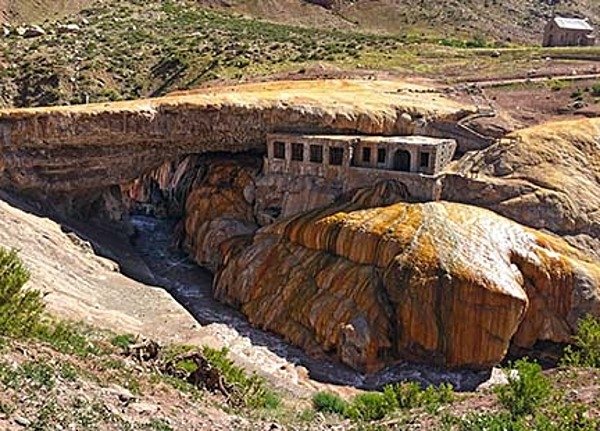
- Experience colonial architecture and unique desert landscapes.
Outdoor Adventures
- Patagonia:
- Trekking in Torres del Paine and Fitz Roy ranges.
- Whale watching in Puerto Madryn.
- Lake District: Enjoy hiking, kayaking, and scenic drives around Bariloche.
Food and Cuisine
Traditional Dishes
- Asado: Grilled meat, a cornerstone of Argentine cuisine.
- Empanadas: Pastry filled with meat, cheese, or vegetables.
- Milanesa: Breaded and fried meat cutlets.
- Chimichurri: A flavorful sauce made with parsley, garlic, and vinegar.
Drinks
- Malbec Wine: Argentina’s signature red wine, especially from Mendoza.
- Mate: A traditional herbal tea shared socially.
Dining Tips
- Tipping: 10% is standard in restaurants.
- Late Dining: Dinner often starts around 9 PM.
Shopping and Souvenirs
- Leather Goods: High-quality jackets, shoes, and bags.
- Wine: Take home bottles of Malbec or Torrontés.
- Handicrafts: Ponchos, mate gourds, and silver jewelry.
Festivals and Events
- Carnaval (February-March): Celebrations with music, dancing, and parades.
- Feria de Mataderos (Sundays): A cultural fair in Buenos Aires featuring folk music and crafts.
- Vendimia Festival (March): A wine harvest festival in Mendoza.
- Gaucho Festival (November): Celebrating Argentina’s cowboy culture.
Suggested Itineraries
3-Day Itinerary
- Day 1: Explore Buenos Aires (Recoleta, San Telmo, La Boca).
- Day 2: Day trip to Tigre Delta or Colonia del Sacramento in Uruguay.
- Day 3: Tango lessons and a show in the evening.
7-Day Itinerary
- Day 1-2: Buenos Aires highlights.
- Day 3-4: Visit Mendoza for wine tasting.
- Day 5-6: Explore Patagonia, including El Calafate and Perito Moreno Glacier.
- Day 7: Fly to Iguazu Falls for a full day of exploration.
Best Time to Visit
- Spring (September-November): Mild weather and blooming landscapes.
- Summer (December-February): Best for Patagonia and outdoor activities.
- Autumn (March-May): Perfect for wine tours in Mendoza.
- Winter (June-August): Ideal for skiing in Bariloche.
Connectivity
- Wi-Fi: Widely available in cities.
- SIM Cards: Purchase prepaid cards from Claro, Movistar, or Personal.
- Apps to Download:
- Moovit (public transportation)
- Maps.me (offline maps)
- XE Currency
Conclusion
Argentina is a country of contrasts, offering everything from cosmopolitan city life to rugged natural landscapes. Whether you’re savoring a perfectly cooked steak, trekking through breathtaking mountains, or exploring the tango culture of Buenos Aires, Argentina promises a rich and unforgettable experience.