Europe
AlbaniaNestled at the crossroads of tradition and modernity, Albania beckons with its captivating landscapes and rich cultural tapestry, inviting adventurous souls to explore its hidden gems. From the stunning beaches of the Albanian Riviera to the rugged peaks of the Albanian Alps, every corner of this enchanting country offers a new experience, steeped in history and infused with warmth from its welcoming locals. Wander through the ancient streets of Berat, a UNESCO World Heritage site, where Ottoman architecture meets vibrant street life, or savor the flavors of authentic Albanian cuisine that tells a story of its Mediterranean influences. As you journey through Albania, revel in the opportunity to uncover unspoiled nature and discover a land where the past harmoniously intertwines with the present, making it a perfect addition to any traveler’s itinerary.


Comprehensive Travel Guide to Albania
General Information
- Capital City: Tirana
- Population: 3,107,100 (2024 est.)
- Currency: Albanian Lek (ALL)
- Time Zone: Central European Time (CET), UTC+1 (Daylight Saving Time: UTC+2)
- Official Language: Albanian
- Dialing Code: +355
- Driving Side: Right
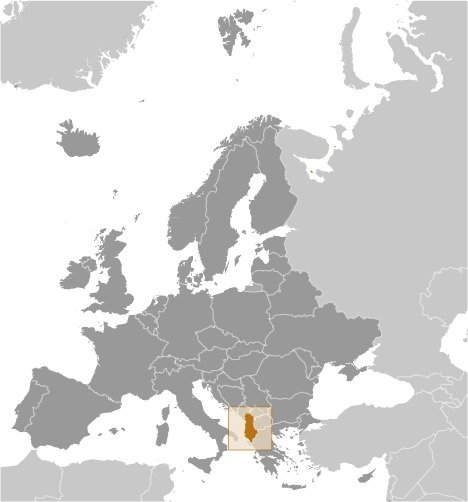
Albania, located in Southeastern Europe on the Balkan Peninsula, is a hidden gem filled with unspoiled beaches, majestic mountains, and a rich cultural history. Known for its hospitality, vibrant traditions, and delicious cuisine, Albania offers a unique and budget-friendly travel experience.
Administrative divisions
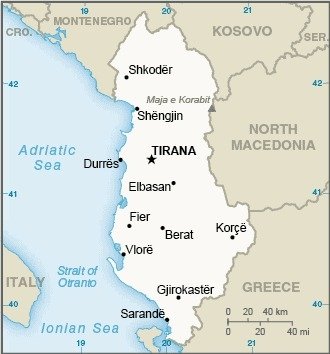
12 counties (qarqe, singular - qark); Berat, Diber, Durres, Elbasan, Fier, Gjirokaster, Korce, Kukes, Lezhe, Shkoder, Tirane (Tirana), Vlore
Language and Communication
- Primary Language: Albanian
- English Proficiency: Widely spoken in urban areas and by younger generations.
- Helpful Phrases in Albanian:
- Hello: "Përshëndetje"
- Thank you: "Faleminderit"
- Please: "Ju lutem"
- Where is…?: "Ku është...?"
Translation apps like Google Translate can be helpful when exploring rural areas.
Emergency Numbers
- General Emergency: 112
- Police: 129
- Fire Service: 128
- Ambulance: 127
Currency and Money
- Currency Used: Albanian Lek (ALL).
- Credit Cards: Accepted in most hotels, restaurants, and shops in cities, but cash is preferred in rural areas.
- ATMs: Widely available in urban areas.
- Currency Exchange: Offered at banks, exchange offices, and larger hotels.
It’s a good idea to carry cash when traveling to smaller towns or villages.
Electricity and Plugs
- Voltage: 230 V
- Frequency: 50 Hz
- Plug Types: Type C and F (European-style plugs).
- Adapter Needed: Yes, if your country uses a different plug type.


Safety and Health
Safety
- Crime: Generally low. Petty theft may occur in tourist areas; remain vigilant.
- Natural Hazards: Occasional earthquakes; follow local advice if one occurs.
Health
- Healthcare: Adequate in cities, but facilities in rural areas may be limited.
- Vaccinations: Routine vaccinations are sufficient.
- Water: Tap water is generally safe in cities but bottled water is recommended for drinking.
Transportation
Public Transport
- Buses and Minibuses (Furgons): Affordable and commonly used to connect cities and towns.
- Taxis: Available in urban areas; negotiate fares in advance.
- Trains: Limited service and not the most efficient means of travel.
Driving
- Roads are improving but can be challenging in rural areas. International driving permits are recommended. Renting a car is ideal for exploring remote regions and coastal areas.
Activities and Attractions
Urban Highlights
- Tirana:
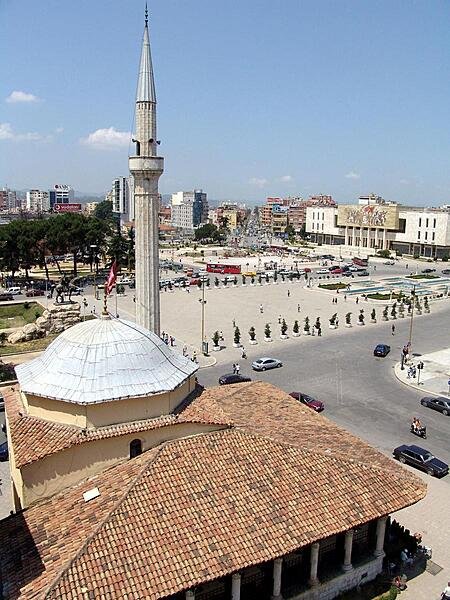
- Visit Skanderbeg Square, the heart of the city.
- Explore the National History Museum and Bunk’Art museums.
- Enjoy the vibrant nightlife and local cafes in the Blloku district.
- Berat: Known as the “City of a Thousand Windows,” it is a UNESCO World Heritage Site with Ottoman-era architecture.
- Gjirokastër: A well-preserved Ottoman town featuring a castle and traditional stone houses.
Nature and Outdoor Adventures
- Albanian Riviera: Stunning beaches like Dhërmi, Jale, and Ksamil with crystal-clear waters.
- Lake Ohrid: A serene UNESCO-listed lake on the border with North Macedonia.
- Valbona Valley National Park: A haven for hikers and nature lovers in the Albanian Alps.
- Blue Eye (Syri i Kaltër): A mesmerizing natural spring with vibrant blue waters.
Cultural Sites
- Butrint: A UNESCO World Heritage Site featuring ancient ruins from Greek, Roman, and Venetian eras.
- Krujë Castle: A historic site tied to Albania’s national hero, Skanderbeg.
- Apollonia: An archaeological site showcasing the remains of an ancient Greek city.
Food and Cuisine
Traditional Dishes
- Byrek: A flaky pastry filled with cheese, spinach, or meat.
- Tavë Kosi: Baked lamb and rice with yogurt sauce.
- Fërgesë: A hearty dish made with peppers, tomatoes, and cottage cheese.
- Baklava: A sweet layered pastry with nuts and honey syrup.
Dining Tips
- Tipping is appreciated but not obligatory (5-10% is common).
- Many restaurants use fresh, locally sourced ingredients.
Shopping and Souvenirs
- Handwoven Rugs: Traditional Albanian rugs make for unique souvenirs.
- Olive Oil: Locally produced and of high quality.
- Filigree Jewelry: Intricate handmade silver jewelry.
- Raki: A strong local spirit made from grapes or plums.
Local markets and artisan shops are great places to find authentic items.
Festivals and Events
- Independence Day (November 28): Celebrated nationwide with parades and cultural performances.
- Beer Festival (August): Held in Korçë, showcasing local and international beers.
- Gjirokastër National Folklore Festival: A celebration of Albanian traditional music and dance.
Suggested Itineraries
3-Day Itinerary
- Day 1: Explore Tirana, including Skanderbeg Square and Bunk’Art.
- Day 2: Day trip to Krujë Castle and Dajti Mountain for hiking or a cable car ride.
- Day 3: Visit Berat and its historical landmarks.
7-Day Itinerary
- Day 1-2: Explore Tirana and Krujë.
- Day 3-4: Travel to Berat and Gjirokastër.
- Day 5-6: Relax at the Albanian Riviera, visiting Ksamil and Dhërmi.
- Day 7: Visit Butrint and the Blue Eye before returning to Tirana.
Best Time to Visit
- Spring (April-June): Mild weather and blooming landscapes.
- Summer (July-September): Perfect for beach vacations and festivals.
- Autumn (October-November): Cooler temperatures and fewer tourists.
Connectivity
- Wi-Fi: Widely available in hotels, cafes, and restaurants.
- SIM Cards: Purchase prepaid SIM cards from Vodafone, Telekom, or One for affordable mobile data.
- Apps to Download:
- Google Maps for navigation.
- Gjirafa for local bus routes.
Conclusion
Albania’s rich history, stunning landscapes, and warm hospitality make it a standout destination in Europe. From exploring UNESCO-listed sites to relaxing on the pristine beaches of the Albanian Riviera, there’s something for every traveler. Whether you're drawn by the vibrant culture, delicious cuisine, or adventurous activities, Albania promises a memorable experience.