South Asia
AfghanistanNestled in the heart of South Asia, Afghanistan offers a rich tapestry of culture, history, and breathtaking landscapes waiting to be explored. From the rugged mountains of the Hindu Kush to the vibrant bazaars of Kabul, every corner tells a story that resonates with resilience and beauty. Embrace the warmth of its people, indulge in the flavors of traditional cuisine, and uncover the ancient traditions that have shaped this remarkable land. At Idyllic Travel, we invite you to discover Afghanistan’s hidden gems, where adventure and inspiration await women travelers ready to step off the beaten path and connect with an unforgettable journey.



Comprehensive Travel Guide to Afghanistan
General Information
- Capital City: Kabul
- Population: 40,121,552
- Currency: Afghan Afghani (AFN)
- Time Zone: Afghanistan Time (AFT), UTC+4:30
- Official Languages: Pashto and Dari (Persian)
- Dialing Code: +93
- Driving Side: Right
Afghanistan, located at the crossroads of Central and South Asia, is a country with a rich history and diverse cultural heritage. Known for its stunning mountain ranges, ancient cities, and warm hospitality, Afghanistan has been a center of trade and civilization for millennia.
Administrative divisions
34 provinces (welayat, singular - welayat); Badakhshan, Badghis, Baghlan, Balkh, Bamyan, Daykundi, Farah, Faryab, Ghazni, Ghor, Helmand, Herat, Jowzjan, Kabul, Kandahar, Kapisa, Khost, Kunar, Kunduz, Laghman, Logar, Nangarhar, Nimroz, Nuristan, Paktika, Paktiya, Panjshir, Parwan, Samangan, Sar-e Pul, Takhar, Uruzgan, Wardak, Zabul
Language and Communication
- Primary Languages: Pashto and Dari (Persian) are the official languages.
- English Proficiency: Limited, though some urban areas and business sectors have English speakers.
- Helpful Phrases:
- Hello: "Salam" (Pashto/Dari)
- Thank you: "Tashakor" (Dari) / "Manana" (Pashto)
- How are you?: "Chetor hasti?" (Dari) / "Sanga yee?" (Pashto)
- Goodbye: "Khuda Hafiz"
Learning basic phrases in Dari or Pashto can help build rapport with locals.
Emergency Numbers
- Police: 119
- Ambulance: 112
- Fire Services: 119
Currency and Money
- Currency Used: Afghan Afghani (AFN)
- Credit Cards: Rarely accepted; carry cash for most transactions.
- ATMs: Limited to major cities like Kabul, though they may not always be functional.
- Currency Exchange: Available at airports and urban centers.
It’s advisable to carry small denominations of cash for easier transactions.
Electricity and Plugs
- Voltage: 220 V
- Frequency: 50 Hz
- Plug Types: Type C and F
- Adapter Needed: Yes, if your country uses a different plug type.


Safety and Health
Safety
- Security Concerns: Afghanistan remains a high-risk destination due to ongoing political instability and conflict. Travel is strongly discouraged unless absolutely necessary.
- Restricted Areas: Many regions, including rural and border areas, are unsafe for travel.
- Local Guidance: Always consult local authorities or embassies for the latest travel advisories.
Health
- Healthcare: Basic healthcare facilities are limited; seek medical attention in larger cities like Kabul.
- Vaccinations: Recommended vaccinations include Hepatitis A, Hepatitis B, Typhoid, and Rabies. Yellow Fever vaccination is required if coming from an endemic area.
- Water: Drink only bottled or boiled water; avoid tap water.
Travel insurance with evacuation coverage is essential.
Transportation
- Domestic Flights: Limited options connecting Kabul with major cities like Herat, Mazar-i-Sharif, and Kandahar.
- Roads: Roads are often in poor condition, and traveling by land may not be safe.
- Public Transport: Shared taxis and minibuses are common but may not be safe or comfortable.
- Private Transport: Hiring a local driver is recommended for safe travel within cities.
Activities and Attractions
Cultural and Historical Sites
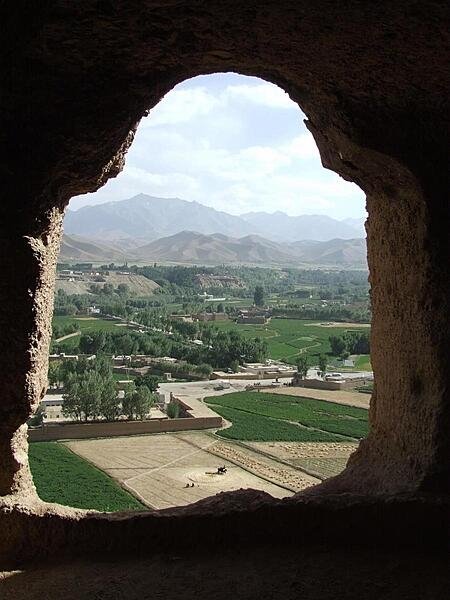
- Bamiyan Valley: Known for the Buddha niches and stunning mountain landscapes.
- Herat: Explore the Herat Citadel and the Great Mosque, a masterpiece of Islamic architecture.
- Mazar-i-Sharif: Famous for the Blue Mosque, an important religious and cultural landmark.
- Kabul Museum: Showcases artifacts from Afghanistan’s rich history.
Natural Wonders
- Band-e-Amir National Park: Afghanistan’s first national park, featuring stunning blue lakes surrounded by rugged cliffs.
- Hindu Kush Mountains: Offers breathtaking views and opportunities for trekking in safer areas.
- Panjshir Valley: Known for its picturesque scenery and historical significance.
Food and Cuisine
Traditional Dishes
- Kabuli Pulao: A rice dish with lamb, raisins, and carrots.
- Mantu: Steamed dumplings filled with spiced meat and topped with yogurt.
- Ashak: Dumplings filled with leeks and served with tomato sauce.
- Kebab: Grilled meat skewers, often served with naan bread.
- Bolani: Stuffed flatbread with potato, spinach, or pumpkin fillings.
Dining Tips
- Hospitality is a significant part of Afghan culture; meals are often shared communally.
- Avoid eating with your left hand, as it is considered impolite.
- Alcohol is prohibited in most places.
Shopping and Souvenirs
- Carpets and Rugs: Handwoven Afghan carpets are renowned worldwide.
- Lapis Lazuli: Semi-precious stones used in jewelry and decorations.
- Traditional Clothing: Embroidered garments like chapan and pattu.
- Copperware: Handmade pots, pans, and decorative items.
Markets in Kabul and Herat offer a wide range of local handicrafts and souvenirs.
Festivals and Events
- Nowruz (March): Persian New Year celebrated with food, music, and community gatherings.
- Eid al-Fitr and Eid al-Adha: Major Islamic holidays marked by prayer, feasts, and family visits.
- Independence Day (August 19): Celebrates Afghanistan’s independence from British influence in 1919.
Suggested Itineraries
3-Day Itinerary
Day 1: Explore Kabul’s historical sites, including Babur’s Gardens and the National Museum.
Day 2: Visit the Panjshir Valley for scenic views and a cultural experience.
Day 3: Travel to the Bamiyan Valley to see the Buddha niches and surrounding landscapes.
7-Day Itinerary
Day 1-2: Discover Kabul and its cultural landmarks.
Day 3-4: Visit Herat for its citadel and Great Mosque.
Day 5: Explore Mazar-i-Sharif and the Blue Mosque.
Day 6-7: Spend time in Band-e-Amir National Park and the Bamiyan Valley.
Best Time to Visit
- Spring (March-May): Pleasant weather and blooming landscapes.
- Autumn (September-November): Cooler temperatures and clear skies.
- Avoid Summer and Winter: Summers can be scorching, and winters in the mountains are harsh.
Connectivity
- Wi-Fi: Limited availability in urban centers and hotels.
- SIM Cards: Purchase from local providers like Roshan or MTN for mobile data.
- Apps to Download:
- Google Translate
- Maps.me (offline maps)
- Local news apps for real-time updates
Conclusion
Afghanistan’s allure lies in its profound history, diverse culture, and breathtaking landscapes. While it remains a challenging destination due to security concerns, for those who venture, it offers a deeply enriching experience. From the majestic Hindu Kush mountains to ancient cities like Herat and Mazar-i-Sharif, Afghanistan is a land of untapped beauty and heritage.